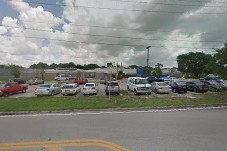
Broward Juvenile Detention Center
County Jail | Broward County — Florida | Florida Department of Juvenile Justice
Broward Juvenile Detention Center is a medium-security youth detention facility located at 222 NW 22nd Avenue in Fort Lauderdale, Broward County, Florida. Operated by the Florida Department of Corrections and overseen by Superintendent Jonathan Hackley, the facility has a capacity of 102 beds and houses male juveniles. The center serves as a secure detention environment for youth awaiting court proceedings or serving short-term commitments in Florida's juvenile justice system.
Families seeking information about detained youth can conduct inmate searches through the facility, learn about visitation procedures, deposit funds for commissary accounts, and access arrest records. Understanding the specific rules and procedures at this Fort Lauderdale facility helps families maintain meaningful contact with their loved ones during detention.
Broward Juvenile Detention Center serves as one of South Florida's primary secure detention facilities for male youth in the state's most populous coastal region. The facility's location in Fort Lauderdale positions it to serve the extensive Broward County area, which has distinct demographic and social service needs compared to other Florida counties. With its 102-bed capacity, the center operates as a medium-security environment specifically designed for juvenile offenders, reflecting Florida's approach to separating youth from adult correctional populations while maintaining secure custody for those awaiting adjudication or serving determinate sentences in the state's juvenile justice system.
The facility houses male juveniles ranging from pre-adjudication detainees awaiting court hearings to adjudicated youth serving commitment sentences. The population typically includes juveniles charged with or convicted of offenses ranging from misdemeanors to serious felonies, including property crimes, drug offenses, assault, and other criminal violations. Because Broward County is Florida's second-most populous county, the facility receives youth from diverse backgrounds throughout the Fort Lauderdale metropolitan area. The classification system separates residents based on age, offense severity, behavioral history, and security needs. Special attention is given to vulnerable populations, including first-time offenders, youth with mental health needs, and those requiring protective custody due to safety concerns within the general population.
Youth at Broward Juvenile Detention Center are housed in dormitory-style or individual cell configurations depending on their classification level and behavioral status. The facility provides three daily meals that meet nutritional standards established for juvenile populations by state regulations. Residents have access to indoor and outdoor recreation time, which includes physical education activities and structured programming. Medical services are available on-site, with healthcare staff providing routine examinations, sick call, and medication management for chronic conditions. Mental health services include counseling, crisis intervention, and treatment for youth with diagnosed behavioral health disorders. Educational services continue during detention to comply with Florida's mandatory education requirements for minors. The facility maintains a formal grievance process allowing residents to report concerns about their treatment, living conditions, or facility operations to administrative staff and outside oversight agencies.
Broward Juvenile Detention Center provides educational programming to ensure detained youth continue their academic progress, including classroom instruction aligned with Florida's educational standards and opportunities to work toward grade-level advancement or high school equivalency credentials. Vocational awareness programs introduce residents to potential career paths and basic job readiness skills. Substance abuse education addresses addiction issues among youth with drug or alcohol involvement. Counseling services include individual and group therapy sessions focusing on anger management, decision-making skills, and behavioral modification. Religious services and faith-based programming are available on a voluntary basis. Re-entry planning begins during detention, connecting youth and families with community resources, educational placements, and support services to reduce recidivism upon release from the facility.
Youth detained at Broward Juvenile Detention Center participate in various work assignments as part of their daily structure and rehabilitation. Inside jobs include facility maintenance, food service assistance, laundry operations, and janitorial duties, which teach responsibility and workplace expectations. These assignments help maintain facility operations while providing residents with practical skills and structured activity. Work participation is often linked to the facility's behavior management system, with cooperative youth earning privileges and positive recognition. Unlike adult facilities, juvenile detention centers typically do not operate extensive prison industries programs, focusing instead on education and age-appropriate skill development that prepares youth for successful community reintegration.
While the exact founding date of Broward Juvenile Detention Center is not documented in available public records, the facility has served Fort Lauderdale and Broward County for years as part of Florida's juvenile justice infrastructure. The center was established to meet the need for secure detention capacity in one of Florida's largest metropolitan areas, where population growth and juvenile crime patterns necessitated dedicated youth detention resources separate from adult jails. Currently under the superintendency of Jonathan Hackley, the facility continues fulfilling its role as a medium-security detention center with a 102-bed capacity. The center operates within Florida's evolving juvenile justice framework, which increasingly emphasizes rehabilitation, education, and community-based alternatives while maintaining secure custody for youth who present public safety concerns or flight risks during court proceedings.
Visitation at Broward Juvenile Detention Center allows families to maintain contact with detained youth according to facility-specific schedules and procedures. Visitors must present valid government-issued photo identification and typically undergo a background check and approval process before their first visit. The facility enforces a dress code prohibiting revealing clothing, gang-related attire, and items that could pose security concerns. Visitation may be conducted in-person through contact or non-contact formats depending on the resident's classification and behavior status. Families should expect to pass through security screening, including metal detectors. Scheduling procedures and visiting hours vary, so families are strongly encouraged to call the facility in advance to confirm current visitation policies, obtain approval, and schedule appointments.
Mail sent to youth at Broward Juvenile Detention Center should be addressed with the resident's full name and identification number, followed by the facility address at 222 NW 22nd Avenue, Fort Lauderdale, FL 33311. All incoming mail is subject to inspection for contraband and prohibited materials. Books and publications typically must be sent directly from approved vendors or publishers rather than individuals. The facility may offer telephone services through prepaid accounts that families can fund, allowing residents to make outgoing calls during designated hours. Some Florida juvenile facilities provide electronic messaging or email systems, though availability varies. Families should contact the facility directly to confirm current communication options, funding procedures, and any restrictions on correspondence content or materials.
Sponsored and Powered by our Partner TruthFinder
Quick Facts
Should I Be Concerned? — Family Guide
Broward Juvenile Detention Center maintains a Medium security level with zero reported staff assaults, indicating a relatively controlled environment. As a juvenile facility, it emphasizes rehabilitation and education alongside secure custody. Visitors should expect standard security procedures including identification verification and security screening; contact the facility in advance to confirm current visiting policies and any restrictions related to juvenile protection guidelines.
Neighborhood & Getting There
Located in Fort Lauderdale, Broward County's urban core, the facility sits in a developed area with proximity to downtown and major highways. The site is approximately 25 miles north of Miami and accessible via I-95. Hotels and services cluster along major corridors including Las Olas Boulevard and Federal Highway. The neighborhood features mixed commercial and institutional properties typical of urban Broward County, with reasonable highway access for visitors traveling from across South Florida.