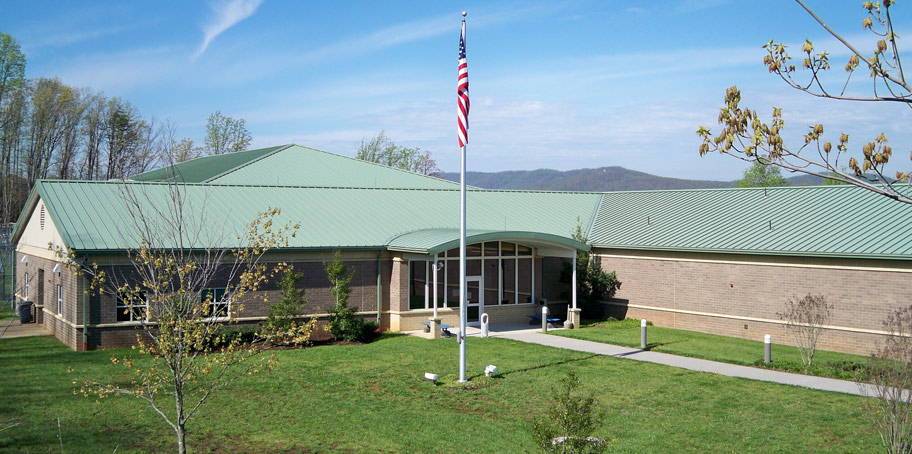
Blue Ridge VA Juvenile Detention
County Jail | Albemarle County — Virginia | BRJD
Blue Ridge VA Juvenile Detention is located at 195 Peregory Lane in Charlottesville, Albemarle County, Virginia. Established in 2002, this minimum security facility operates under the Virginia Department of Corrections and serves both male and female juveniles. Under the leadership of Superintendent Cathy Roessler, MSW, the facility has a capacity of 40 beds and provides detention services for youth in the Blue Ridge region. The facility emphasizes rehabilitation and education for young people in its care.
Families seeking to locate a juvenile at Blue Ridge can search for information about their loved one's status. The facility processes admissions for youth awaiting court proceedings or serving detention sentences. Families can send money, schedule visits, and maintain contact through approved channels to support their young family members during their time at the facility.
Blue Ridge VA Juvenile Detention stands apart as a regional juvenile detention center serving multiple counties in Virginia's Blue Ridge area. Its location on Peregory Lane in Charlottesville provides a strategic position to serve youth from surrounding communities. The facility's leadership under a superintendent with a Master of Social Work degree reflects Virginia's commitment to applying social work principles and therapeutic approaches to juvenile justice. Unlike adult correctional facilities, Blue Ridge prioritizes age-appropriate programming, education continuation, and family involvement to address the developmental needs of adolescents in the justice system.
Blue Ridge VA Juvenile Detention houses both male and female juveniles, typically ranging from ages twelve to eighteen. The population includes youth held on pre-adjudication status awaiting court hearings as well as those serving post-adjudication commitments after case resolution. Offenses represented range from status offenses and misdemeanors to more serious felony charges including property crimes, assault, drug-related offenses, and probation violations. The facility serves as a short-term secure detention center rather than a long-term commitment facility. Some youth may be held temporarily while awaiting transfer to Virginia Department of Juvenile Justice programs. The population fluctuates based on arrest patterns, court schedules, and community needs throughout the Blue Ridge service region.
Blue Ridge VA Juvenile Detention provides dormitory-style or pod housing designed specifically for juvenile populations with age-appropriate furnishings and supervision levels. Youth receive three nutritionally balanced meals daily that meet federal standards for growing adolescents. Recreation opportunities include both indoor and outdoor activities, with emphasis on physical fitness and structured play appropriate for various age groups. The facility maintains access to medical services including routine healthcare, sick call, and emergency treatment, with mental health professionals available to address the unique psychological needs of detained youth. Educational services continue during detention to prevent academic disruption. Youth have access to a grievance process allowing them to formally address concerns about their treatment or conditions. Staff maintain heightened supervision ratios appropriate for juvenile populations, and programming focuses on positive youth development principles rather than purely custodial approaches typical of adult facilities.
Education remains the cornerstone of programming at Blue Ridge VA Juvenile Detention, with accredited classroom instruction ensuring youth continue their academic progress regardless of detention length. Teachers work with each juvenile's home school district to maintain educational continuity and credit transfer. The facility offers life skills programming covering topics such as anger management, conflict resolution, decision-making, and healthy relationships. Substance abuse education addresses the risks of drug and alcohol use, particularly relevant given that many juveniles enter the system with substance involvement. Counseling services provide individual and group therapy to address trauma, family issues, and behavioral challenges. Religious services and spiritual guidance are available through community volunteers and chaplaincy programs. The facility emphasizes rehabilitation and preparation for successful community reintegration rather than punishment alone.
Unlike adult facilities with extensive work programs and prison industries, Blue Ridge VA Juvenile Detention focuses on age-appropriate responsibilities and skill development. Youth participate in daily living tasks including maintaining cleanliness of their living areas, meal service assistance under supervision, and facility upkeep duties that teach responsibility and work ethic. These assignments are educational in nature, designed to instill accountability and life skills rather than generating revenue. Federal laws strictly regulate juvenile work assignments to ensure age-appropriateness and protection from exploitation. The emphasis remains on education, treatment, and rehabilitation rather than labor production typical of adult correctional institutions.
Blue Ridge VA Juvenile Detention opened in 2002 to address the need for secure juvenile detention capacity in the Charlottesville and Blue Ridge region of Virginia. The facility was constructed during a period when Virginia was evaluating its juvenile justice infrastructure and seeking to provide regional detention options that kept youth closer to their home communities and families. The location in Albemarle County provided central access to multiple jurisdictions requiring secure detention beds. Over two decades of operation, the facility has adapted its programming to reflect evolving best practices in juvenile justice, including trauma-informed care and evidence-based rehabilitation models. Today, Blue Ridge continues serving as a critical component of Virginia's juvenile justice system, providing temporary secure custody while emphasizing the developmental needs and rehabilitation potential of youth in its care.
Visitation at Blue Ridge VA Juvenile Detention allows families to maintain important connections with detained youth. Visitors must bring valid government-issued photo identification and be on the juvenile's approved visitor list. The facility enforces dress codes prohibiting revealing clothing, gang-related attire, and clothing resembling staff uniforms to maintain security and appropriateness for a youth environment. Family members should complete visitor applications in advance, as background checks are required before approval. Visitation schedules vary and may be limited based on the juvenile's status and behavior. Visits typically occur in designated visiting areas with supervision to ensure safety. Families should call the facility well in advance to understand current visitation policies, schedule visits, and confirm their approval status before making the trip to Peregory Lane.
Families can send mail to juveniles at Blue Ridge VA Juvenile Detention by addressing correspondence with the youth's full name and booking number to 195 Peregory Lane, Charlottesville, VA 22902. All incoming mail undergoes inspection for contraband and prohibited items before delivery. Books and educational materials typically must come directly from approved vendors or publishers rather than individual senders. The facility maintains phone systems allowing juveniles to make collect calls or use prepaid phone accounts established by families. Phone privileges depend on behavior and facility rules. Families should contact the facility to learn about depositing funds into phone accounts and any available electronic messaging systems, as communication technology in juvenile facilities continues to evolve to support family connections.
Sponsored and Powered by our Partner TruthFinder
Quick Facts
Should I Be Concerned? — Family Guide
Blue Ridge VA Juvenile Detention maintains a safe environment with zero reported staff assaults, reflecting its Minimum security classification. The facility's smaller capacity of 40 beds and focus on juvenile rehabilitation support a lower-risk setting. When visiting, expect standard security procedures including ID verification and bag checks to maintain safety for all visitors and staff.
Neighborhood & Getting There
Blue Ridge VA Juvenile Detention is located in Charlottesville, Virginia, home to the University of Virginia and situated in the foothills of the Blue Ridge Mountains. The facility sits in Albemarle County, approximately 2 hours south of Washington, D.C. and 1.5 hours northwest of Richmond. The Charlottesville area offers highway access via I-64 and features various hotels and services for visiting families. The region's scenic setting contrasts with the facility's serious mission of juvenile justice and rehabilitation.