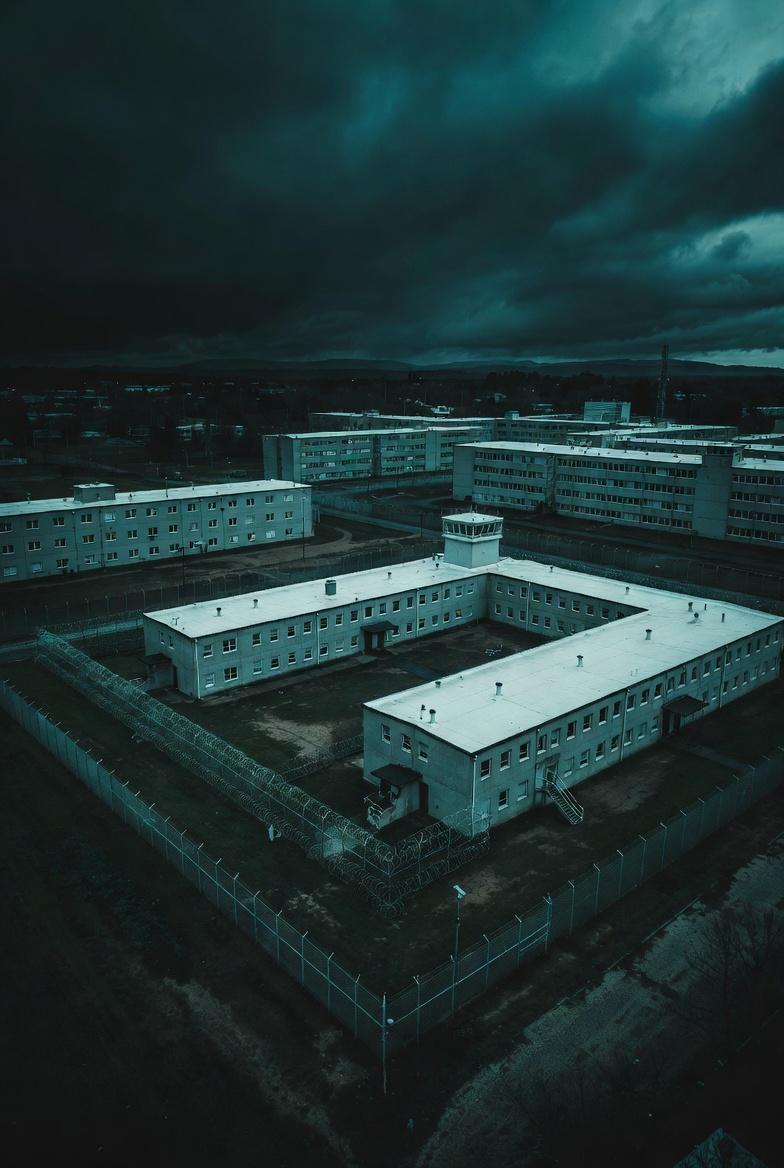
Bexar County TX Juvenile Corrections is a medium-security detention facility located at 600 Mission Road in the Southside neighborhood of San Antonio, Texas. Operating under the Texas Department of Corrections system, this facility houses male juveniles awaiting court proceedings or serving sentences in Bexar County. The facility is situated in south San Antonio, accessible from major roadways serving the metropolitan area.
Families seeking information about juveniles detained at this facility can conduct inmate searches through official channels, learn about visitation procedures, and find guidance on sending money and mail. Understanding arrest records and the juvenile justice process helps families navigate this challenging time and maintain crucial connections with detained youth.
Bexar County TX Juvenile Corrections serves as a central intake and detention facility for male juveniles in one of Texas's largest metropolitan areas. Located on Mission Road in San Antonio's Southside, the facility functions within a county that processes thousands of juvenile cases annually. Its location in Bexar County, the fourth most populous county in Texas, means it handles a diverse range of cases reflecting urban juvenile justice challenges. The facility operates within Texas's juvenile justice framework, which emphasizes rehabilitation and age-appropriate interventions distinct from adult corrections, serving youth who require secure detention pending court proceedings or completing court-ordered dispositions.
The facility houses male juveniles ranging typically from ages ten to seventeen who have been charged with delinquent conduct or adjudicated by Bexar County courts. The population includes youth detained pre-adjudication awaiting court hearings, those undergoing evaluation and assessment, and juveniles serving post-adjudication commitments. Offenses represented range from status offenses and misdemeanors to serious felonies including violent crimes and property offenses. The population fluctuates based on arrest patterns, court schedules, and placement availability in other Texas juvenile facilities. Special attention is given to classifying youth based on age, offense severity, criminal history, and behavioral needs to ensure appropriate housing assignments and supervision levels within the medium-security environment.
Juveniles at Bexar County TX Juvenile Corrections are housed in dormitory-style or cell-based units designed for age-appropriate supervision and safety. Housing assignments consider factors including age, offense type, behavioral classification, and individual needs. Detained youth receive three meals daily prepared to meet nutritional standards for growing adolescents. Recreation opportunities include outdoor physical activity time and indoor recreation, essential for juvenile physical and mental development. Medical services address routine healthcare needs, sick call, and medication management, while mental health services provide counseling and crisis intervention given the high prevalence of mental health needs among detained youth. Educational services are provided to comply with compulsory education requirements. Juveniles can file grievances through established procedures to address concerns about conditions, treatment, or services. Daily schedules are structured to provide routine, including time for education, meals, recreation, programming, and personal hygiene.
Educational programming is mandated for school-age juveniles, providing continuation of academic coursework aligned with Texas education standards. Teachers work with detained youth to maintain educational progress during detention, and GED preparation may be available for eligible older youth. Substance abuse education and counseling address drug and alcohol issues common among the juvenile justice population. Life skills programming teaches decision-making, anger management, conflict resolution, and social skills to reduce recidivism. Religious services and faith-based programming are available to youth whose families approve participation. Counseling services address trauma, family relationships, and behavioral issues. Re-entry planning begins at intake, connecting youth and families with community resources and support services to facilitate successful return to the community, whether through release, probation, or transfer to other placements.
Work assignments for juveniles in detention typically focus on facility maintenance tasks and developing basic work habits rather than production-oriented labor. Youth may be assigned responsibilities such as maintaining cleanliness in housing units, assisting with meal service, performing janitorial duties, or maintaining facility grounds under supervision. These assignments teach accountability, work ethic, and basic job skills while contributing to facility operations. Work opportunities are age-appropriate and comply with child labor standards. Assignments are structured as part of the rehabilitative program rather than industrial production, helping detained youth develop responsibility and routine while gaining experience that may benefit their transition back to the community.
The Bexar County juvenile justice system has evolved significantly over decades as San Antonio and surrounding areas grew into a major metropolitan region. Juvenile detention in Bexar County has transitioned from earlier models to current practices emphasizing rehabilitation, education, and community reintegration. The facility at 600 Mission Road operates within Texas's broader juvenile justice reforms that have shifted toward evidence-based practices, reduced reliance on secure detention for lower-risk youth, and improved conditions in juvenile facilities. Bexar County has participated in statewide and national juvenile justice reform efforts addressing disproportionate minority contact, school-to-prison pipeline issues, and trauma-informed care. The facility continues serving as a critical component of Bexar County's juvenile justice system, providing secure detention when necessary while working toward rehabilitative outcomes for troubled youth in the San Antonio metropolitan area.
Families wishing to visit juveniles at Bexar County TX Juvenile Corrections should contact the facility in advance to learn current visitation schedules, registration requirements, and any restrictions. Visitors typically must provide valid government-issued photo identification and complete visitor approval processes, which may include background checks. Dress codes are enforced to maintain appropriate standards in a juvenile facility; visitors should avoid revealing clothing, gang-related items, or anything prohibited by facility rules. Visitation schedules may vary by housing unit or classification. Visits provide crucial family connections that support rehabilitation and positive outcomes for detained youth. Because policies and schedules change, families should call ahead to confirm visiting hours, learn what items may be brought, and understand current procedures to ensure successful visits.
Mail sent to juveniles at Bexar County TX Juvenile Corrections should be addressed with the youth's full legal name, any assigned identification number, and the facility address at 600 Mission Road, San Antonio, TX 78210. All incoming mail is subject to inspection for security purposes. Facilities typically restrict mail content, prohibiting items like stamps, stickers, or inappropriate materials. Books and educational materials may need to come directly from approved vendors or publishers. Many juvenile facilities offer telephone services allowing detained youth to call approved contacts, usually requiring families to establish prepaid phone accounts. Families should verify current mail policies, phone systems, and any electronic messaging options by contacting the facility directly, as communication methods help maintain family bonds critical to successful rehabilitation.
Sponsored and Powered by our Partner TruthFinder
Quick Facts
Should I Be Concerned? — Family Guide
With zero reported staff assaults and medium-security classification, Bexar County TX Juvenile Corrections maintains relatively safe operating conditions. The facility focuses on juvenile rehabilitation rather than high-risk adult detention. Visitors should expect standard security procedures including identification checks and property screening. Contact the facility in advance to confirm visiting policies and any current restrictions before traveling.
Neighborhood & Getting There
Located on Mission Road in Southside San Antonio, this facility sits in an urban area approximately 5 miles south of downtown. The neighborhood is primarily commercial and industrial. San Antonio International Airport is roughly 15 miles away. Hotels and dining options are accessible along nearby major highways including I-37 and Mission Road. The area has typical urban infrastructure with moderate traffic and public services readily available for families visiting from across Texas.