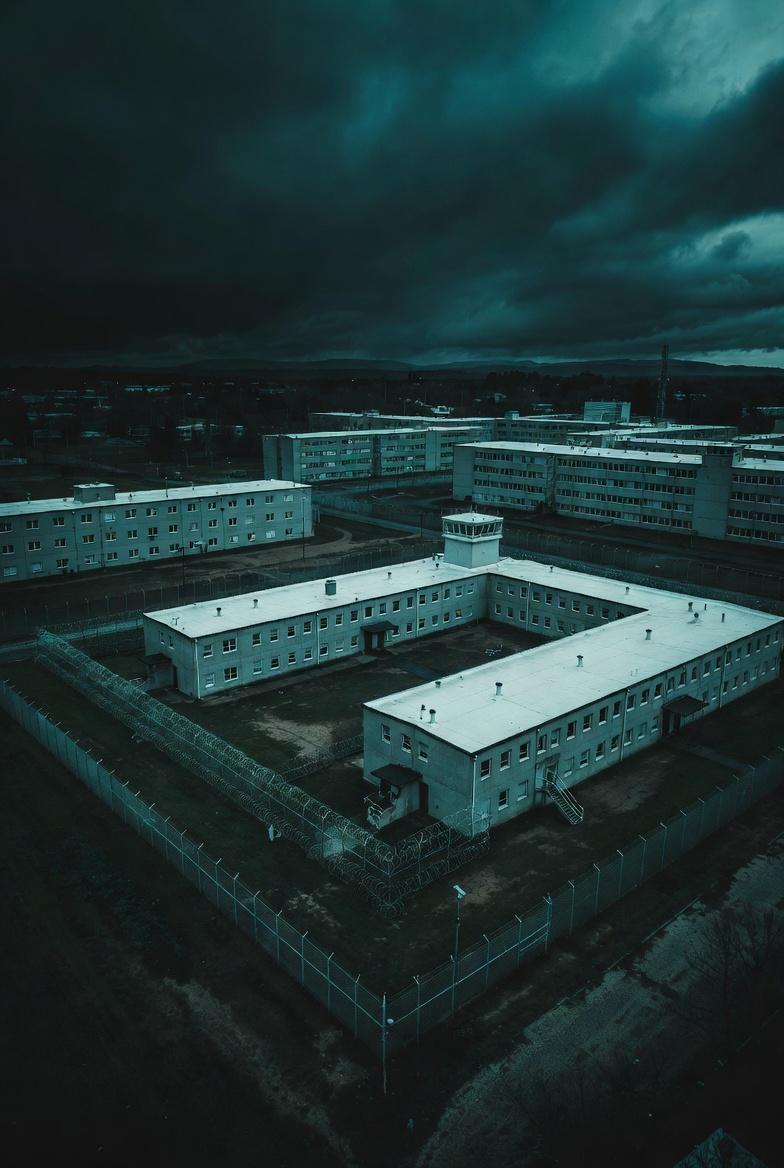
Berkshire County MA Juvenile Resource Center
County Jail | Massachusetts County — Massachusetts
Berkshire County MA Juvenile Resource Center is a medium-security juvenile detention facility located at 264 Second Street in Pittsfield, Massachusetts. Operating within the Massachusetts Department of Corrections system, this facility serves Berkshire County and the western Massachusetts region, housing male juveniles who are either awaiting court proceedings or serving court-ordered commitments. The center focuses on secure custody while providing age-appropriate programming designed to address the unique needs of young offenders in the criminal justice system.
Families seeking information about juveniles detained at this facility can conduct inmate searches, obtain arrest records, and learn about visitation procedures through official channels. The center provides guidelines for sending money to juvenile accounts, approved visitation schedules, and mail correspondence rules. Understanding these procedures helps families maintain important connections during their loved one's detention period.
Berkshire County MA Juvenile Resource Center distinguishes itself as one of the specialized juvenile detention facilities in western Massachusetts, serving the rural and geographically expansive Berkshire County region. Its location in Pittsfield positions it as a critical resource for the county court system, providing secure detention for male juveniles from communities scattered across the mountainous Berkshires. Unlike larger urban juvenile facilities in eastern Massachusetts, this center handles a smaller population drawn from rural towns, requiring staff to address the unique challenges faced by youth from isolated communities with limited access to social services and support networks before their detention.
The Berkshire County MA Juvenile Resource Center houses male juveniles ranging from pre-adolescence through late teens who have been detained by the court system. The population includes both pre-trial detainees awaiting adjudication and adjudicated youth serving committed sentences. Offense types vary widely, from status offenses and property crimes to more serious violent offenses and probation violations. The facility classifies residents based on age, offense severity, behavioral history, and specific needs to ensure appropriate supervision and program placement. Some juveniles may have special educational needs, mental health diagnoses, or substance abuse issues that require individualized treatment plans. The transient nature of juvenile detention means population levels fluctuate as youth move through different stages of court proceedings and are released or transferred to other placements.
Juveniles at Berkshire County MA Juvenile Resource Center are housed in secure units designed specifically for younger populations, with accommodations that balance security requirements with developmental appropriateness. Housing configurations typically include single rooms or small dormitory-style settings with supervised common areas. Residents receive three meals daily that meet nutritional standards for growing adolescents, with accommodations for dietary restrictions and religious requirements. Recreation opportunities include indoor and outdoor activities, physical education, and structured leisure time essential for youth development. Medical services provide routine healthcare, sick call, and management of chronic conditions, with particular attention to adolescent health needs. Mental health services address trauma, behavioral issues, and emotional disturbances common among justice-involved youth. Educational services continue during detention to minimize academic disruption. A formal grievance process allows juveniles to report concerns about conditions, treatment, or services. Staff trained in adolescent development and trauma-informed care work to maintain a structured yet supportive environment.
Berkshire County MA Juvenile Resource Center offers educational programming as a mandatory component of detention, ensuring juveniles continue their schooling during confinement. Academic instruction covers core subjects, with individualized education plans for students with special needs. Some youth may work toward completing credits required for high school graduation or participate in GED preparation. Counseling programs address behavioral issues, anger management, and social skills development critical for successful reintegration. Substance abuse education and treatment services help juveniles struggling with addiction issues. Religious services and spiritual counseling are available for various faith traditions. Life skills training prepares residents for independent living and responsible decision-making. Re-entry planning begins early in detention, connecting juveniles and their families with community resources, educational opportunities, and support services to reduce recidivism upon release.
Work assignments at Berkshire County MA Juvenile Resource Center focus on teaching responsibility and work ethic rather than production or labor. Juveniles may participate in facility maintenance tasks such as cleaning common areas, assisting with meal service, or maintaining grounds under supervision. These assignments provide structure to daily routines and teach basic job skills like punctuality, following instructions, and completing tasks. Any work programs are designed to be age-appropriate and educational rather than exploitative. The emphasis remains on rehabilitation, skill-building, and preparing youth for successful community reintegration rather than generating income through labor or operating prison industries typical of adult facilities.
The Berkshire County MA Juvenile Resource Center was established to address the need for secure juvenile detention capacity in western Massachusetts, though specific founding dates and construction details are not publicly documented in available records. The facility has evolved alongside changes in juvenile justice philosophy, shifting from purely punitive approaches toward rehabilitation and treatment-oriented models. Massachusetts has historically been a leader in juvenile justice reform, closing large training schools in favor of smaller, more therapeutic detention settings. This facility reflects that commitment to developmentally appropriate detention environments. Over the years, programming has expanded to include mental health services, educational continuity, and family engagement components. The center continues serving its essential role in the Berkshire County court system, providing secure custody while working toward positive outcomes for detained youth and community safety.
Visitation at Berkshire County MA Juvenile Resource Center is an important component of maintaining family connections during detention. Visitors must be approved in advance and typically include immediate family members, guardians, and sometimes other approved individuals. All visitors must present valid government-issued photo identification upon arrival. Dress codes prohibit revealing clothing, gang-related attire, and items that resemble staff uniforms to maintain security and facility order. Visitation schedules are structured around facility operations and may vary by housing unit or individual circumstances. Contact visits may be allowed depending on the juvenile's classification and behavior. Families should call ahead to confirm current visitation procedures, schedule appointments if required, and understand any restrictions on personal items or physical contact during visits.
Mail correspondence to juveniles at Berkshire County MA Juvenile Resource Center should be addressed with the juvenile's full legal name and identification number, followed by the facility address at 264 Second Street, Pittsfield, MA 01201. All incoming mail is inspected for contraband and must comply with facility regulations regarding content and enclosures. Books and educational materials typically must be sent directly from approved vendors or publishers rather than personal sources. Phone privileges allow juveniles to maintain family contact through prepaid phone accounts that families can fund according to facility procedures. Some juvenile facilities offer limited electronic messaging or video visitation options, though availability varies. Families should verify current communication policies and approved methods with facility staff.
Sponsored and Powered by our Partner TruthFinder
Quick Facts
Should I Be Concerned? — Family Guide
Berkshire County MA Juvenile Resource Center maintains a medium-security environment with zero reported staff assaults, indicating a generally safe facility for visitors. As a juvenile detention center, it prioritizes rehabilitation and education alongside security. When visiting, plan ahead for scheduling, bring valid ID, and follow all facility rules to ensure a smooth visit experience.
Neighborhood & Getting There
Located on Second Street in Pittsfield, Massachusetts, the Berkshire County MA Juvenile Resource Center sits in the heart of Berkshire County in western Massachusetts. Pittsfield is approximately 140 miles west of Boston and serves as the county seat. The area features highway access via Route 7 and I-90, with basic lodging and services nearby. Visitors from the Albany-Troy region can reach the facility in about 45 minutes; Boston visitors should plan 2.5 hours driving time.