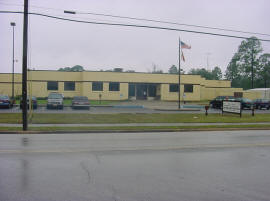
Bay Regional Juvenile Detention Center
State Prison | Bay County — Florida | BRJDC | Florida Department of Juvenile Justice
Bay Regional Juvenile Detention Center is located at 450 E 11th Street in Panama City, Bay County, Florida. Operated under the Florida Department of Corrections system, this medium-security facility serves as a detention center exclusively for male juvenile offenders. Under the leadership of Superintendent Heather Hart, the center maintains a capacity of 32 beds, providing a controlled environment for youth in the Bay County region requiring secure detention.
Families seeking information about juveniles detained at Bay Regional can access inmate search resources to locate their loved ones, verify housing assignments, and understand arrest records. The facility processes requests for visitation scheduling, monetary deposits for juvenile accounts, and maintains specific protocols for family contact during a young person's time in custody.
Bay Regional Juvenile Detention Center serves as a specialized detention resource for the Florida Panhandle region, providing secure housing specifically for male juveniles in Bay County and surrounding areas. Unlike adult correctional facilities, this center focuses exclusively on youth offenders requiring secure detention during the adjudication process or while serving court-ordered commitments. The facility's 32-bed capacity allows staff to maintain closer supervision ratios and deliver age-appropriate programming designed to address the developmental needs of adolescent detainees. Located in downtown Panama City, the center operates within the community it serves, facilitating family connections and coordination with local courts, schools, and social service agencies involved in each juvenile's case.
Bay Regional Juvenile Detention Center houses male juveniles ranging from pre-adjudication detainees awaiting court hearings to adjudicated youth serving committed time. The population includes juveniles charged with or convicted of various offenses including property crimes, assault, drug-related charges, probation violations, and more serious felony offenses. Many residents are held in pre-trial detention status while awaiting disposition of their cases in Bay County's juvenile court system. The facility also houses youth who have been adjudicated delinquent and committed to state custody for specified periods. Given the medium-security classification, residents include juveniles assessed as requiring secure detention but not presenting the highest security risk levels. Staff conduct ongoing risk assessments and classification reviews to ensure appropriate placement and supervision for each individual youth.
Juveniles at Bay Regional Juvenile Detention Center are housed in dormitory-style or cell-based units designed for secure supervision and age-appropriate care. The facility provides three daily meals that meet nutritional standards established for growing adolescents. Recreation opportunities include both indoor and outdoor activities, allowing residents to engage in physical exercise and structured leisure time under staff supervision. Medical services address routine health needs, injury treatment, and medication management, with access to outside providers for specialized care. Mental health services play a critical role given the high incidence of trauma, behavioral disorders, and emotional challenges among detained youth. Counseling, crisis intervention, and psychiatric services are available as needed. The facility maintains a grievance process allowing juveniles to formally address concerns about conditions, staff conduct, or other issues. Educational programming continues during detention to minimize academic disruption. Daily schedules balance structure with developmentally appropriate activities designed to maintain stability and promote positive behavioral change during each youth's stay.
Bay Regional Juvenile Detention Center provides educational programming to ensure juveniles continue their academic progress during detention. Residents attend classes covering core subjects, with opportunities to work toward grade promotion or GED completion depending on individual circumstances and length of stay. The facility offers substance abuse education and counseling services addressing drug and alcohol issues prevalent among many detained youth. Life skills programming teaches decision-making, anger management, and conflict resolution techniques intended to reduce recidivism risk. Religious services and faith-based programming are available for residents seeking spiritual support. Counseling services, both individual and group-based, help juveniles process the circumstances leading to their detention and develop healthier coping strategies. Re-entry planning begins early in each youth's stay, coordinating with families, schools, probation officers, and community resources to support successful transition back to the community upon release.
As a juvenile detention center rather than an adult prison, Bay Regional does not operate traditional prison industries or outside work crews. Instead, residents participate in facility maintenance assignments appropriate for their age and security status. These may include cleaning dormitory areas, assisting with meal service, maintaining common areas, and performing basic janitorial duties under staff supervision. Such assignments teach work ethic, responsibility, and basic job skills while contributing to facility operations. Work assignments are considered part of the overall programming designed to provide structure, teach accountability, and develop positive habits that will benefit residents upon release to the community.
Bay Regional Juvenile Detention Center has served the Florida Panhandle as a secure detention resource for male juveniles, though specific founding dates are not publicly documented. The facility operates within Florida's juvenile justice system framework, which has evolved significantly over decades to emphasize rehabilitation alongside accountability for youthful offenders. Located in Panama City, the center has weathered significant regional challenges including Hurricane Michael in 2018, which devastated much of Bay County and tested the facility's operational resilience. Throughout its operational history, Bay Regional has adapted to changing juvenile justice philosophies, incorporating evidence-based practices and trauma-informed approaches into daily operations. Today, under Superintendent Heather Hart's leadership, the facility continues its mission of providing secure detention while preparing young people for successful reintegration into their families and communities throughout the Bay County region.
Visitation at Bay Regional Juvenile Detention Center provides critical family connection opportunities for detained juveniles. Visitors must present valid government-issued photo identification and complete any required approval processes prior to their first visit. Dress code requirements prohibit revealing clothing, gang-related attire, and items that could pose security concerns. Minors visiting must be accompanied by an approved adult guardian. Visitation schedules are typically limited to specific days and times, with sessions conducted under staff supervision in designated areas. Physical contact may be restricted depending on facility policies and the juvenile's security classification. Families should expect to pass through security screening, including metal detectors. Because visitation policies, schedules, and procedures can change, families are strongly encouraged to call the facility ahead of time to confirm current requirements, verify their approval status, and understand any restrictions before traveling to Panama City.
Mail sent to juveniles at Bay Regional Juvenile Detention Center should include the youth's full legal name and booking number followed by the facility address: 450 E 11th Street, Panama City, FL 32401. All incoming mail undergoes inspection for security purposes, and prohibited items will be rejected. Correspondence policies may restrict certain content or materials. Books and publications typically must come directly from approved vendors or publishers rather than personal senders. Phone access allows juveniles to maintain family contact through monitored calls, generally using prepaid account systems that families fund in advance. Contact policies for juvenile facilities often differ from adult institutions, with greater emphasis on maintaining family connections as part of rehabilitation goals. Families should contact the facility directly to understand current policies regarding electronic messaging systems if available, phone account setup procedures, and any restrictions on communication methods.
Sponsored and Powered by our Partner TruthFinder
Quick Facts
Should I Be Concerned? — Family Guide
Bay Regional Juvenile Detention Center operates at medium security with no reported staff assaults, indicating a generally safe environment for visitors. The facility maintains professional security protocols while serving the juvenile population. When visiting, expect standard security procedures including ID verification and bag checks. Contact the facility ahead of time to confirm visiting hours and any specific requirements for your visit.
Neighborhood & Getting There
Bay Regional Juvenile Detention Center is located in Panama City, a coastal city in Northwest Florida's Bay County. Panama City sits along the Gulf of Mexico, approximately 100 miles south of Pensacola and 200 miles west of Tallahassee. The facility is accessible via US Highway 231 and Panama City Beach Road. Numerous hotels, restaurants, and services are available along Highway 231 and in downtown Panama City, with easy highway access for visitors traveling from surrounding counties and the panhandle region.