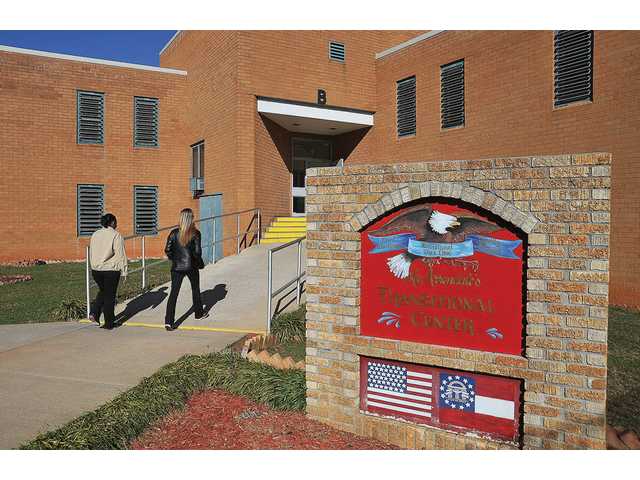
Arrendale Transitional Center
State Prison | Habersham County — Georgia | Georgia DOC
Arrendale Transitional Center is a minimum-security correctional facility located in Alto, Georgia, in Habersham County. Opened in 2008, this transitional center operates under the Georgia Department of Corrections and exclusively houses male offenders. With a capacity of 117 inmates, the facility sits along Old Gainesville Highway in the northeastern Georgia mountains. As a transitional center, it focuses on preparing inmates for successful community reintegration through structured programming and work opportunities.
Families seeking information about inmates at Arrendale Transitional Center can search for current residents through the Georgia Department of Corrections inmate locator system. Loved ones can send money to inmates, schedule approved visitation, and access arrest records through official channels to stay connected during incarceration.
Arrendale Transitional Center serves a specialized role within the Georgia corrections system as a minimum-security transitional facility designed specifically for male offenders nearing release. Unlike traditional prisons, transitional centers focus on community reintegration and preparing inmates for successful reentry into society. The facility's location in the small mountain community of Alto provides a less institutional environment compared to larger state prisons. With its limited capacity of 117 inmates, staff can maintain closer supervision and deliver more individualized transition planning. This transitional designation means residents typically have demonstrated good behavior in previous facilities and are working toward release through employment and program participation.
Arrendale Transitional Center houses male offenders classified as minimum-security risks who are transitioning toward release from the Georgia Department of Corrections system. The inmate population consists of sentenced individuals who have progressed through the custody classification system and earned placement at a transitional facility through positive institutional conduct. Residents typically have relatively short remaining sentences and are considered low-risk for escape or violence. The facility does not house pre-trial detainees, as those individuals remain in county jails. Inmates at Arrendale have generally completed portions of their sentences at higher-security institutions and qualified for transfer based on behavior, time served, and offense type. The 117-bed capacity allows for focused transition programming.
At Arrendale Transitional Center, inmates reside in dormitory-style housing units consistent with minimum-security classification standards. The facility provides three daily meals prepared according to Georgia Department of Corrections nutritional guidelines. Recreation opportunities include outdoor exercise areas and indoor activities, though specific amenities reflect the facility's transitional focus rather than long-term incarceration. Medical services are available on-site for routine health needs, with more serious conditions referred to appropriate medical facilities. Mental health services include counseling and assessment, recognizing that successful reentry requires addressing psychological wellness. The facility maintains a formal grievance process allowing inmates to address concerns about conditions, treatment, or policy violations through administrative channels. The transitional center environment emphasizes personal responsibility and community preparation rather than the security restrictions found in higher-custody facilities.
As a transitional center, Arrendale emphasizes programs preparing inmates for successful community reintegration. Educational opportunities include GED preparation and completion for those lacking high school credentials, providing essential qualifications for post-release employment. Vocational training focuses on marketable skills inmates can use immediately upon release. Substance abuse programming addresses addiction issues that often contribute to criminal behavior, offering both group and individual counseling. Religious services and faith-based programming are available for spiritual development. The facility's primary focus centers on reentry preparation, including employment readiness, life skills, financial literacy, and community resource connections. Work assignments both inside and outside the facility teach responsibility and work habits while allowing inmates to save money for release.
Inmates at Arrendale Transitional Center participate in various work assignments as part of their transition preparation. Inside the facility, residents maintain housekeeping duties, kitchen operations, laundry services, and general facility maintenance. These institutional jobs teach workplace responsibility and punctuality. Many inmates also participate in community work assignments outside the facility, supervised by corrections staff. These external work details may include roadside maintenance, public facility upkeep, and other projects benefiting Habersham County and surrounding communities. Such work assignments provide real-world employment experience, structure daily routines, and allow inmates to contribute positively to society while completing their sentences.
Arrendale Transitional Center opened in 2008 as part of Georgia's efforts to expand transitional housing for male offenders approaching release. The facility was established in Alto, a small Habersham County community in northeastern Georgia's mountain region, providing a less urban setting for reentry preparation. The center's creation reflected Georgia Department of Corrections recognition that dedicated transitional facilities improve success rates for returning citizens by offering structured programming in minimum-security environments. Named using the Arrendale designation, the facility joined Georgia's network of transitional centers focused on reducing recidivism through employment, programming, and gradual community reintegration. Since opening, the facility has maintained its mission of housing 117 minimum-security male inmates preparing for release. The center continues serving this specialized role within Georgia's correctional system today.
Visitation at Arrendale Transitional Center follows Georgia Department of Corrections policies for minimum-security transitional facilities. All visitors must be on the inmate's approved visitation list and submit to background checks before receiving approval. Visitors must present valid government-issued photo identification upon arrival. The facility enforces a dress code prohibiting revealing, provocative, or clothing resembling inmate uniforms. Specific visitation days and hours vary, and families should contact the facility directly before traveling to confirm current schedules and any temporary restrictions. Visitors may be subject to search, and prohibited items cannot be brought into the visiting area. Given the transitional nature of the facility, visitation policies may differ from traditional prisons, so calling ahead ensures families understand current procedures.
To send mail to an inmate at Arrendale Transitional Center, address correspondence with the inmate's full legal name and Georgia Department of Corrections identification number, followed by the facility address at 2023 Old Gainesville Highway, Alto, Georgia 30510. All incoming mail undergoes inspection for security purposes. Inmates may receive books and publications only from approved vendors that ship directly to the facility. Families can establish prepaid telephone accounts allowing inmates to make collect calls or use debit systems. Money can be deposited to inmate accounts through approved methods established by the Georgia Department of Corrections for commissary purchases and other approved expenses.
Sponsored and Powered by our Partner TruthFinder
Quick Facts
Should I Be Concerned? — Family Guide
Arrendale Transitional Center maintains a strong safety record with zero reported staff assaults, reflecting its minimum security status and smaller operational scale. The facility's transitional focus indicates programming designed to prepare inmates for successful community reentry. Visitors should expect standard security procedures, though minimum security typically allows more relaxed visitation than higher-security facilities. Contact the facility ahead of your visit to confirm current visiting schedules and any COVID-related restrictions.
Neighborhood & Getting There
Located in Alto, Georgia—a rural community in Habersham County in the North Georgia foothills—Arrendale Transitional Center sits approximately 50 miles northeast of Atlanta, roughly 60-75 minutes driving time. The area offers limited commercial services, with most amenities found in nearby Cornelia or Cleveland. Visitors traveling from Atlanta should plan accordingly, as highway access is via GA-365 and US-129. Budget hotels and dining options are sparse in Alto itself; many visitors base themselves in larger nearby towns.