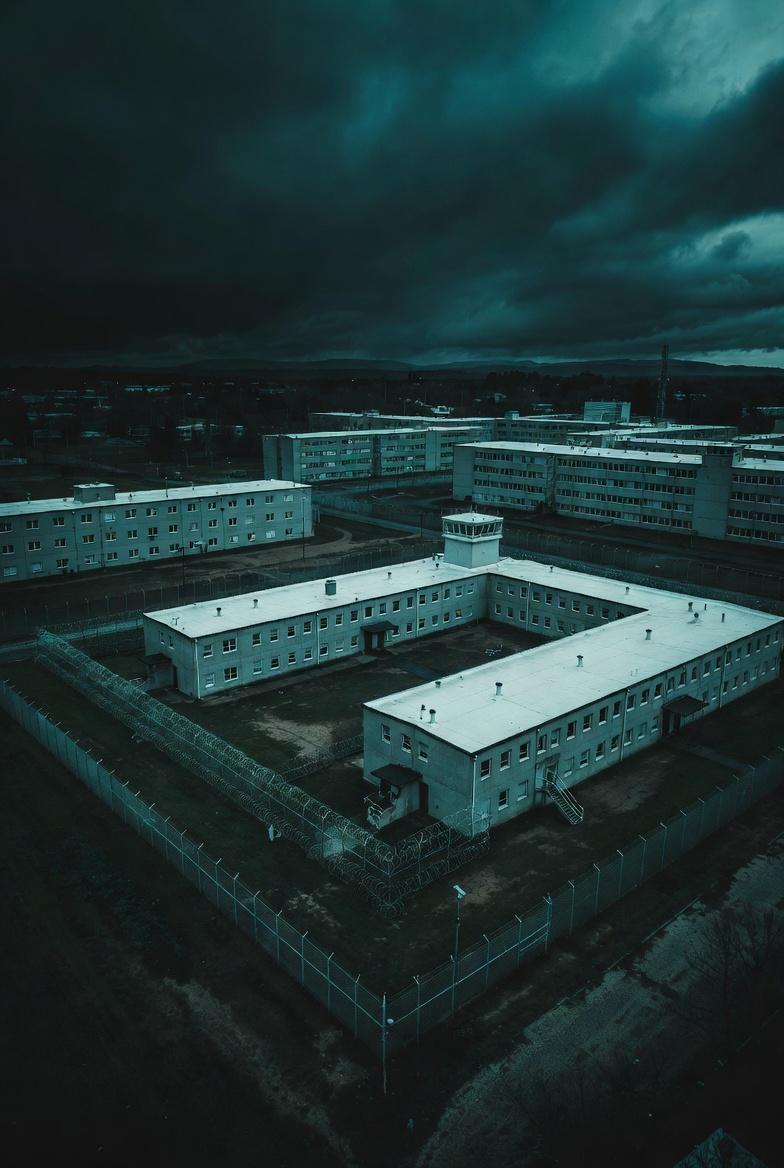
Alfalfa County Jail operates as a medium-security facility located at 300 South Grand Avenue in Cherokee, Oklahoma. This county detention center houses male inmates and functions within the Oklahoma Department of Corrections system. Situated in the northwest corner of Oklahoma, the facility serves Alfalfa County's law enforcement and judicial needs, holding both pre-trial detainees awaiting court proceedings and sentenced offenders serving county-level terms.
Families seeking information about inmates at Alfalfa County Jail can access inmate search services, arrest records, and booking information through county resources. The facility provides multiple communication options including visitation, phone services, and mail correspondence. Loved ones can also arrange to send money for commissary purchases and other approved inmate needs through designated payment systems.
Alfalfa County Jail serves one of Oklahoma's smallest counties by population, making it a notably compact detention operation compared to urban facilities across the state. Located in Cherokee, the county seat of Alfalfa County, this jail operates in a predominantly rural agricultural region near the Kansas border. The facility's size and rural location create a close-knit operational environment where staff often develop familiarity with both inmates and their families. This setting allows for more direct communication between corrections personnel and community members, though it also means limited specialized programming compared to larger metropolitan jails in Oklahoma City or Tulsa.
Alfalfa County Jail Data & Statistics:
| Avg. Daily Population | 7 |
| Total Confined | 8 |
| Confined Males (18+) | 7 |
| Confined Females (18+) | 1 |
| Full-Time Employees | 9 |
| Part-Time Employees | 6 |
| Total Employee Salaries | $158,531 |
| On Work Assignment | 4 |
*Statistical data from census.gov
Alfalfa County Jail houses a male inmate population representing both pre-trial detainees and sentenced offenders. The facility typically holds individuals charged with or convicted of county-level offenses including misdemeanors and lower-level felonies. Pre-trial detainees awaiting court appearances in Alfalfa County District Court constitute a significant portion of the population. The inmate classification includes those arrested for property crimes, driving violations including DUI offenses, domestic disturbances, drug possession charges, and probation violations. Given the rural agricultural nature of Alfalfa County, the jail occasionally houses individuals involved in farm-related incidents or disputes. The facility does not house female inmates or juveniles, who are transferred to appropriate facilities elsewhere in the Oklahoma corrections system when necessary.
Alfalfa County Jail provides housing in a secure detention environment with inmates classified based on offense severity, behavioral history, and security needs. Inmates reside in cells or dormitory-style housing units with access to basic bedding and hygiene supplies. The facility serves three meals daily prepared according to nutritional standards and accommodating medical dietary restrictions when documented. Recreation opportunities include scheduled time for physical activity, though options may be limited compared to larger facilities due to space constraints. Medical services address routine health needs, with arrangements for emergency care and specialized treatment at outside facilities when required. Mental health support is available for inmates experiencing psychological distress or requiring medication management. The jail maintains a formal grievance process allowing inmates to report concerns about conditions, staff conduct, or policy violations through written submissions reviewed by supervisory personnel. Families should understand that county jail conditions differ from long-term prison facilities.
Alfalfa County Jail offers programming appropriate for a short-term detention facility, though options are more limited than those available at state prisons. Educational opportunities may include basic literacy instruction and GED preparation for eligible inmates with sufficient time remaining in custody. The facility provides access to religious services and pastoral visits from local clergy representing various faiths who volunteer their time. Substance abuse awareness programming addresses addiction issues common among the jail population, particularly related to alcohol and methamphetamine use prevalent in rural Oklahoma communities. Life skills workshops may cover topics such as job readiness, anger management, and family relationships. Re-entry planning assistance helps soon-to-be-released inmates connect with community resources including employment services, housing assistance, and continuing treatment programs. Program availability fluctuates based on volunteer availability, funding, and facility operational needs.
Alfalfa County Jail operates work assignments that maintain facility operations while providing inmates with productive activity. Inside work details include kitchen duty assisting with meal preparation and service, janitorial assignments maintaining cleanliness throughout the facility, and laundry operations processing linens and inmate clothing. Trustee inmates who demonstrate good behavior and meet security criteria may receive additional responsibilities. The jail does not operate industrial production programs like larger state facilities. Outside work crews are occasionally deployed for county maintenance projects such as roadside cleanup, grounds maintenance at county buildings, or assistance with community projects under staff supervision. These work opportunities provide limited compensation through commissary credits and help prepare inmates for employment upon release while reducing operational costs.
Alfalfa County Jail has served the detention needs of this northwest Oklahoma county since Cherokee was established as the county seat. The facility's development reflects the evolution of rural law enforcement and detention practices in Oklahoma's agricultural regions. While specific construction dates and major renovation timelines are not extensively documented, the jail has adapted over decades to meet changing correctional standards and legal requirements. The facility operates within the historic context of Alfalfa County, which was organized at Oklahoma statehood in 1907 and named for the alfalfa crops grown throughout the region. Today, the jail continues its fundamental role as the primary detention center for Alfalfa County, working alongside the county sheriff's office, district court system, and local law enforcement agencies to maintain public safety and house individuals awaiting trial or serving county sentences in this rural Oklahoma community.
Visitation at Alfalfa County Jail allows families to maintain contact with incarcerated loved ones through scheduled visiting sessions. All visitors must present valid government-issued photo identification such as a driver's license, state ID, or passport before being admitted. The facility enforces a dress code prohibiting revealing clothing, gang-related attire, and items that resemble inmate uniforms. Potential visitors may need approval through a screening process, and individuals with felony convictions or active warrants may be denied entry. Visitation schedules vary and may be limited to specific days and times, with possible restrictions based on housing unit assignments. Contact methods may include in-person visits through glass partitions with telephone communication or video visitation systems. Families should call the facility in advance to confirm current visitation hours, rules, and any COVID-related modifications to normal procedures.
Families can send mail to inmates at Alfalfa County Jail by addressing correspondence with the inmate's full legal name followed by the facility address at 300 South Grand Avenue, Cherokee, OK 73728. All incoming mail undergoes inspection for contraband and prohibited items before delivery to inmates. Books and magazines typically must arrive directly from approved vendors or publishers rather than personal senders. The facility operates telephone services allowing inmates to place collect calls or use prepaid phone accounts that families can fund through designated providers. Communication policies prohibit certain content and may involve monitoring for security purposes. Money for commissary purchases can be deposited through approved methods established by the Alfalfa County Sheriff's Office. Families should verify current communication policies and approved vendor lists before sending items or funds.
Sponsored and Powered by our Partner TruthFinder
Quick Facts
Should I Be Concerned? — Family Guide
Alfalfa County Jail maintains a Medium security classification with a strong safety record—zero staff assaults indicate effective security management and stable operations. Families should expect standard security procedures during visits, including entry screening and supervised visitation areas. Contact the facility directly to confirm current visiting policies and any pandemic-related restrictions before traveling to Cherokee.
Neighborhood & Getting There
Cherokee, Oklahoma is located in the heart of the Oklahoma Panhandle in Alfalfa County, approximately 90 miles northwest of Oklahoma City and 60 miles south of the Kansas border. The rural community sits along US-64, providing convenient highway access. Nearest significant amenities are in Woodward (30 miles south) and the Kansas border towns. Limited lodging exists locally; most visitors stay in Woodward or prepare for day trips from surrounding areas.