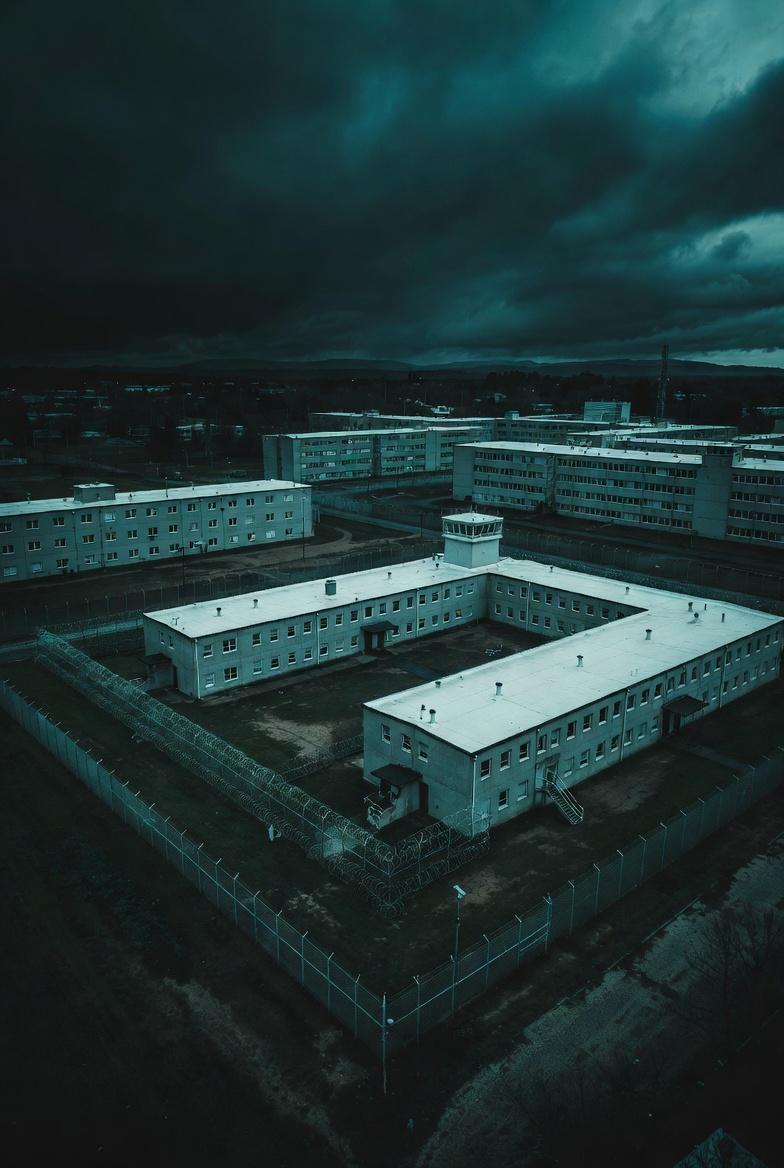
The USP Atlanta Satellite Prison Camp (Minimum Security) is a federal correctional facility located at 601 McDonough Boulevard Southeast, Atlanta, GA 30315, in the Chosewood Park neighborhood on the south side of Atlanta. The camp operates as a satellite facility adjacent to the larger United States Penitentiary (USP) Atlanta complex and is managed by the Federal Bureau of Prisons (BOP). Families and friends needing to reach the facility directly can call 404-635-5100 or send a fax to 404-331-2403.
As a minimum-security federal prison camp, this facility houses adult male offenders who have been assessed as low-risk and who typically have relatively short sentences remaining or have demonstrated consistent good conduct throughout their incarceration. Unlike higher-security federal penitentiaries, minimum-security camps generally operate with fewer physical restraints such as perimeter fencing and watchtowers, relying instead on established rules, inmate accountability, and community-based supervision practices.
Federal facilities like this one are operated entirely by the Bureau of Prisons and house individuals convicted of federal offenses — including white-collar crimes, drug trafficking, immigration violations, and other federal-level charges. Minimum-security camps often provide broader access to education, vocational training, and work programs compared to higher-security institutions. The USP Atlanta camp is one of many federal correctional facilities that make up Georgia correctional facilities across the state.
If you have a loved one currently held at USP Atlanta Satellite Prison Camp, your first step should be contacting the facility at 404-635-5100 to confirm the individual's housing status and obtain basic information. You may also want to consult with a federal criminal defense attorney, particularly if sentencing, appeals, or early release programs are relevant to your situation. Families can also search criminal records to find current incarceration status and verify facility placement through public records tools.
One of the most notable distinguishing features of the USP Atlanta Satellite Prison Camp is its location within the broader USP Atlanta federal complex — one of the oldest federal penitentiaries in the United States. This gives the satellite camp access to a wider range of resources, programming infrastructure, and administrative support than many standalone minimum-security facilities might offer.
As a minimum-security federal prison camp, the facility operates with a notably different atmosphere compared to medium or high-security institutions. Inmates are typically housed in dormitory-style settings rather than individual cells, and the daily environment emphasizes personal responsibility, structured routines, and active participation in work and educational programs. The camp's proximity to the city of Atlanta also means that certain community-based reentry resources and transition services may be more accessible to eligible inmates preparing for release. This urban setting and its federal oversight distinguish the camp from many rural correctional facilities in Georgia.
The USP Atlanta Satellite Prison Camp houses adult male federal inmates who have been designated at the minimum security level. The Bureau of Prisons assigns inmates to minimum-security facilities based on a combination of factors, including the nature of the offense, criminal history, time remaining on the sentence, and institutional behavior. Inmates at this camp are generally considered lower-risk and are often within a few years of their projected release date.
The population at federal prison camps tends to include individuals convicted of non-violent federal offenses such as white-collar crimes, fraud, tax evasion, drug-related offenses, and immigration violations. Because of the minimum-security designation, the camp typically maintains a more stable and manageable population compared to higher-custody federal institutions. Capacity levels fluctuate based on BOP system-wide population management and transfer decisions. Families seeking to confirm whether a loved one is housed at this specific facility can review the how to find an inmate guide for step-by-step instructions on using the BOP's official inmate locator.
Living conditions at the USP Atlanta Satellite Prison Camp reflect the standards typical of federal minimum-security camps operated by the Bureau of Prisons. Inmates are generally housed in open dormitory-style units rather than locked individual cells, which creates a less restrictive environment than higher-security federal institutions. Each inmate is assigned a bunk, a locker for personal storage, and access to shared common areas including bathrooms, laundry facilities, and recreation spaces.
Meals are provided through a central dining facility, with menus developed to meet federal nutritional standards. Inmates have access to a commissary where they can purchase approved food items, hygiene products, clothing, and other personal goods using funds deposited to their accounts by family members or earned through work assignments. Recreation options typically include outdoor exercise areas, television rooms, and access to leisure reading materials.
Medical care is available on-site through the BOP's health services program, with more complex medical needs referred to outside providers or BOP medical referral centers when necessary. Mental health and counseling services are also available. The general atmosphere at minimum-security camps tends to be calmer and more structured than higher-security facilities, which can make the experience of incarceration less stressful for both inmates and their visiting families.
The USP Atlanta Satellite Prison Camp offers a range of programs consistent with the Federal Bureau of Prisons' commitment to inmate rehabilitation and successful reentry into society. Educational opportunities are a cornerstone of programming at federal camps, and eligible inmates are typically required to participate in literacy and GED programs if they have not yet obtained a high school diploma or equivalent. English as a Second Language (ESL) classes are also generally available for non-native speakers.
Vocational and work programs form another critical component of daily life at the camp. Inmates are typically assigned work details that support facility operations — including grounds maintenance, food service, and administrative support — giving them the opportunity to develop transferable job skills and maintain a productive daily routine. Some federal camps also offer access to Federal Prison Industries (UNICOR) work programs, which provide more formalized vocational training and employment experience.
Cognitive and behavioral programs are also offered, including the Residential Drug Abuse Program (RDAP) eligibility pathways for qualified individuals, substance abuse education, and anger management courses. Religious services and faith-based programming are available through the facility's chaplaincy program. Reentry planning support, including assistance with job placement resources, housing options, and community supervision preparation, is available to inmates approaching their release dates. These programs collectively aim to reduce recidivism and help individuals rebuild their lives after incarceration.
The history of the USP Atlanta Satellite Prison Camp is closely tied to the long and storied past of the United States Penitentiary Atlanta, one of the oldest and most historically significant federal prisons in the United States. USP Atlanta was originally constructed in the early 1900s and opened in 1902, making it one of the first three federal penitentiaries established in the country. Over the course of the twentieth century, USP Atlanta housed some of the most high-profile federal offenders in American history and witnessed significant moments in the evolution of the U.S. federal prison system.
The satellite prison camp, operating as a minimum-security adjunct to the main penitentiary, was developed as part of a broader Bureau of Prisons strategy to create tiered facilities that could appropriately classify and house inmates based on risk level and program needs. By establishing satellite camps near larger penitentiaries, the BOP was able to transition lower-risk inmates into environments better suited to rehabilitation and reintegration without requiring entirely separate institutional infrastructure.
Over the decades, the Atlanta federal complex has undergone significant renovations and operational changes in response to shifting federal sentencing guidelines, population pressures, and evolving correctional philosophy. The minimum-security camp reflects the modern BOP emphasis on evidence-based programming, reduced recidivism, and preparing inmates for successful community reentry. Today, the facility continues to serve the federal correctional system as a stable, well-established camp within one of the most historically significant federal prison complexes in the southeastern United States.
No widely documented famous former inmates are publicly associated with the USP Atlanta Satellite Prison Camp minimum-security facility specifically. However, the broader USP Atlanta complex has historically housed notable federal offenders over its more than century-long history. If you are researching a specific individual's incarceration history or criminal record, you can search public criminal records to access publicly available information about arrests, convictions, and incarceration status.
Visiting a loved one at the USP Atlanta Satellite Prison Camp requires advance planning and adherence to the Bureau of Prisons' visitation policies. Before visiting, all prospective visitors must be approved and placed on the inmate's official visitation list. This process involves submitting personal information for a background check conducted by facility staff. Visitors who have not been pre-approved will not be permitted entry, so it is essential to coordinate with your incarcerated family member early to initiate this process.
Visitation hours and specific scheduling details are subject to change and are set by the facility. Families should contact the facility directly at 404-635-5100 or consult the official BOP facility page for current visitation schedules and any special visitation requirements. Visitors are expected to dress in accordance with the facility's dress code and must present valid government-issued photo identification upon arrival.
Children under 18 must be accompanied by an approved adult visitor. Prohibited items include cell phones, cameras, outside food, and other contraband as defined by BOP policy. In addition to in-person visits, families can maintain contact through approved phone calls, email via the CorrLinks system, and postal mail. Families may also want to explore how to send money to their commissary account to help cover personal needs during their sentence.
There are several approved ways to stay in contact with an inmate housed at the USP Atlanta Satellite Prison Camp. Phone calls can be made by inmates through the BOP's Trust Fund Limited Inmate Computer System (TRULINCS) and the Global Tel Link (GTL) phone system. Family members must set up a prepaid account to receive calls. Email communication is available through the CorrLinks messaging system, which requires registration at CorrLinks.com before messages can be exchanged.
Written mail can be sent to the facility at: 601 McDonough Boulevard Southeast, Atlanta, GA 30315. All incoming mail is subject to inspection. Packages must meet BOP guidelines and are typically restricted to specific approved items. For families who are unsure of an inmate's exact location or current facility assignment, our guide on how to find an inmate provides detailed steps for using the BOP's official inmate locator tool. You can also look up an inmate's arrest history and verify facility placement through public records searches.
Sponsored and Powered by our Partner TruthFinder
Quick Facts
Should I Be Concerned? — Family Guide
USP Atlanta Satellite Prison Camp is a minimum-security federal facility with a strong emphasis on inmate rehabilitation and low violence rates. The facility maintains controlled visiting procedures with standard security screening, including metal detection and background verification. Families should expect professional, orderly operations during visitation with clear protocols to ensure safety for all visitors.
Prior to visiting, families are encouraged to verify visitation eligibility and confirm their inmate's status. Standard safety precautions include no weapons, recording devices, or contraband. The facility operates under federal Bureau of Prisons guidelines with trained staff present during all visiting hours to maintain a secure environment.
Neighborhood & Getting There
The Chosewood Park area in southwest Atlanta offers convenient access to the facility with multiple hotel options within 15-20 minutes. Nearby accommodations include budget and mid-range chains along I-75 corridor. The neighborhood features restaurants, gas stations, and shopping centers for visitor convenience. Driving distance from downtown Atlanta is approximately 20 minutes; from the airport is approximately 30-35 minutes depending on traffic.
The surrounding community includes residential neighborhoods and commercial areas. Visitors should plan for adequate travel time, especially during rush hours on I-75. The facility location provides relatively easy access for families traveling from across Georgia and neighboring states.