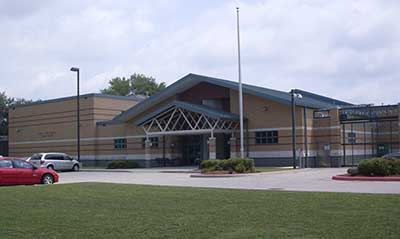
James H. "Tiger" Morton Juvenile Center
State Prison | Kanawha County — West Virginia | West Virginia Division of Juvenile Services
James H. "Tiger" Morton Juvenile Center is a maximum-security juvenile facility located in Dunbar, Kanawha County County, West Virginia. Opened in 2003 and operated by the West Virginia Department of Corrections, the facility is led by Warden Jeremy Dolin and has a capacity of 25 juveniles. Currently housing approximately 22 youth offenders, the center serves both male and female juveniles requiring secure detention. The facility on Manfred Holland Way provides specialized programming tailored to the developmental needs of young offenders in the West Virginia correctional system.
Families of juveniles at this Dunbar West Virginia correctional facility can conduct a James H. "Tiger" Morton Juvenile Center inmate search through official channels, arrange visits during designated hours, send money to support commissary needs, and search criminal records to verify incarceration status. The Dunbar location is accessible for families traveling from throughout Kanawha County and surrounding areas of West Virginia seeking to maintain contact with incarcerated juveniles.
What distinguishes James H. "Tiger" Morton Juvenile Center from other West Virginia juvenile facilities is its maximum-security classification combined with its relatively small capacity of 25 beds, allowing for intensive individualized programming and supervision. Located in Dunbar within Kanawha County County, the facility serves as a specialized placement for the state's most serious juvenile offenders requiring secure confinement. Named after James H. "Tiger" Morton, the center represents West Virginia's commitment to providing structured rehabilitation in a controlled environment. Its proximity to Charleston, the state capital, enables coordination with state juvenile justice agencies and access to specialized treatment providers. The facility's nearly full occupancy—operating at approximately 88% capacity with 22 juveniles—reflects ongoing demand for maximum-security juvenile placements in West Virginia.
The juvenile population at James H. "Tiger" Morton Juvenile Center consists of both male and female offenders requiring maximum-security detention, representing the most serious cases within West Virginia's juvenile justice system. These youth have typically been adjudicated for violent offenses, chronic repeat offenses, or behaviors that present significant safety concerns in less restrictive settings. The facility houses both pre-adjudication juveniles awaiting court proceedings and post-adjudication youth serving committed time. Given the maximum-security classification, residents often include those with histories of escape attempts, assaultive behavior, or gang involvement. The center maintains specialized protocols for managing juveniles with mental health needs, as many young offenders in secure settings have co-occurring behavioral health disorders requiring psychiatric intervention and therapeutic programming designed specifically for adolescent developmental stages.
Living conditions at James H. "Tiger" Morton Juvenile Center reflect the facility's maximum-security designation, with juveniles housed in single-occupancy or double-occupancy secure cells designed to ensure constant supervision and safety. The housing units feature controlled movement protocols, with youth transitioning between cells, classrooms, and program areas under direct staff escort. Daily schedules include structured meal times in controlled dining settings, with menus meeting nutritional requirements for developing adolescents. The facility provides outdoor recreation opportunities in a secure yard area, though activities are carefully supervised given the security level. Medical care is delivered through on-site health services including routine examinations, sick call, and emergency response, with outside hospital transport available for serious conditions. Mental health services play a critical role at this Dunbar facility, offering individual counseling, crisis intervention, and psychiatric medication management. Juveniles have access to a grievance process allowing them to formally address concerns about treatment, conditions, or rights violations through administrative channels monitored by West Virginia Department of Corrections oversight.
James H. "Tiger" Morton Juvenile Center offers comprehensive educational and rehabilitative programming tailored to the needs of maximum-security juvenile offenders. All school-age residents participate in mandatory educational services aligned with West Virginia curriculum standards, including GED preparation for those nearing completion of secondary education requirements. Vocational training opportunities expose youth to practical skills that support employment readiness upon release. Substance abuse treatment programs address addiction issues prevalent among juvenile offenders, utilizing evidence-based curricula adapted for adolescent participants. Cognitive behavioral therapy groups help residents develop critical thinking skills, emotional regulation, and prosocial decision-making abilities. Faith-based programs provide spiritual support and moral development opportunities for interested participants. Re-entry planning services prepare juveniles for successful community reintegration, coordinating with families, schools, and probation officers throughout Kanawha County County. These programs serve the specific rehabilitation needs of West Virginia's most challenging juvenile population, recognizing that early intervention can redirect young lives toward productive futures.
Work assignments at James H. "Tiger" Morton Juvenile Center are adapted to the facility's juvenile population and maximum-security environment, focusing on life skills development and institutional maintenance support. Eligible residents may participate in supervised work details including kitchen assistance, facility cleaning, laundry operations, and basic grounds maintenance under close staff supervision. These assignments teach responsibility, work ethic, and practical skills while supporting facility operations. Unlike adult correctional facilities, work credits in the juvenile system primarily function as behavioral incentives and skill-building opportunities rather than sentence reduction mechanisms, though positive work performance contributes to overall progress evaluations considered during case reviews and release planning for juveniles committed to West Virginia Department of Corrections custody.
James H. "Tiger" Morton Juvenile Center was established in 2003 in Dunbar, West Virginia, to address the state's need for a dedicated maximum-security juvenile facility capable of housing the most serious young offenders in a specialized, secure environment. Named in honor of James H. "Tiger" Morton, the facility represented a significant investment in West Virginia's juvenile justice infrastructure during a period of reform emphasizing age-appropriate, rehabilitative approaches even for high-risk youth. Since opening, the center has evolved to incorporate trauma-informed care principles and evidence-based programming recognizing that many maximum-security juveniles have experienced significant adverse childhood experiences. The facility has maintained its 25-bed capacity throughout its operational history, providing consistent placement availability for Kanawha County and statewide juvenile courts. Today, the center continues serving as West Virginia's primary maximum-security juvenile placement, balancing public safety concerns with developmental rehabilitation goals appropriate for adolescent offenders who require the most restrictive level of juvenile supervision available in the state correctional system.
James H. "Tiger" Morton Juvenile Center visiting hours are specifically structured to support family connections while maintaining the security protocols necessary for a maximum-security juvenile facility. Families should contact the facility directly to confirm current James H. "Tiger" Morton Juvenile Center visiting hours, as schedules may vary based on operational needs and individual case restrictions. Visitors must present valid government-issued photo identification and typically undergo approval processes before being added to approved visitor lists. Dress code requirements prohibit revealing clothing, gang-related attire, and colors or items that could compromise facility security. The visitor registration process may include background screening to ensure appropriateness of contact with juveniles. During visits, families should expect entry screening procedures including metal detectors and possibly pat-down searches. Visitors can search public records to confirm current housing status before traveling to the Dunbar location.
Contacting a juvenile at James H. "Tiger" Morton Juvenile Center requires following specific procedures established by West Virginia Department of Corrections. The James H. "Tiger" Morton Juvenile Center mailing address format should include the juvenile's full legal name, identification number if known, facility name, and the complete address: 60 Manfred Holland Way, Dunbar, WV 25064. All incoming mail is screened for contraband and prohibited items. Books and magazines must typically be sent directly from approved vendors or publishers to comply with facility security policies. Families can establish prepaid telephone accounts allowing juveniles to make supervised calls during designated hours. Some facilities offer email messaging or video visitation services, though availability at this specific Dunbar facility should be confirmed through direct contact. Families can also look up arrest records to locate booking information and case details for juveniles housed at the center.
Sponsored and Powered by our Partner TruthFinder
Quick Facts
Should I Be Concerned? — Family Guide
James H. "Tiger" Morton Juvenile Center maintains strong security protocols with zero staff assaults on record and current population within safe capacity limits. As a maximum security juvenile facility, it prioritizes safety through structured programming and supervision. Families should expect standard security procedures during visits, including ID verification and property screening. Call ahead to confirm visiting hours, dress codes, and any facility-specific restrictions before traveling.
Neighborhood & Getting There
James H. "Tiger" Morton Juvenile Center is located in Dunbar, West Virginia, a small community in Kanawha County approximately 10 miles south of Charleston, the state capital. The facility sits in a rural area with limited commercial development nearby. Visitors traveling from Charleston or surrounding regions should plan 15-20 minutes driving time. Basic lodging and services are available in nearby Charleston. Highway access via I-77 and local roads makes the facility accessible from regional areas.