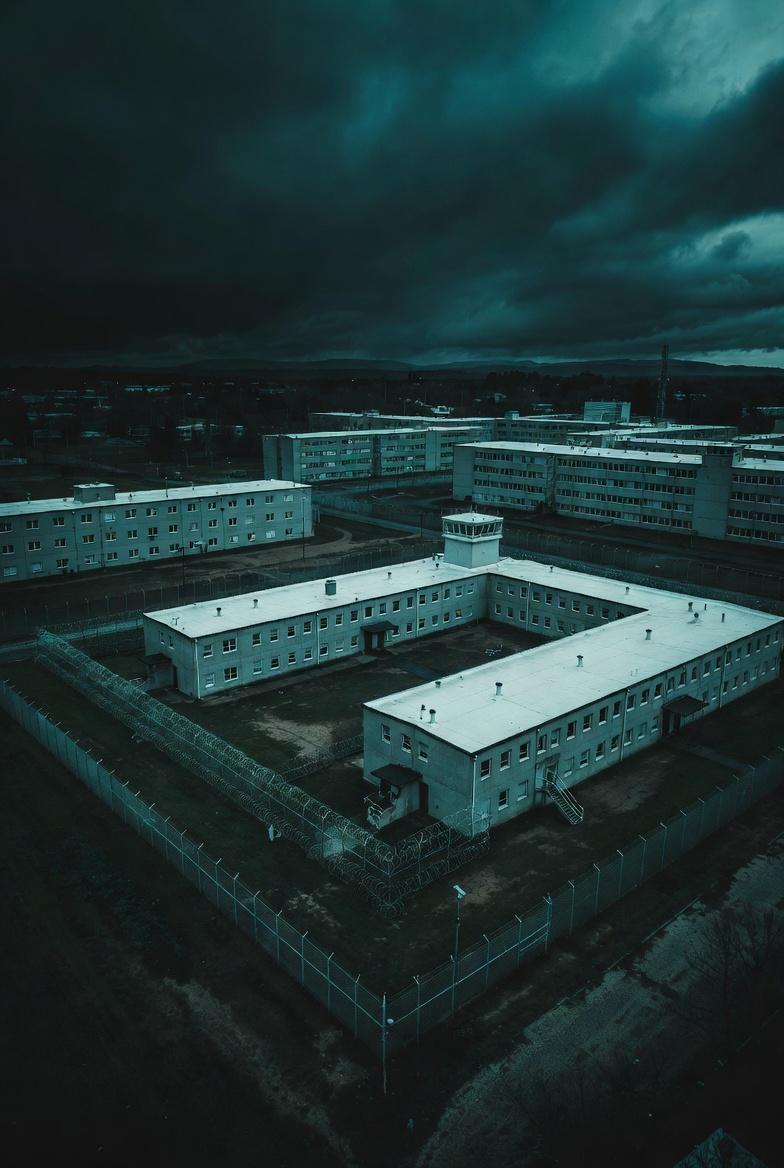
Great Falls Youth Transition Center is a medium security correctional facility located in Great Falls, Montana County, Montana. This facility operates under the Montana Department of Corrections and houses male offenders as part of the state's correctional system. The center is situated at 4212 3rd Avenue South in Great Falls, serving as an important component of Montana's youth offender transition and rehabilitation infrastructure. While specific details regarding current leadership and operational capacity are not publicly disclosed, the facility maintains medium security protocols appropriate for its designated population.
Families seeking information about loved ones at this Great Falls Montana correctional facility can perform a Great Falls Youth Transition Center inmate search through the Montana Department of Corrections database, schedule visits according to established guidelines, send money to Great Falls Youth Transition Center for commissary accounts, and access Great Falls Youth Transition Center arrest records. The facility's location in Great Falls makes it accessible for families traveling from across Montana County and surrounding regions to maintain contact with incarcerated individuals.
What sets Great Falls Youth Transition Center apart within Montana's correctional system is its specialized focus on youth offenders and transitional programming. Located in Great Falls, the facility serves as a bridge between secure confinement and community reintegration for younger male offenders in the Montana Department of Corrections system. Unlike traditional adult correctional facilities, this center emphasizes age-appropriate programming and transitional support designed specifically for younger populations. The medium security classification allows for a structured yet developmentally appropriate environment that balances supervision with opportunities for personal growth and skill development. Its location in Montana County provides access to community resources and support systems essential for successful reintegration, while serving youth offenders from across the state who require this specialized level of care and programming.
Great Falls Youth Transition Center houses male offenders within the medium security classification who are typically younger individuals navigating the correctional system. The population generally includes those who have been sentenced and are working toward reintegration into the community, though some may be awaiting court proceedings or transfers. Given the facility's transitional focus, many residents are serving sentences for property crimes, non-violent offenses, substance-related violations, and other charges common among younger offender populations. The facility may also house individuals who require special programming considerations related to age and developmental needs. Mental health and substance abuse issues are common among this demographic, and the facility typically provides targeted services to address these challenges. The population dynamics reflect Montana's broader correctional trends, with many individuals coming from communities across Montana County and surrounding areas throughout the state.
Living conditions at Great Falls Youth Transition Center are designed to meet the requirements of medium security housing while supporting the facility's transitional mission. Residents typically reside in dormitory-style housing units or semi-private cells, depending on individual classifications and behavioral status. The physical environment emphasizes structure and routine, with scheduled meal times in a common dining area where nutritionally balanced meals are provided three times daily. Recreational opportunities include access to an outdoor yard area and indoor common spaces where residents can engage in physical activity and socialization under staff supervision. Medical care is available through on-site health services staff who address routine health needs and coordinate specialty care when necessary. Mental health services are particularly emphasized given the population's age and developmental needs, with counseling and psychiatric support available. The facility maintains a formal grievance process allowing residents to address concerns about conditions, treatment, or facility operations through documented channels. Daily routines balance programming, work assignments, and personal time, creating an environment conducive to rehabilitation and preparation for community reentry.
Great Falls Youth Transition Center offers educational and rehabilitative programs tailored to younger offenders preparing for community reintegration. Educational opportunities include GED preparation and completion for those who have not finished high school, along with basic literacy and numeracy instruction for individuals requiring foundational academic support. Vocational training programs provide hands-on skill development in trades relevant to Montana's employment market, helping residents build marketable skills for post-release success. Substance abuse treatment is a cornerstone of programming, addressing the addiction issues that frequently contribute to criminal behavior among this population. Cognitive behavioral interventions help residents develop decision-making skills, anger management strategies, and prosocial thinking patterns. Faith-based programming offers spiritual support and moral development opportunities for interested participants. Reentry and reintegration services are particularly emphasized, given the facility's transitional focus, with case managers working individually with residents to develop comprehensive release plans addressing housing, employment, education, and community support connections throughout Montana County and beyond.
Work assignments at Great Falls Youth Transition Center provide residents with practical job skills and help maintain facility operations while teaching work ethic and responsibility. Common assignments include kitchen duties where residents assist with meal preparation and service, laundry operations that handle facility linens and clothing, maintenance tasks that keep buildings and grounds in good condition, and groundskeeping responsibilities that maintain the exterior environment. These work assignments are appropriate for the medium security classification and are supervised by correctional staff and civilian employees. Participation in work programs often earns residents institutional credits that can reduce time served or provide other benefits within the facility system. Beyond learning practical skills, these assignments help establish routine, teach accountability, and prepare younger offenders for employment expectations they will face upon release into Montana communities.
The establishment of Great Falls Youth Transition Center reflects Montana's evolving approach to managing younger offender populations and emphasizing rehabilitation over purely punitive measures. While the specific founding date of the facility is not widely documented, transition centers emerged as part of broader correctional reforms recognizing that younger offenders benefit from specialized programming distinct from traditional adult prison environments. Located in Great Falls at 4212 3rd Avenue South, the facility has served Montana County and the broader state by providing a structured transitional environment where younger individuals can develop skills and supports necessary for successful community reintegration. Over the years, the center has adapted its programming to address changing needs in substance abuse treatment, educational services, and reentry planning. Its role within the Montana Department of Corrections system continues to be significant as state policymakers and correctional administrators recognize the importance of age-appropriate interventions that reduce recidivism and support public safety through effective rehabilitation of younger offenders.
Great Falls Youth Transition Center visiting hours are established to allow families and approved visitors to maintain contact with residents while ensuring facility security and operational needs. Visitors must present valid government-issued photo identification upon arrival and comply with dress code requirements that typically prohibit revealing clothing, gang-related attire, and items resembling inmate clothing. The visitor registration process requires advance approval, with background checks conducted to ensure visitor suitability. Families should contact Great Falls Youth Transition Center directly to confirm current visiting hours, as schedules may vary by housing unit or change due to operational needs. During visits, all individuals pass through security screening including metal detectors and possible searches of personal belongings. Visitors should arrive early to allow time for processing and should familiarize themselves with facility rules regarding physical contact, approved items, and conduct expectations to ensure visits proceed smoothly and maximize quality time with their loved ones.
Families wishing to contact an inmate at Great Falls Youth Transition Center should use the proper Great Falls Youth Transition Center mailing address format to ensure mail delivery. Correspondence should be addressed with the inmate's full legal name, inmate identification number, followed by Great Falls Youth Transition Center, 4212 3rd Avenue South Great Falls, MT 59405. All incoming mail is subject to inspection for contraband and facility security purposes. Books, magazines, and educational materials typically must be sent directly from approved vendors or publishers rather than from individuals. Families can also maintain contact through phone services by setting up prepaid phone accounts or accepting collect calls, though rates and procedures vary. Some Montana Department of Corrections facilities offer email messaging or video visitation services, and families should inquire directly whether these options are available at Great Falls Youth Transition Center to supplement in-person visits and traditional mail correspondence.
Sponsored and Powered by our Partner TruthFinder
Quick Facts
Should I Be Concerned? — Family Guide
Great Falls Youth Transition Center operates as a medium security facility with zero reported staff assaults, indicating a relatively stable and secure environment. The facility's focus on youth transition and rehabilitation suggests structured programming designed to minimize incidents. Families visiting should expect standard security procedures including identification verification, visitor screening, and possible facility tours or orientation.
Neighborhood & Getting There
Great Falls Youth Transition Center is located in Great Falls, Montana, the state's third-largest city situated in central Montana along the Missouri River. The facility is approximately 90 miles northeast of Helena and serves as a regional hub for youth corrections services. The area offers basic hotel accommodations near the downtown corridor, with easy highway access via US-87. Visitors should plan for weather conditions typical of central Montana, with cold winters and moderate summers affecting travel times from surrounding regions.