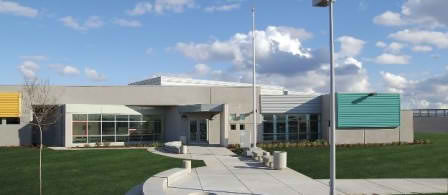
Fresno County Juvenile Justice Campus
County Jail | Fresno County — California | Fresno County California Probation Department
Fresno County Juvenile Justice Campus is a medium-security juvenile detention facility located in Fresno, Fresno County, California. Operated under the California Department of Corrections oversight, this facility serves both male and female youth offenders with a capacity of 300 beds. Under the leadership of Director Joy Thompson, the campus provides comprehensive juvenile justice services including detention, supervision, and rehabilitation programming tailored specifically for minors in the California correctional system. The facility addresses the complex needs of juvenile populations in Fresno County with age-appropriate interventions and educational opportunities.
Families seeking information about juveniles detained at this Fresno location can conduct a Fresno County Juvenile Justice Campus inmate search, verify Fresno County Juvenile Justice Campus visiting hours, send money to Fresno County Juvenile Justice Campus commissary accounts, and access Fresno County Juvenile Justice Campus arrest records. The facility's central Fresno location at 3333 East American Avenue makes it accessible for families traveling from throughout Fresno County and the surrounding Central Valley region.
Fresno County Juvenile Justice Campus stands out among California juvenile facilities as a modern campus-style detention center designed specifically for youth rehabilitation rather than traditional incarceration. Located in eastern Fresno near major transportation corridors, the facility emphasizes a holistic approach to juvenile justice that balances accountability with age-appropriate treatment and education. With its 300-bed capacity, the campus serves as the primary juvenile detention resource for Fresno County, one of California's most populous counties. The facility's campus design incorporates separate housing areas for different age groups and genders, creating safer environments that allow staff to tailor programming to developmental stages while maintaining medium-security protocols appropriate for the diverse youth population served.
The inmate population at Fresno County Juvenile Justice Campus consists of both male and female juveniles typically ranging from ages 12 to 18, though some cases may extend to young adults up to age 21 under California's extended juvenile court jurisdiction. The facility houses a mix of pre-adjudication youth awaiting court proceedings and post-adjudication youth serving committed time for various offenses including property crimes, substance-related violations, assault charges, and probation violations. Given Fresno County's diverse demographics, the campus population reflects varied socioeconomic and cultural backgrounds from urban Fresno and surrounding agricultural communities. Special populations include youth requiring mental health services, those with substance dependency issues, and juveniles needing protective separation due to safety concerns or gang affiliations prevalent in the Central Valley region.
Living conditions at Fresno County Juvenile Justice Campus are structured around age-appropriate housing units that separate juveniles by gender, age, and classification level. The medium-security facility utilizes both individual rooms and small-group dormitory settings designed to balance supervision with developmental needs. Youth receive three nutritionally balanced meals daily prepared in the facility kitchen, with menus accounting for dietary restrictions and cultural preferences. Daily schedules include designated recreation time in outdoor yards and indoor activity spaces, promoting physical health and positive peer interaction under staff supervision. Medical care is provided through on-site health services staffed by nurses and physicians, with emergency care protocols for urgent situations. Mental health services include individual counseling, group therapy, and crisis intervention, recognizing that many juveniles enter detention with trauma histories and behavioral health needs. Educational programming continues during detention to prevent academic regression. The facility maintains a formal grievance process allowing youth to address concerns about conditions, staff interactions, or program access through written submissions reviewed by administration.
Fresno County Juvenile Justice Campus offers comprehensive educational and rehabilitative programs designed to address the unique needs of the Fresno County juvenile population. Academic programs provide accredited education aligned with California state standards, enabling youth to earn credits toward high school graduation or prepare for GED testing. Vocational training opportunities expose juveniles to skilled trades and career pathways relevant to the Central Valley economy. Substance abuse treatment programs utilize evidence-based curricula addressing alcohol and drug dependency issues common among detained youth. Faith-based programming offers spiritual support and values-based counseling through partnerships with local religious organizations. Cognitive behavioral therapy groups help juveniles develop critical thinking skills, anger management techniques, and conflict resolution abilities essential for successful reintegration. Re-entry planning services connect youth and families with community resources, educational enrollment assistance, and transition support to reduce recidivism upon release back to Fresno neighborhoods.
Work assignments at Fresno County Juvenile Justice Campus provide juveniles with responsibility, work ethic development, and practical skills training appropriate for the medium-security setting. Youth may be assigned to kitchen duties assisting with meal preparation and service, laundry operations maintaining facility linens and clothing, maintenance tasks supporting facility upkeep under supervision, or grounds keeping responsibilities caring for outdoor campus areas. These assignments teach punctuality, teamwork, and job skills while contributing to daily operations. Participation in work programs may earn youth credits toward behavioral incentives or reduced restrictions within the facility's progressive privilege system, encouraging positive conduct and institutional adjustment during their time at the Fresno campus.
Fresno County Juvenile Justice Campus was established to modernize the county's approach to juvenile detention and replace outdated facilities that no longer met contemporary standards for youth rehabilitation. The campus reflects California's evolving juvenile justice philosophy emphasizing treatment, education, and community reintegration over purely punitive detention. Development of the East American Avenue site provided space for a comprehensive campus design incorporating separate housing units, educational facilities, recreation areas, and program spaces under a unified security perimeter. Over the years, the facility has adapted programming to address changing youth demographics and offense patterns in Fresno County, including increased focus on gang intervention, mental health treatment, and trauma-informed care. The campus currently serves as Fresno County's primary juvenile detention resource, playing a critical role in the California correctional system's handling of youthful offenders in the Central Valley region.
Families seeking to visit juveniles detained at Fresno County Juvenile Justice Campus should first confirm current visiting hours by contacting the facility directly, as schedules may vary by housing unit and individual case circumstances. Visitors must present approved government-issued photo identification such as a driver's license, state ID card, or passport during check-in. The facility enforces strict dress code restrictions prohibiting revealing clothing, gang-related apparel, or items resembling inmate clothing to maintain security and appropriate environments for youth. Prospective visitors typically must complete a registration process and gain approval before their first visit, which may include background screening. Scheduling visits in advance is often required, particularly for weekend time slots. Upon arrival at the Fresno facility, families should expect entry screening procedures including metal detection and possible property searches to ensure contraband does not enter the campus.
To send mail to a juvenile at Fresno County Juvenile Justice Campus, correspondents should use the correct mailing address format including the youth's full legal name, assigned identification number, facility name, and complete address: Fresno County Juvenile Justice Campus, 3333 East American Avenue, Fresno, CA 93725. All incoming mail undergoes inspection for contraband and prohibited materials before delivery to juveniles. Books and magazines typically must be sent directly from approved vendors or publishers rather than personal senders to comply with security protocols. Families can establish prepaid phone accounts allowing juveniles to place calls during designated hours, with rates and procedures available through the facility's telecommunications provider. Some California juvenile facilities offer email messaging or video visitation services, and families should inquire whether such technology-based communication options are currently available at this Fresno campus.
Sponsored and Powered by our Partner TruthFinder
Quick Facts
Should I Be Concerned? — Family Guide
Fresno County Juvenile Justice Campus maintains medium security protocols with zero reported staff assaults, indicating a managed and relatively stable environment. As a juvenile facility, the campus prioritizes rehabilitation and education alongside safety. When visiting, bring valid photo identification, confirm visiting hours in advance by calling the facility directly, and familiarize yourself with dress codes and security procedures to ensure a smooth visit.
Neighborhood & Getting There
The Fresno County Juvenile Justice Campus is located in east Fresno, approximately 3333 East American Avenue in Fresno County, California. The facility sits in the Central Valley region, about 220 miles north of Los Angeles and 175 miles southeast of the San Francisco Bay Area. The area offers highway access via Highway 99 and is approximately 20-30 minutes from downtown Fresno. Visitors will find hotels, restaurants, and services along major commercial corridors near Highway 99 and nearby surface streets.