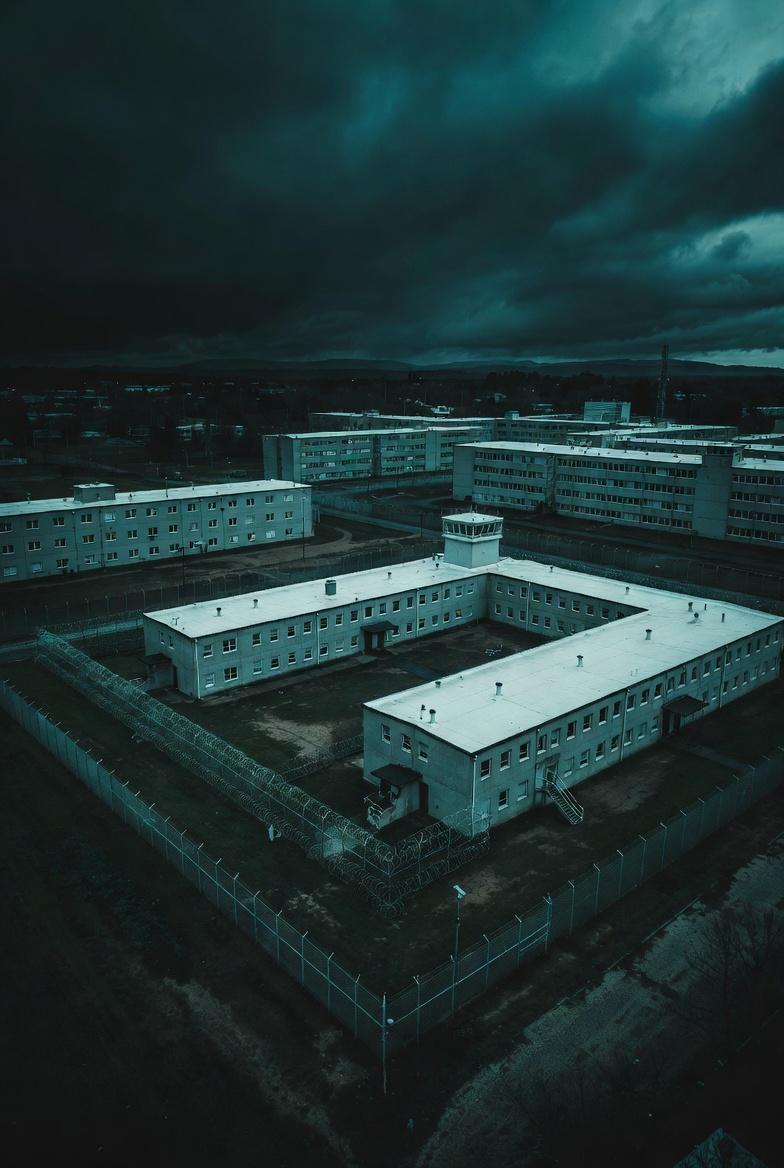
Federal Detention Center Honolulu
Federal Prison | Honolulu County — Hawaii
Federal Detention Center Honolulu is a federal correctional facility located at 351 Elliott Street in Honolulu, Hawaii, within Honolulu County. Opened in 2001, the facility operates under the Federal Bureau of Prisons and is currently managed by Warden Bobby L. Meeks. The detention center houses male inmates across all security classifications, from minimum to maximum security levels, serving both pre-trial detainees and sentenced federal offenders in the Pacific region.
Families seeking information about inmates at Federal Detention Center Honolulu can conduct inmate searches through federal databases, send money for commissary accounts, schedule approved visits, and access arrest records. Understanding the facility's specific procedures helps families maintain meaningful contact with their incarcerated loved ones while complying with federal detention regulations.
Federal Detention Center Honolulu holds a unique position as the only federal detention facility in the Hawaiian Islands, serving the entire Pacific federal judicial district. Its island location creates distinctive operational challenges, including limited transfer options and geographic isolation from mainland facilities. The facility manages the complexities of housing federal detainees awaiting trial in Honolulu's federal courts alongside sentenced inmates, often dealing with cases involving international maritime law, immigration violations, and interstate crimes that occur within the Pacific region. This Pacific outpost role means FDC Honolulu frequently houses inmates from various Pacific Island territories and manages coordination with federal courts across vast oceanic distances.
Federal Detention Center Honolulu houses a diverse male inmate population representing the unique federal caseload of the Pacific region. The facility holds pre-trial detainees awaiting federal court proceedings in Honolulu alongside sentenced federal inmates serving their terms or awaiting transfer to other Bureau of Prisons facilities. Offense types commonly include immigration violations, drug trafficking across Pacific shipping routes, white-collar crimes, interstate offenses, and violations of federal maritime law. The population reflects Hawaii's multicultural demographics and includes inmates from Pacific Island nations. The center manages inmates across all security classifications from minimum-security offenders to maximum-security detainees requiring heightened supervision. Special populations may include inmates requiring protective custody and those with specific medical needs.
Federal Detention Center Honolulu provides housing units organized by security classification and inmate status, with pre-trial detainees typically separated from sentenced populations. Inmates reside in cells or dormitory-style housing depending on their security level and behavioral record. The facility provides three meals daily prepared according to federal nutritional standards, with accommodations for religious dietary requirements and documented medical needs. Recreation opportunities include outdoor exercise yards and indoor recreation areas, though activities may be limited by security level and housing unit assignments. Medical services are available through the Bureau of Prisons health services division, addressing routine healthcare needs, chronic conditions, and emergency medical situations. Mental health professionals provide counseling and psychiatric services for inmates requiring psychological support. The facility maintains a formal grievance process allowing inmates to address concerns about conditions, staff conduct, or policy applications through administrative remedies. Hawaii's tropical climate influences facility operations, though inmates experience limited access to the island environment beyond designated outdoor recreation areas.
Federal Detention Center Honolulu offers educational programs including GED preparation and completion for inmates without high school diplomas, along with English as a Second Language classes serving the facility's diverse population. Adult continuing education opportunities may be available depending on inmate security level and length of stay. The facility provides substance abuse treatment programs through the Bureau of Prisons, addressing drug and alcohol dependencies that contributed to criminal behavior. Religious services accommodate multiple faith traditions, with chaplaincy services and volunteer religious groups providing spiritual support. Re-entry planning assists sentenced inmates preparing for release, though program availability may be limited for short-term detainees awaiting trial. Library services provide legal research materials essential for inmates preparing court cases, along with recreational reading materials. Program participation depends on security classification, behavioral record, and anticipated length of detention.
Inmates at Federal Detention Center Honolulu may be assigned work details that support facility operations and maintenance. Inside job assignments typically include food service positions in the kitchen and dining areas, janitorial duties maintaining housing units and common areas, laundry operations, and general facility maintenance tasks. These work assignments help offset operational costs while providing inmates with structured activity and, for sentenced inmates, potential opportunities to develop work skills. Work assignments are determined by security classification, behavioral record, and facility needs. Pre-trial detainees may have different work participation requirements than sentenced inmates. Participation in work programs is generally considered a privilege that can be revoked for disciplinary violations.
Federal Detention Center Honolulu was established in 2001 to address the federal government's need for a detention facility in the Pacific region. Prior to its opening, federal detainees in Hawaii required housing arrangements with local facilities or transport to mainland institutions, creating significant logistical and cost challenges. The facility's construction provided the Federal Bureau of Prisons with a dedicated presence in the Hawaiian Islands, centralizing federal detention operations for the District of Hawaii and surrounding Pacific territories. Since opening, the facility has served as the primary holding center for federal arrestees and detainees in the region, supporting the U.S. District Court for the District of Hawaii. The detention center operates under the leadership of Warden Bobby L. Meeks and continues to fulfill its mission as the federal system's Pacific outpost, managing the unique challenges of operating a federal facility in an island environment thousands of miles from mainland Bureau of Prisons headquarters.
Visitation at Federal Detention Center Honolulu requires advance approval through the Bureau of Prisons visitor application process. Prospective visitors must complete background checks and receive clearance before scheduling visits. All visitors must present valid government-issued photo identification upon arrival. The facility enforces strict dress code requirements prohibiting revealing clothing, certain colors, and items that resemble inmate uniforms. Visitors should expect security screening including metal detectors and possible pat-down searches. Visit scheduling procedures, available days, and times vary based on housing unit assignments and security classifications. Families traveling from neighbor islands or the mainland should contact the facility well in advance to confirm current visitation policies, scheduling procedures, and any special requirements. Visitation rules can change, so calling ahead prevents wasted trips and ensures compliance with current regulations.
Mail sent to inmates at Federal Detention Center Honolulu must include the inmate's full name and register number, followed by the facility address: Federal Detention Center, P.O. Box 30080, Honolulu, HI 96820. All incoming mail undergoes inspection for contraband and prohibited items. Books and magazines must typically be shipped directly from approved vendors or publishers rather than sent by individuals. Inmates can make telephone calls using their pre-established phone accounts, with collect calls or prepaid services available to approved numbers. Families should verify current phone provider arrangements and set up accounts to receive calls. Some federal facilities offer email communication through the Bureau of Prisons TRULINCS system, though families should confirm availability at FDC Honolulu specifically.
Sponsored and Powered by our Partner TruthFinder
Quick Facts
Should I Be Concerned? — Family Guide
Federal Detention Center Honolulu maintains a minimum to maximum security profile with no reported staff assaults, indicating effective safety management. The facility's record suggests a controlled environment suitable for family visits with appropriate precautions. Plan visits in advance by contacting the facility directly, arrive early, and follow all security protocols including ID verification and permitted item restrictions.
Neighborhood & Getting There
Located in downtown Honolulu on Elliott Street, this federal detention center is situated in Hawaii's vibrant capital city. The facility is accessible via major highways and is approximately 20 minutes from Honolulu International Airport. The area offers numerous hotels, restaurants, and services along Nimitz Highway and nearby downtown corridors. Visitors can find accommodation options ranging from budget to upscale properties within driving distance of the facility.