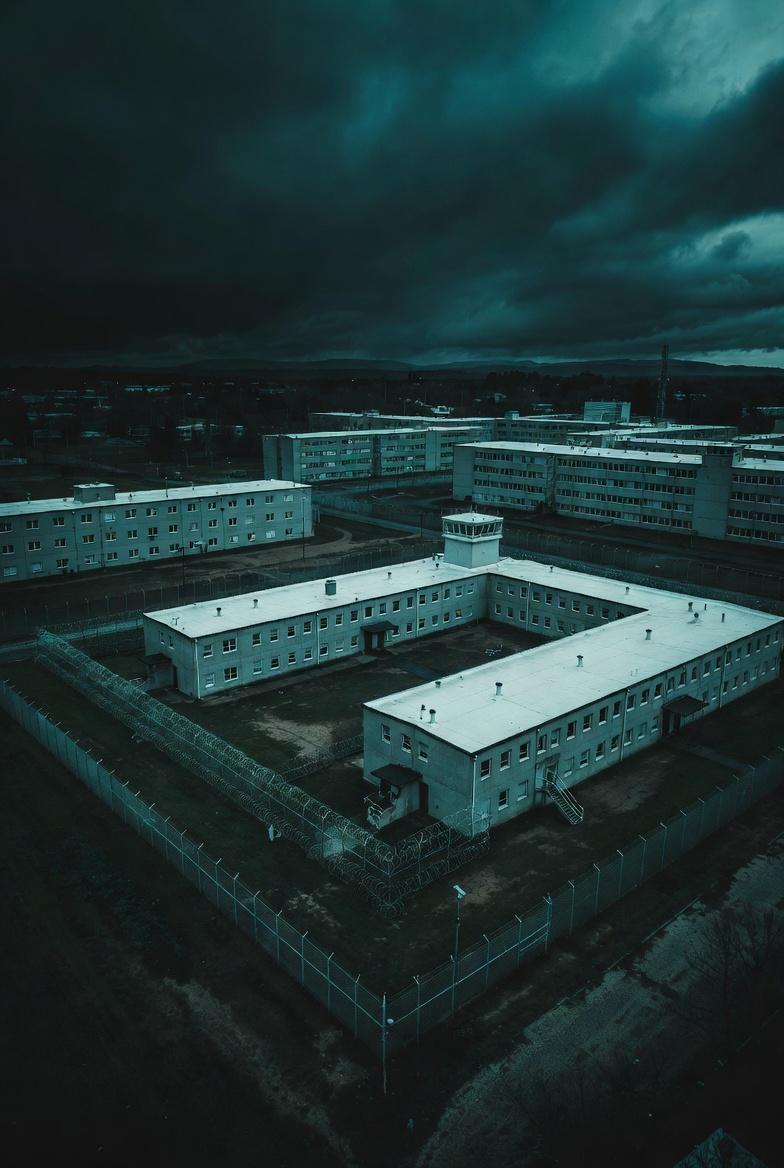
Faulkner County Juvenile Detention Center is located at 801 Locust Street in Conway, Arkansas, serving Faulkner County and surrounding areas in the central part of the state. Operating as a medium-security facility within the Arkansas Department of Corrections system, this detention center houses male juvenile offenders. The facility provides secure detention for youth who are awaiting court proceedings or serving sentences for various offenses committed while under eighteen years of age.
Families seeking information about juveniles housed at this Conway facility can conduct inmate searches through the Arkansas Department of Corrections system. Loved ones can arrange visits according to the center's juvenile visitation policies, send money to support their incarcerated youth, and access arrest records and case information. Understanding the facility's specific rules helps families maintain important connections during detention.
Faulkner County Juvenile Detention Center serves as one of Arkansas's county-operated juvenile facilities specifically focused on male youth offenders in the central region of the state. Its location in Conway, the county seat and home to several colleges, positions it within a community that balances educational resources with rural Arkansas characteristics. Unlike adult correctional facilities, this center operates with specialized protocols designed for adolescent development and rehabilitation. The facility's structure reflects juvenile justice principles that emphasize age-appropriate programming, education continuation, and family involvement throughout the detention period, distinguishing it from adult incarceration models used elsewhere in the Arkansas corrections system.
The juvenile population at Faulkner County Juvenile Detention Center consists exclusively of male youth offenders who have been charged with or convicted of offenses committed before reaching adulthood. The facility houses both pre-adjudication detainees awaiting court hearings and adjudicated youth serving sentences ordered by juvenile or family courts. Offense types range from status offenses and misdemeanors to more serious felony charges including property crimes, assault, drug-related offenses, and violations of probation. The population fluctuates based on court schedules and seasonal patterns in juvenile arrests. Some youth may be held for evaluation periods or while awaiting placement in specialized treatment programs. Classification considers factors including age, offense severity, behavioral history, and educational needs to determine appropriate housing and supervision levels within the facility.
Youth detained at Faulkner County Juvenile Detention Center reside in housing units designed specifically for juvenile populations, with supervision levels appropriate for adolescent offenders. Living quarters typically include dormitory-style or cell-based arrangements with beds, basic furnishings, and personal storage space. The facility provides three meals daily that meet nutritional requirements for growing adolescents, with considerations for dietary restrictions and medical needs. Recreation opportunities include both indoor and outdoor activities, recognizing the developmental importance of physical exercise for young people. Medical services address routine healthcare needs, injuries, and chronic conditions, with mental health professionals available to support youth dealing with trauma, behavioral issues, or emotional challenges common among detained juveniles. The facility maintains a grievance process allowing youth to formally address concerns about their treatment, conditions, or services. Daily schedules incorporate structured activities, education time, and supervised free periods appropriate for the juvenile population.
Educational programming forms the cornerstone of services at Faulkner County Juvenile Detention Center, as Arkansas law requires continued schooling for detained youth. Academic instruction helps students maintain grade-level progress or work toward GED completion for older juveniles. The facility offers behavioral counseling and life skills training to address the underlying issues that contributed to offending behavior. Substance abuse education and counseling programs serve youth with drug or alcohol involvement in their offenses or personal histories. Religious services and faith-based programming provide spiritual support for interested youth. Reentry planning begins early in detention, helping prepare juveniles for successful return to their families and communities. Programs emphasize accountability, decision-making skills, anger management, and positive peer relationships to reduce recidivism risk among young offenders transitioning back to freedom.
Work assignments at Faulkner County Juvenile Detention Center differ significantly from adult prison labor programs, focusing instead on teaching responsibility and basic work skills appropriate for adolescents. Youth may be assigned facility maintenance tasks including cleaning common areas, assisting with meal service, laundry duties, and general housekeeping responsibilities. These assignments teach punctuality, following instructions, and completing tasks to standards while maintaining the facility's daily operations. Unlike adult facilities, juvenile centers typically do not operate prison industries or outside work crews. Any work activities emphasize skill-building and structured routine rather than production goals, with assignments matched to individual youth capabilities and treatment plans.
Faulkner County Juvenile Detention Center was established to provide secure detention for youth offenders in one of Arkansas's fastest-growing counties. Conway's position as a regional hub in central Arkansas made it a logical location for a juvenile facility serving surrounding communities. The facility developed in response to juvenile justice reforms emphasizing local detention options rather than transporting youth long distances for secure placement. Over the years, the center has adapted to changing juvenile justice philosophies, incorporating more rehabilitative programming alongside secure custody functions. The facility reflects Arkansas's evolving approach to youth offenders, balancing public safety concerns with recognition that adolescents have greater potential for rehabilitation than adult offenders. Today, Faulkner County Juvenile Detention Center continues serving as an important component of the county's juvenile justice system, providing secure detention while youth proceed through court processes or serve court-ordered sentences.
Visitation at Faulkner County Juvenile Detention Center follows protocols designed specifically for juvenile facilities, emphasizing family contact as crucial for youth development and successful reentry. Visitors must bring valid government-issued photo identification and typically undergo approval processes before visits. Dress codes prohibit clothing resembling institutional uniforms, revealing attire, or items with inappropriate graphics. Family members should expect to follow rules stricter than public settings but designed to protect youth welfare. Visitation schedules for juvenile facilities may differ from adult jails, potentially including weekday afternoon hours to accommodate school schedules. Contact visits or non-contact visits depend on facility policy and individual youth status. Families should call the facility ahead of time to verify current visitation days, hours, registration requirements, and any special rules specific to visiting juvenile detainees.
Mail sent to youth at Faulkner County Juvenile Detention Center should be addressed with the juvenile's full legal name, followed by the facility address at 801 Locust Street Conway, AR 72032. All incoming mail undergoes inspection for prohibited items and contraband before delivery to juveniles. Correspondence policies for juvenile facilities often have additional restrictions protecting young people from inappropriate content. Books and educational materials may need to come from approved vendors rather than personal senders. Phone privileges allow youth to maintain family contact, though systems typically require prepaid accounts established by family members. Families should contact the facility directly to learn about phone account setup procedures and any available electronic communication options for staying connected with detained youth.
Sponsored and Powered by our Partner TruthFinder
Quick Facts
Should I Be Concerned? — Family Guide
Faulkner County Juvenile Detention Center maintains medium security standards with zero reported staff assaults, indicating a relatively stable operational environment. The facility focuses on juvenile rehabilitation rather than adult custody, which typically emphasizes structured programming and supervision. When visiting, expect standard security procedures including identification checks, property restrictions, and scheduled visitation times to ensure safety for all visitors and residents.
Neighborhood & Getting There
Located in Conway, Arkansas, Faulkner County Juvenile Detention Center sits in the county seat approximately 30 miles north of Little Rock in central Arkansas. Conway is a college town home to the University of Central Arkansas and offers standard highway access via Interstate 40. The area features typical small-city amenities including hotels, restaurants, and services along Conway's main corridors. Visitors from the Little Rock metropolitan area can reach the facility in approximately 45 minutes via I-40 East.