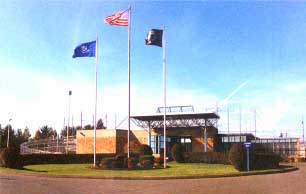
Enfield Correctional Institution
State Prison | Hartford County — Connecticut | Connecticut DOC
Enfield Correctional Institution is a Level 3 medium-security facility located at 289 Shaker Road in Enfield, Hartford County, Connecticut. Opened in 1960, this Connecticut Department of Corrections facility houses male inmates and operates under the leadership of Warden Anne Cournoyer. With a current population of 722 inmates and a total capacity of 730, Enfield serves as a significant component of Connecticut's correctional system for medium-security offenders.
Families seeking information about inmates at Enfield Correctional Institution can search arrest records and inmate rosters through the Connecticut Department of Corrections. The facility provides multiple ways for families to stay connected, including scheduled visitation, phone systems, and mail correspondence. Families can also send money to inmates for commissary purchases and other approved expenses through authorized vendors.
Enfield Correctional Institution stands out in Connecticut's prison system as one of the state's older continuously operating medium-security facilities, having served the correctional needs of the state since 1960. Located on Shaker Road in northern Connecticut near the Massachusetts border, the facility occupies a strategic position within the state's correctional network. As a Level 3 medium-security institution, Enfield fills a critical role by housing inmates who require more supervision than minimum-security facilities provide but do not necessitate maximum-security restrictions. The facility's location in Hartford County allows for reasonable access for families visiting from both Connecticut's urban centers and the surrounding rural communities of the Connecticut River Valley region.
Enfield Correctional Institution houses 722 male inmates classified at the Level 3 medium-security designation. The population consists primarily of sentenced offenders who have been convicted of felony crimes ranging from property offenses and drug-related charges to more serious violent crimes that do not require maximum-security placement. As a medium-security facility, Enfield typically does not house pre-trial detainees, focusing instead on serving sentenced inmates who are working through their incarceration period. The classification process considers factors including criminal history, institutional behavior, sentence length, and security risk when placing inmates at Enfield. The facility may house general population inmates as well as those participating in specialized programming designed to address criminogenic needs and prepare for eventual reintegration into Connecticut communities.
Inmates at Enfield Correctional Institution are housed in various configurations appropriate for medium-security classification, including cell blocks and dormitory-style housing units depending on their individual classification and behavior. The facility provides three meals daily prepared in accordance with nutritional standards and accommodating medical and religious dietary requirements when documented. Recreation opportunities include outdoor yard time, indoor recreation areas, and access to exercise equipment during designated periods based on housing unit schedules and security considerations. Medical services are available through the facility's health services unit, which provides routine care, sick call, chronic disease management, and emergency medical response. Mental health services include screening, crisis intervention, and ongoing treatment for inmates with diagnosed mental health conditions. Inmates with grievances about conditions or treatment can utilize the formal grievance process established by the Connecticut Department of Corrections, which provides a structured method for addressing concerns through institutional and departmental review channels.
Enfield Correctional Institution offers educational programming for inmates who have not completed their high school education, including GED preparation and testing opportunities to help inmates earn their high school equivalency credential. Vocational training programs provide inmates with marketable job skills in various trades to improve employment prospects upon release. Substance abuse treatment programs address addiction issues through group counseling, educational sessions, and therapeutic communities designed to support recovery and reduce recidivism. Religious services and spiritual counseling are available through chaplaincy programs that accommodate multiple faith traditions. Re-entry programming helps inmates prepare for release by addressing practical concerns such as housing, employment planning, family reunification, and community resource connections. These programs aim to reduce recidivism by equipping inmates with the tools and support systems necessary for successful community reintegration.
Inmates at Enfield Correctional Institution participate in various work assignments that support facility operations and provide vocational experience. Inside work details include food service positions in the kitchen and dining areas, maintenance crews responsible for facility upkeep and repairs, janitorial assignments maintaining cleanliness throughout housing units and common areas, and laundry operations. Some inmates may work in administrative support roles or institutional industries depending on their classification, skills, and behavior history. These work assignments help maintain the facility's daily operations while providing inmates with work experience, skills development, and the opportunity to earn modest wages that can be used for commissary purchases or saved for release.
Enfield Correctional Institution was established in 1960 as part of Connecticut's expansion of its correctional system during a period of increasing incarceration needs. Located on Shaker Road in Enfield, the facility was constructed to provide additional medium-security bedspace for male inmates in the northern part of the state. Over the decades since its opening, Enfield has adapted to changing correctional philosophies and population pressures while maintaining its core mission as a medium-security institution. The facility has undergone various modifications and updates to infrastructure, security systems, and programming spaces to meet evolving standards and operational requirements. Under Warden Anne Cournoyer's leadership, Enfield continues to serve as a significant component of Connecticut's correctional network, currently housing 722 inmates near its 730-inmate capacity and providing custody, programming, and services designed to promote public safety and inmate rehabilitation.
Visitation at Enfield Correctional Institution requires all visitors to be approved in advance through the Connecticut Department of Corrections visitor application process. Visitors must present valid government-issued photo identification upon arrival and comply with the facility's dress code, which prohibits revealing clothing, certain colors, and items that resemble inmate attire. Scheduling procedures and visiting hours vary, so families should contact the facility directly before planning their visit to confirm current schedules and any special requirements. Children must be accompanied by a parent or legal guardian. All visitors are subject to search procedures, and the facility may restrict or deny visits based on security concerns or rule violations. Items that can be brought into the visiting area are strictly limited, and visitors should review the complete visitation policies before their first visit.
Mail to inmates at Enfield Correctional Institution should be addressed with the inmate's full name and identification number, followed by Enfield Correctional Institution, 289 Shaker Road POB 1500, Enfield, CT 06082. All incoming mail is subject to inspection according to facility policies, and certain items are prohibited. Books, magazines, and publications must typically be sent directly from approved vendors or publishers rather than from individuals. Inmates can make phone calls to approved numbers through the facility's telephone system, which requires families to establish prepaid phone accounts with the authorized provider. Families should check with the Connecticut Department of Corrections regarding any available electronic messaging systems or email services that may provide additional communication options.
Sponsored and Powered by our Partner TruthFinder
Quick Facts
Should I Be Concerned? — Family Guide
Enfield Correctional Institution maintains a stable environment with zero reported staff assaults and operates at near-capacity levels, indicating good operational control. As a medium-security facility, it balances inmate movement with appropriate supervision. Visitors should expect standard security procedures including searches and identification checks; plan visits during designated hours and follow all facility rules to ensure a safe experience.
Neighborhood & Getting There
Enfield is located in Hartford County in north-central Connecticut, approximately 15 miles north of Hartford and 25 miles south of the Massachusetts border. The facility sits in a semi-rural area with easy access via Route 91 and Route 186. Hartford-Brainard Airport is roughly 20 miles south. The region offers various hotel options in nearby Enfield and Windsor along the I-91 corridor for visiting families.