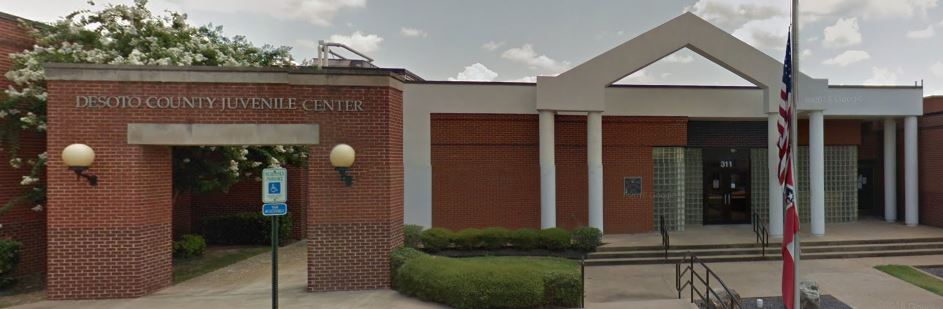
DeSoto County Juvenile Detention Center
State Prison | Desoto County — Mississippi | DeSoto County Mississippi Sheriff's Department
The DeSoto County Juvenile Detention Center is a minimum security juvenile facility located at 311 W. South St. in Hernando, Mississippi. Operating under the Mississippi Department of Corrections oversight, this facility houses both male and female youth offenders. With a maximum capacity of 40 beds, the center is led by Director Stephanie Davis and serves DeSoto County's juvenile justice needs. The facility provides secure detention for youth awaiting court proceedings or serving short-term commitments in Mississippi's fastest-growing county.
Families seeking information about detained juveniles can access inmate search resources through county systems. Visiting detained youth, sending financial support, and understanding arrest records requires navigating specific juvenile justice procedures. Contacting facility staff directly helps families understand their loved one's status and available support services during detention.
The DeSoto County Juvenile Detention Center serves one of Mississippi's most rapidly expanding suburban areas, located just south of Memphis, Tennessee. DeSoto County has experienced significant population growth over the past two decades, making this facility essential for addressing juvenile justice needs in a transitioning community. The center's position within commuting distance of Memphis creates unique challenges, as youth from families who have relocated from urban areas to suburban Hernando require services addressing both rural and metropolitan influences. This demographic diversity requires staff to understand various cultural backgrounds and family structures while maintaining security protocols appropriate for minimum-security juvenile detention.
The DeSoto County Juvenile Detention Center houses male and female juveniles typically ranging from ages twelve to seventeen. The population includes youth detained pre-adjudication while awaiting court hearings, those serving post-adjudication commitments for misdemeanors and some felony offenses, and juveniles held on transfer holds awaiting placement in other facilities. Common offenses include property crimes, drug-related charges, assault, probation violations, and truancy-related issues. The facility occasionally houses youth requiring temporary secure detention due to family emergencies or placement disruptions. Given DeSoto County's suburban character and proximity to Memphis, the population reflects mixed socioeconomic backgrounds, with some youth from affluent families alongside those from economically disadvantaged circumstances. Gender-specific programming addresses the distinct needs of male and female juveniles within the shared facility.
Youth at the DeSoto County Juvenile Detention Center reside in secure housing units designed for juvenile populations, with separate accommodations for male and female detainees. The facility provides three daily meals meeting nutritional standards for growing adolescents, with accommodations for dietary restrictions and medical needs. Recreation opportunities include outdoor physical activity time and indoor recreation areas where youth can engage in structured activities under supervision. Medical services address routine healthcare needs, with arrangements for emergency care and specialist consultations as required. Mental health services provide assessment and counseling, recognizing that many detained youth face emotional and behavioral challenges requiring professional intervention. Educational services continue during detention to minimize academic disruption. Juveniles have access to a grievance process allowing them to report concerns about treatment, conditions, or services. Staff maintain supervision appropriate for minimum security juvenile detention, balancing safety with developmentally appropriate interaction.
Educational programming at the DeSoto County Juvenile Detention Center ensures youth continue academic progress during detention, with instruction aligned to Mississippi educational standards. Teachers work with youth at various grade levels, providing individualized attention often unavailable in traditional school settings. The facility emphasizes life skills training, teaching decision-making, conflict resolution, and anger management techniques. Substance abuse education addresses drug and alcohol issues common among justice-involved youth, helping them understand addiction and recovery. Counseling services tackle underlying behavioral and emotional issues contributing to delinquency. Religious services and spiritual counseling are available for youth and families seeking faith-based support. Re-entry preparation helps youth transition back to community schools and family life, connecting them with community resources and support systems that can reduce recidivism and promote positive development.
Youth detained at the DeSoto County Juvenile Detention Center participate in structured daily routines including facility maintenance responsibilities appropriate for their age and developmental level. These work assignments teach responsibility and basic job skills while maintaining facility cleanliness and order. Juveniles may assist with housekeeping tasks in common areas, meal service preparation and cleanup, and grounds maintenance under supervision. Unlike adult facilities, juvenile detention centers emphasize skill-building and responsibility rather than labor production. Work assignments are educational in nature, helping youth develop work ethics and routines beneficial upon release. The facility does not participate in industrial prison labor programs given its juvenile population and minimum security classification.
The DeSoto County Juvenile Detention Center was established in 2007 to address growing juvenile justice needs in one of Mississippi's fastest-developing counties. Prior to this facility's opening, DeSoto County youth requiring secure detention were transported to facilities in other counties, creating logistical challenges for families and courts. The center's construction reflected DeSoto County's dramatic population growth during the early 2000s as families migrated from Memphis and other areas seeking suburban living. Built with a forty-bed capacity, the facility incorporated modern juvenile justice principles emphasizing rehabilitation alongside security. Over its operational history, the center has adapted programming to address changing youth needs, including increased focus on mental health services and substance abuse treatment. Director Stephanie Davis currently leads facility operations, maintaining standards consistent with Mississippi juvenile justice requirements while serving a diverse county population.
Visitation at the DeSoto County Juvenile Detention Center allows families to maintain contact with detained youth, supporting positive outcomes during and after detention. Visitors must present valid government-issued photo identification and typically undergo approval processes before visits. Dress code requirements prohibit revealing clothing, gang-related items, and attire resembling facility uniforms. Visitation schedules vary based on facility operations and individual youth status, with separate times often designated for male and female populations. Families should understand that juvenile facilities maintain stricter supervision than many adult facilities due to the developmental needs and vulnerabilities of youth. Visits occur in designated areas under staff observation. Families should contact the facility directly before traveling to confirm current visitation schedules, specific rules, and any restrictions related to individual cases or facility operations.
Families can correspond with youth detained at the DeSoto County Juvenile Detention Center by addressing mail to the juvenile's full name, followed by the facility address at 311 W. South St., Hernando, MS 38632. All incoming mail undergoes inspection for contraband and prohibited materials. Facilities typically restrict publications to those sent directly from approved vendors or publishers to prevent unauthorized materials from entering. Families should verify current policies regarding reading materials, as juvenile facilities often have specific guidelines. Phone privileges allow youth to maintain family contact, with calls typically made collect or through prepaid phone accounts established by families. Communication policies balance security needs with the developmental importance of family contact for juveniles. Families should contact facility staff to understand specific communication procedures, restrictions, and available options for staying connected during detention.
Sponsored and Powered by our Partner TruthFinder
Quick Facts
Should I Be Concerned? — Family Guide
DeSoto County Juvenile Detention Center operates as a minimum security facility with a zero staff assault record, indicating a stable safety environment. With a 40-bed capacity and unknown current occupancy, conditions appear manageable. When visiting, arrive during posted hours, bring valid identification, and follow all facility rules regarding permitted items and conduct.
Neighborhood & Getting There
DeSoto County Juvenile Detention Center is located in Hernando, Mississippi, the county seat of DeSoto County in northwest Mississippi. Hernando sits approximately 25 miles south of Memphis, Tennessee, offering easy highway access via US-51. The area is primarily rural with commercial development along main corridors. Visitors from Memphis can reach the facility in 30-40 minutes. Limited hotel options exist in Hernando; most visitors utilize Memphis accommodations on I-40.