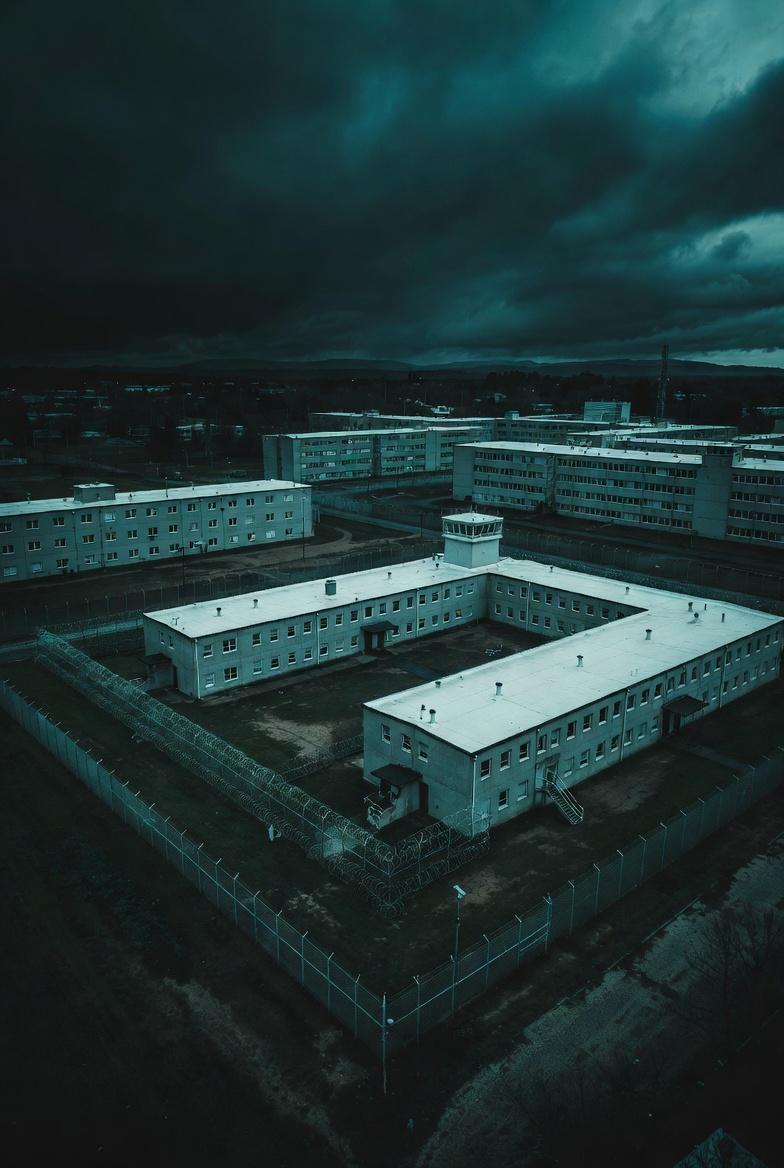
CDCR - McFarland Female Community Reentry Facility (FCRF)
State Prison | California County — California
The McFarland Female Community Reentry Facility (FCRF) is a medium-security institution operated by the California Department of Corrections and Rehabilitation (CDCR) located at 120 Taylor Road in McFarland, Kern County, California. Despite its name indicating a female facility, current records show it houses male inmates. The facility focuses on community reentry preparation, offering programs designed to help incarcerated individuals transition back into society upon release.
Families seeking information about inmates at McFarland FCRF can search for arrest records and booking information through CDCR resources. The facility accepts mail at the Taylor Road address and provides opportunities for family visits. Loved ones can also send money to inmate accounts to support their needs during incarceration and reentry preparation.
McFarland Female Community Reentry Facility stands apart from other CDCR institutions due to its specialized focus on community reintegration programming. As a reentry facility, it emphasizes preparing inmates for successful return to their communities through intensive transitional services. The facility's location in McFarland, a small agricultural community in Kern County, provides a less institutional atmosphere compared to larger state prisons. This setting allows for a structured environment that bridges the gap between incarceration and freedom, helping participants develop practical skills and community connections essential for post-release success.
McFarland FCRF houses inmates who have been selected for community reentry programming based on their proximity to release dates and assessed readiness for transition. The population typically consists of sentenced individuals rather than pre-trial detainees, as the facility's mission centers on reintegration preparation. Inmates at this medium-security facility have generally demonstrated appropriate institutional behavior and commitment to rehabilitation. The classification process evaluates criminal history, sentence length, and program needs to determine suitability for placement. While the facility name suggests female housing, current documentation indicates it serves male inmates participating in reentry programs designed to reduce recidivism through structured transition support.
Living conditions at McFarland FCRF are structured to simulate community living while maintaining security protocols appropriate for a correctional environment. Inmates are housed in dormitory-style or smaller unit configurations that promote accountability and peer support during the reentry process. Daily schedules include structured meal times in dining facilities, with food service meeting CDCR nutritional standards. Recreation opportunities allow inmates to maintain physical fitness and social connections, which are important components of successful reintegration.
Medical services are available on-site for routine healthcare needs, with more serious conditions referred to appropriate medical facilities. Mental health services support inmates dealing with anxiety, depression, and other challenges related to incarceration and upcoming release. The facility maintains a formal grievance process allowing inmates to address concerns about conditions, staff interactions, or program access through established CDCR procedures, ensuring accountability and responsiveness to resident needs.
McFarland FCRF offers comprehensive programming focused on successful community reentry. Educational opportunities include GED preparation and completion for inmates lacking high school credentials, as well as adult basic education classes. Vocational training programs teach marketable skills that improve employment prospects upon release. Substance abuse treatment addresses addiction issues that often contribute to criminal behavior, using evidence-based curricula and counseling approaches. Religious and spiritual services provide faith-based support for inmates seeking guidance during their transition.
The core focus remains reentry programming that covers practical life skills including job search techniques, resume writing, interview preparation, financial literacy, housing assistance, and family reunification strategies. Participants work with case managers to develop individualized reentry plans addressing their specific challenges and goals for successful community integration.
Work assignments at McFarland FCRF serve both operational needs and skill development purposes. Inside job assignments include food service, facility maintenance, laundry operations, and custodial duties that keep the institution functioning while teaching workplace responsibility. Inmates may also work in administrative support roles or program assistance positions. Given the facility's reentry focus, work assignments often emphasize developing employment skills and work habits that transfer directly to community jobs. Some participants may be eligible for outside work crews or community service assignments that provide supervised experience working beyond the facility perimeter, building confidence and demonstrating trustworthiness as release dates approach.
The McFarland Female Community Reentry Facility was established as part of California's broader commitment to reducing recidivism through specialized reentry programming. While the exact founding date is not documented in available records, the facility represents CDCR's recognition that successful transitions from incarceration to community require dedicated programming and support. The facility's location in McFarland was selected to provide space for reentry-focused operations in a less urban setting.
Despite its name indicating it was designed for female inmates, current facility records show it houses male inmates, suggesting operational changes occurred at some point in its history. The facility continues serving its core mission of community reintegration preparation within California's correctional system, adapting programs to meet changing needs and incorporating evidence-based practices proven to reduce recidivism and support successful reentry outcomes.
Visitation at McFarland FCRF provides important family connections during the reentry preparation period. All visitors must be approved through CDCR's visitor application process before their first visit, which includes background screening. Visitors must present valid government-issued photo identification upon arrival. Dress code requirements prohibit clothing that resembles inmate attire or is overly revealing, and specific color restrictions may apply.
Families should contact the facility directly before planning visits to confirm current visiting hours, scheduling procedures, and any special requirements. Visitation schedules may vary based on housing assignments and program participation. Understanding and following all visitation rules ensures smooth visits that strengthen family bonds critical to successful reentry. Approved visitors should arrive early to allow time for processing through facility security.
To mail an inmate at McFarland FCRF, address correspondence with the inmate's full legal name, CDCR number, facility name, and address: 120 Taylor Road McFarland, CA 93250-0637. All incoming mail is inspected according to CDCR regulations. Families may send books and magazines directly from approved vendors only. Inmates can typically make outgoing phone calls through prepaid collect calling accounts that families establish with the facility's telephone service provider.
Money can be deposited into inmate trust accounts through approved methods to help loved ones purchase commissary items and personal necessities. Families should verify current policies regarding electronic messaging or email services by contacting the facility directly, as these services continue expanding throughout CDCR institutions.
Sponsored and Powered by our Partner TruthFinder
Quick Facts
Should I Be Concerned? — Family Guide
CDCR - McFarland Female Community Reentry Facility (FCRF) maintains a medium-security classification with zero reported staff assaults, indicating a relatively safe operational environment. As a specialized reentry facility, it focuses on rehabilitation and community preparation rather than high-security confinement. For visitors, plan ahead by verifying current visiting hours and procedures with the facility directly, as schedules for medium-security women's facilities can vary.
Neighborhood & Getting There
McFarland is located in Kern County in California's San Joaquin Valley, approximately 35 miles north of Bakersfield and 120 miles north of Los Angeles. The rural agricultural community offers limited commercial amenities nearby, with most services and lodging available in Bakersfield, roughly 45 minutes away. Highway 99 provides primary access, with modest gas stations and small restaurants scattered through the area. Visitors should plan for rural driving conditions and bring essentials.