Tucker Unit
State Prison — Arkansas | Arkansas Department of Corrections
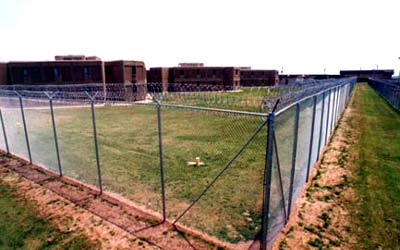
Tucker Unit is located at 2400 State Farm Road in Tucker, Arkansas, and operates under the jurisdiction of the Arkansas Department of Corrections. This facility houses both male and female inmates at medium to maximum security levels with a capacity of 1,126 offenders. The unit sits in an unincorporated area of Jefferson County and serves as one of Arkansas's older correctional facilities.
Families seeking information about inmates at Tucker Unit can use JailData.com to search inmate records and access arrest information. Our resources help you locate your loved one, understand how to send money to their account, schedule visits, and navigate the Arkansas correctional system during this challenging time.
Tucker Unit stands apart as one of the few Arkansas Department of Corrections facilities housing both male and female inmates under different custody classifications ranging from medium to maximum security. This dual-gender operation requires specialized housing units and distinct programming to serve diverse inmate populations. The facility's location on State Farm Road reflects its agricultural heritage, as the site originally functioned as part of Arkansas's prison farm system that characterized the state's approach to corrections during much of the twentieth century.
Tucker Unit confines both male and female offenders serving sentences in the Arkansas Department of Corrections system. The facility manages inmates classified at medium and maximum security levels based on criminal history, sentence length, and institutional behavior. The population includes individuals convicted of violent offenses, property crimes, drug-related violations, and repeat offenders requiring higher custody supervision. While Tucker primarily houses sentenced inmates serving determinate or indeterminate terms, the classification system ensures appropriate placement based on security needs and rehabilitation potential. Special management is provided for inmates with disciplinary issues or those requiring protective custody arrangements within the maximum security sections of the facility.
Tucker Unit maintains housing configurations appropriate to its security classifications, with maximum security inmates residing in more restrictive cellblock arrangements while medium security offenders may be housed in dormitory-style barracks. Inmates receive three daily meals prepared according to Arkansas Department of Corrections nutritional standards. Recreational opportunities vary by security level and may include outdoor yard time, indoor recreation areas, and access to dayrooms when behavior permits. The facility provides medical services through on-site healthcare staff who address routine medical needs, chronic disease management, and emergency care, with serious cases transferred to outside hospitals. Mental health services are available for inmates experiencing psychological distress or requiring psychiatric medication management. Tucker Unit maintains a formal grievance system allowing inmates to report concerns about conditions, staff conduct, or policy violations through written documentation reviewed by administrative personnel.
Tucker Unit offers educational programming including adult basic education and GED preparation classes for inmates lacking high school credentials. Vocational training opportunities prepare offenders for post-release employment in various trades depending on facility resources and instructor availability. Substance abuse treatment programs address addiction issues through group counseling and therapeutic community models for inmates with documented chemical dependency histories. Religious services accommodate multiple faith traditions with regular worship opportunities and pastoral visits from community volunteers. Re-entry preparation assists inmates nearing release with transition planning, including documentation assistance, employment readiness, and community resource connections to reduce recidivism risk upon return to society.
Inmates at Tucker Unit participate in various work assignments that maintain facility operations and provide job skills training. Inside work details include kitchen operations, janitorial services, laundry facilities, and maintenance crews that keep the institution functioning daily. Some offenders work in administrative capacities assisting with clerical tasks under staff supervision. The facility's agricultural heritage continues through farming operations where inmates may work in field crews cultivating crops on prison property, reflecting Arkansas's historical reliance on inmate agricultural labor as part of its corrections philosophy.
Tucker Unit was established in 1916 as part of Arkansas's prison farm system during an era when agricultural labor by inmates characterized Southern corrections. The facility operated for decades under conditions that later drew scrutiny and legal challenges regarding inmate treatment and constitutional standards. Federal court intervention in the 1960s and 1970s brought significant reforms to Arkansas prisons, including Tucker Unit, requiring improvements to living conditions, medical care, and elimination of certain practices. The facility has undergone multiple expansions and renovations over its century-plus existence to meet changing correctional standards and security requirements. Today, Tucker Unit functions as a medium to maximum security institution within the modernized Arkansas Department of Corrections system, maintaining its historical location while serving contemporary correctional purposes.
Visitation at Tucker Unit requires advance approval through the Arkansas Department of Corrections visitor application process. All visitors must present valid government-issued photo identification upon arrival and comply with dress code requirements that prohibit revealing or provocative clothing, certain colors, and items that resemble inmate attire. Visitors should expect to pass through security screening including metal detectors and possible searches of personal belongings. Visitation schedules vary based on inmate housing assignments and security classifications, with specific days and times designated for different units within the facility. Families should contact Tucker Unit directly before traveling to confirm current visitation policies, scheduling procedures, and any temporary restrictions that may affect visiting opportunities.
Mail sent to inmates at Tucker Unit should include the inmate's full legal name, Arkansas Department of Corrections identification number, and the facility mailing address: PO Box 240, Tucker, AR 72168-0240. All incoming correspondence is subject to inspection for contraband and prohibited content. Books and publications must come directly from approved vendors or publishers rather than personal sources. Inmates can receive phone privileges through prepaid telephone accounts that families can fund, allowing collect or debit calls depending on the system used. Families should verify current policies regarding electronic messaging or email systems that may be available through third-party vendors contracted by the Arkansas Department of Corrections.
Sponsored and Powered by our Partner TruthFinder
Quick Facts
Should I Be Concerned? — Family Guide
Tucker Unit's medium-maximum security classification indicates moderate to higher custody needs with robust security infrastructure. With zero reported staff assaults and unknown current occupancy, the facility maintains operational stability for visitor interactions. Plan visits during designated hours, follow all security protocols, and expect thorough screening procedures at entry points.
Neighborhood & Getting There
Tucker Unit is located in rural Arkansas, approximately 30 miles northeast of Little Rock in a sparsely populated county area. The facility sits on State Farm Road with limited nearby commercial development. Little Rock offers the nearest hotels, restaurants, and services—roughly 45 minutes driving time via Highway 67. The region is characterized by farmland and small communities, with minimal highway congestion for visitor access.