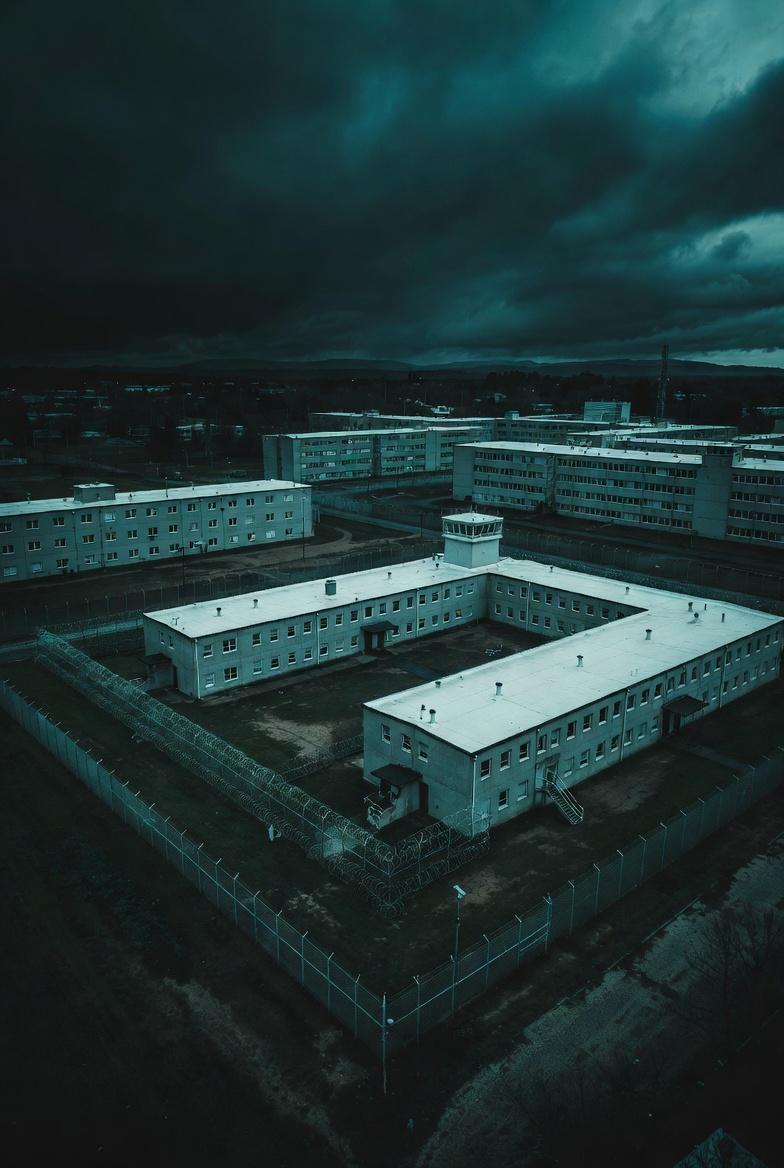
Wyoming Juvenile Detention Center
State Prison | Natrona County — Wyoming
The Wyoming Juvenile Detention Center is a state-operated secure detention facility located at 201 North David Street, Casper, WY 82601. Serving youth across the entire state of Wyoming, this facility is designed to house juvenile offenders and pre-adjudicated youth who require secure custody while their cases progress through the juvenile justice system. Unlike adult correctional institutions, juvenile detention centers operate under a distinct legal and rehabilitative framework — one that places equal weight on community safety, education, mental health support, and the long-term developmental needs of the young people in their care.
As one of the primary secure juvenile facilities listed among Wyoming correctional facilities, the Wyoming Juvenile Detention Center accepts youth referred by courts, law enforcement agencies, and juvenile probation officers from all 23 Wyoming counties. Residents may be held pre-adjudication while awaiting a court hearing, or post-adjudication while awaiting placement into a longer-term residential or treatment program. The center is fundamentally different from adult jails and state prisons in both its policies and its mission — staff are trained in adolescent development, trauma-informed care, and de-escalation techniques, reflecting a philosophy centered on rehabilitation rather than purely punitive supervision.
If you have a family member or loved one who may be housed at this facility, it is important to first confirm their placement, as juveniles can be transferred between facilities depending on bed availability, case classification, and program needs. Families can search criminal records to help locate a loved one and review publicly available case information. The facility's main contact number is (307) 577-5648, and staff are available to assist families in verifying placement and understanding next steps for communication and visitation.
One of the most distinguishing features of the Wyoming Juvenile Detention Center is its statewide service mandate. Because Wyoming is a largely rural state with limited local juvenile detention infrastructure across most of its counties, this facility functions as the primary secure detention resource for youth from all 23 Wyoming counties. This unique role means the center must be equipped to accommodate a highly diverse population — youth from urban Cheyenne and Casper alongside those from remote agricultural and ranching communities — each arriving with different cultural backgrounds, educational histories, mental health needs, and family circumstances.
This statewide reach also places significant demands on the facility's programming and case management resources. Staff must coordinate with courts, probation officers, social workers, schools, and families spread across hundreds of miles of Wyoming terrain. The center invests in multi-disciplinary case planning to ensure that each resident's time in detention is used constructively, with an eye toward the conditions of their eventual release or placement. Transportation coordination and remote family communication support are also integral parts of operations in a way that would not be necessary for a purely local facility.
Additionally, the facility's co-ed capacity — housing both male and female youth within a secure environment that maintains appropriate separation and individualized programming — further distinguishes it from smaller, single-gender detention options that may exist elsewhere in the state. This comprehensive approach makes the Wyoming Juvenile Detention Center a cornerstone of the state's juvenile justice infrastructure.
The Wyoming Juvenile Detention Center houses both male and female youth, typically between the ages of 10 and 17, though individuals subject to extended juvenile jurisdiction may be held at the facility up to age 21 in some circumstances under Wyoming law. The population at any given time is a mix of two primary groups: pre-adjudicated youth — those who have been detained pending a court hearing and have not yet been found delinquent — and post-adjudicated youth awaiting placement decisions, transfers to longer-term programs, or the execution of disposition orders issued by the juvenile court.
Because the facility serves all 23 counties in Wyoming, the population reflects the full geographic and demographic diversity of the state. Residents may have been referred for a wide range of offenses, from status offenses and lower-level delinquency to more serious felony-level conduct. Regardless of the nature of their case, all residents are treated as youth first — individuals whose brains and behaviors are still developing and who are considered by law and policy to have meaningful capacity for change and growth.
The average length of stay varies considerably depending on the nature of the charges, the speed of court proceedings, and the availability of appropriate placement resources. Some youth may be detained for only a few days while their cases are reviewed; others may remain for several weeks or months while awaiting court dates or placement in a residential treatment or wilderness program. Mental health needs are common among the population, and the facility maintains clinical staff to address acute and ongoing behavioral health concerns during detention.
Living conditions at the Wyoming Juvenile Detention Center are carefully structured to balance security requirements with the very real developmental needs of adolescents. Residents are housed in structured living units that include individual sleeping rooms, communal dining areas, and dedicated spaces for programming, recreation, physical education, and academic instruction. Shared spaces are supervised at all times, and the facility maintains a consistent daily schedule — an element considered critical for the behavioral regulation, emotional stability, and sense of predictability that youth in secure custody require.
Meals are provided three times daily and are designed to meet the nutritional requirements of growing adolescents. The facility follows applicable health and safety standards for food preparation and accommodates documented dietary restrictions related to medical needs or religious observance where feasible. Residents have access to hygiene supplies and clean clothing, and the facility is maintained to standards appropriate for a youth-serving institution.
Physical activity and recreation are incorporated into the daily schedule, recognizing that regular exercise is important for both physical health and emotional well-being in a confined environment. Residents have access to indoor recreational areas and, where security and weather permit, outdoor spaces. Mental health staff are on-site or on-call to respond to acute needs, conduct regular assessments, and provide individual or group counseling as part of the facility's broader care model. Medical needs are addressed through on-site health services and, when necessary, referrals to community healthcare providers.
The Wyoming Juvenile Detention Center offers a comprehensive range of programs designed to address the educational, behavioral, emotional, and social needs of its residents during their time in secure custody. Education is the cornerstone of the facility's programming model — all residents of compulsory school age are entitled to educational services under state and federal law, and the facility operates an on-site school program aligned with Wyoming academic standards. Youth can continue working toward high school credits, and facility educators work closely with residents' home school districts to minimize disruption to long-term academic progress and ensure continuity of learning upon release.
Beyond academics, the facility provides access to a range of behavioral health and therapeutic services. Individual and group counseling sessions are offered, often using evidence-based approaches such as Cognitive Behavioral Therapy (CBT) and Motivational Interviewing — methods shown to be effective with adolescent populations in reducing recidivism and improving emotional regulation. Substance abuse assessment and education are also available, given the high co-occurrence of substance use issues among youth involved in the juvenile justice system.
Life skills programming is another important component of the center's offerings. Residents may participate in sessions addressing topics such as conflict resolution, decision-making, anger management, and goal-setting — practical tools intended to support positive outcomes after release. Where appropriate, family engagement programming is incorporated to strengthen the family relationships that research consistently identifies as protective factors against reoffending. Reentry planning begins early in a resident's stay, with case managers working to connect youth to community resources, educational placements, and support services in preparation for their return home or transition to another program. To learn more about support services available to families, visit our family services page.
The Wyoming Juvenile Detention Center has its roots in Wyoming's broader, decades-long effort to build a dedicated, humane, and structured system for addressing juvenile delinquency — one that operates entirely separately from the adult criminal justice system. Like many states, Wyoming recognized throughout the latter half of the 20th century that housing youth alongside adult offenders was both harmful to individual development and counterproductive to long-term public safety outcomes. This recognition drove significant investment in purpose-built juvenile infrastructure across the state.
The Casper facility, situated in Natrona County — Wyoming's second most populous county and a geographic hub for the state's central region — was established to serve as a centralized secure detention option for a state defined by wide-open spaces and a relatively sparse population. Wyoming's vast rural landscape means that many of its 23 counties have historically lacked the local resources or population density necessary to independently operate and staff their own juvenile detention facilities. The Casper location was a deliberate strategic choice, offering access to regional courts, social services, and healthcare infrastructure that smaller communities cannot provide.
Over time, the facility has evolved in response to changing standards in juvenile justice, including the growing body of research on adolescent brain development, trauma-informed care, and evidence-based programming. National reforms — including those stemming from the Juvenile Justice and Delinquency Prevention Act — have shaped how Wyoming designs and operates facilities like this one, emphasizing the reduction of unnecessary detention, equitable treatment, and meaningful rehabilitation over punitive confinement. The Wyoming Juvenile Detention Center continues to reflect these evolving standards in its staffing, programming, and daily operations.
No widely documented famous former inmates are publicly associated with the Wyoming Juvenile Detention Center. As a juvenile facility, the identities of residents are protected by strict confidentiality laws governing juvenile justice records in Wyoming — even in cases that may have attracted some degree of local or regional media attention, the names and identifying details of juvenile residents are generally sealed and not subject to public disclosure. This confidentiality protection is a foundational feature of the juvenile justice system, designed to preserve the future opportunities of young people who have come into contact with the law and to prevent the lifelong stigma that public exposure can cause.
Because of these protections, families researching a loved one's background or legal history through public channels may find limited information available. In such cases, it can be helpful to search public criminal records to access whatever publicly available information may exist, particularly for individuals who have since turned 18 and whose records may have transitioned into the adult system. Always consult with a legal professional regarding the expungement or sealing status of juvenile records in Wyoming before drawing conclusions from any public records search.
Visitation at the Wyoming Juvenile Detention Center is considered an essential component of the facility's family engagement philosophy and overall rehabilitation model. A substantial body of research confirms that youth who maintain meaningful, positive contact with supportive family members during periods of detention demonstrate better behavioral outcomes while in custody and significantly lower rates of reoffending after release. The facility actively works to facilitate appropriate visitation within its operational and security framework.
Visitation schedules are set by the facility and may vary depending on the individual resident's case status, behavioral standing, and unit assignment. Family members are strongly encouraged to contact the facility directly at (307) 577-5648 before their first visit to confirm current visiting hours, understand any identification or documentation requirements, and learn about any facility-specific rules regarding attire, prohibited items, or visitor approval processes. First-time visitors should expect to be screened and may need to be added to an approved visitor list in advance.
All visits take place in designated visitation areas under supervision. Physical contact policies vary and will be communicated by staff. In some cases, particularly for youth held under specific court orders or security classifications, visitation may be restricted or conducted through non-contact formats. Families traveling long distances — which is common given the facility's statewide service area — are encouraged to call ahead and verify visit times to avoid unnecessary travel. You may also want to explore ways to send money to an inmate's commissary account to help your loved one access additional comfort items and personal supplies during their stay. For official information on Wyoming's juvenile justice programs, visit the Wyoming Department of Family Services Youth Correction Administration.
To contact a young person housed at the Wyoming Juvenile Detention Center, family members should begin by calling the facility directly at (307) 577-5648. Staff can provide detailed guidance on currently approved communication methods, including scheduled phone calls and written correspondence. All communication with residents — including phone calls and incoming mail — may be subject to monitoring and logging in accordance with facility policy and applicable juvenile justice regulations. This is standard practice at secure juvenile facilities and is intended to support the safety and well-being of residents.
Phone calls are typically the most immediate way to communicate with a detained youth, though call scheduling and frequency may be subject to restrictions based on behavior, case status, and facility policy. Families should ask staff about the process for setting up and funding phone accounts if a paid calling system is in use at the facility.
Written mail is generally permitted and encouraged as a meaningful form of connection. All incoming mail is typically screened before delivery. Letters should be addressed clearly with the resident's full name and, where possible, their unit or case number. Avoid sending cash, gifts, or unapproved items inside envelopes, as these may result in mail being rejected or delayed. If you are unsure whether a loved one is currently housed at this facility or have difficulty confirming their placement, our guide on how to find an inmate offers step-by-step assistance for navigating the process. Families may also find it useful to review available public records — you can look up an inmate's arrest history to better understand the context of a loved one's case and current detention status.
Sponsored and Powered by our Partner TruthFinder
Quick Facts
Should I Be Concerned? — Family Guide
The Wyoming Juvenile Detention Center prioritizes the safety and security of all residents, staff, and visitors through comprehensive security measures and professional protocols. The facility maintains controlled access points, continuous staff supervision, and regular security assessments to ensure a secure environment. Visitors should be prepared for standard security procedures, including valid photo identification verification, personal item inspections, and bag checks. These protocols are in place to protect everyone in the facility and maintain a safe, structured environment conducive to rehabilitation.
Families are encouraged to visit their youth as part of the rehabilitation process. All visits are supervised and scheduled in advance to ensure proper facility management. Visitors must follow all facility rules and procedures, including dress code requirements and behavioral expectations. If you have concerns about safety or questions about visiting procedures, facility staff are available to address your needs and provide guidance on what to expect during your visit.
Neighborhood & Getting There
The Wyoming Juvenile Detention Center is conveniently located in Casper, Wyoming's largest city, positioned in the heart of central Wyoming with direct access via Interstate 25. The facility's location provides easy accessibility for families traveling from across the state. Casper is situated approximately 140 miles north of Cheyenne and serves as a regional hub for healthcare, education, and services. The downtown area offers restaurants, shopping, and other amenities to support visiting families.
Numerous hotel options are available within 2-5 miles of the detention center, including well-known chain hotels and local establishments that cater to families visiting the facility. Hotels such as the Best Western Plus, Holiday Inn, and various smaller motels provide comfortable accommodations at reasonable rates. The Casper area also offers dining options, gas stations, and shopping centers nearby. Families traveling from rural areas of Wyoming will find Casper a convenient destination with adequate infrastructure to support overnight stays and multiple visits to their youth.