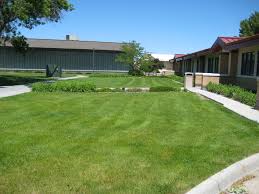
Wyoming Boys' School
State Prison | Hot Springs County — Wyoming | Wyoming Department of Family Services
Wyoming Boys' School is a state-operated juvenile correctional facility located in Worland, Wyoming, a small city of approximately 5,500 residents situated in the scenic Big Horn Basin of north-central Wyoming. As one of the state's primary secure residential institutions for adjudicated male youth, the school accepts juvenile offenders committed by district courts from every county across the state — making it a critical component of Wyoming's juvenile justice system. Families researching placement options or looking for information on other facilities can browse Wyoming correctional facilities in our directory.
Young residents at Wyoming Boys' School are placed in separate housing units based on a careful evaluation of multiple factors, including the nature and severity of their offense, current risk and needs assessment scores, age, and demonstrated behavior within the facility. This structured, tiered approach is designed to promote personal accountability while ensuring that each resident receives age-appropriate programming tailored to address the specific issues — whether behavioral, emotional, educational, or substance-related — that contributed to their involvement in the juvenile justice system.
The facility operates under the oversight of the Wyoming Department of Family Services, which is responsible for ensuring that programming, staffing, facility standards, and daily operations align with state regulations and the overarching mission of rehabilitating youth before they transition into adulthood. The department takes a holistic view of juvenile justice, emphasizing education, mental health treatment, family involvement, and community reintegration as equally important components of a successful placement.
Families who have a son or loved one currently placed at Wyoming Boys' School are strongly encouraged to reach out to the facility directly to understand visitation schedules, approved communication options, and the range of support services available to both residents and their families during the placement period. Active family engagement is widely recognized as one of the strongest predictors of positive outcomes for incarcerated youth, and the facility is structured to support that involvement wherever possible. If you are trying to locate a young person and are unsure where to begin, you can also search criminal records to help identify current placement or legal status.
One of the most distinctive characteristics of Wyoming Boys' School is its deliberate combination of secure confinement and individualized, therapeutic programming within a comparatively small residential setting. Unlike large adult correctional institutions — which may house thousands of inmates and operate on an industrial scale — Wyoming Boys' School serves a significantly smaller population, and this scale has a meaningful impact on the quality of care residents receive.
The smaller environment enables staff members to develop genuine, consistent relationships with the young men in their care. Juvenile justice research consistently identifies positive adult relationships as one of the most powerful protective factors against reoffending, and the facility's structure is specifically designed to foster those connections. Caseworkers, teachers, counselors, and residential staff are able to monitor each resident's progress closely, adjust programming in response to individual needs, and provide the kind of personalized attention that is difficult to achieve in larger institutions.
Another distinguishing feature is the facility's location within Worland, a small Wyoming city surrounded by the natural landscapes of the Big Horn Basin. This setting lends itself to outdoor programming and recreational activities that are both therapeutic and physically engaging — opportunities that residents from urban backgrounds may not have previously experienced. The combination of structured programming, meaningful staff relationships, and an environment that encourages personal growth makes Wyoming Boys' School a notable example of how juvenile correctional facilities can prioritize rehabilitation alongside security.
The facility's operation under the Wyoming Department of Family Services — rather than a traditional department of corrections — also reflects a philosophical distinction: residents are viewed primarily as youth in need of services and guidance, not simply as offenders requiring containment. This framing shapes every aspect of the facility's culture, from how staff interact with residents to how success is measured upon a young person's release.
Wyoming Boys' School exclusively houses male juvenile offenders who have been formally committed to the facility by Wyoming district courts following adjudication. Because the facility serves as a statewide resource rather than a regional one, its population is drawn from counties across the entirety of Wyoming — meaning residents may arrive from major urban centers such as Cheyenne, Casper, and Laramie, as well as from smaller and more rural communities throughout the state.
The facility serves youth ranging in age from early adolescence through the upper boundary of juvenile jurisdiction in Wyoming, typically up to age 18, though residents who were committed prior to turning 18 may in some circumstances remain at the facility into early adulthood depending on the terms of their individual commitment orders and case plan progress.
The population at Wyoming Boys' School reflects the diversity of offenses handled within the state's juvenile justice system. Residents may have been committed for a wide range of adjudicated offenses, including property crimes, drug-related offenses, violent offenses, and other conduct that Wyoming courts have determined warrants a secure residential placement rather than community-based supervision. The facility is designed to serve youth across varying risk levels, and housing unit assignments are made with careful attention to ensuring that residents are appropriately matched to the level of structure and services they require.
Because juvenile records are generally confidential under Wyoming law, detailed demographic or offense-specific population data is not routinely made available to the public. Families seeking to understand the general environment their loved one will be entering are encouraged to speak directly with the facility's intake staff, who can provide context about the population, programming expectations, and what residents typically experience during their stay.
Living conditions at Wyoming Boys' School are organized around a carefully maintained balance of security, predictability, and access to meaningful programming. Residents are housed in supervised residential units where each day follows a structured schedule designed to provide consistency — an element that juvenile justice research consistently identifies as fundamental to effective rehabilitation for adolescents who have often experienced chaotic or unstable home environments.
A typical day for a resident includes mandatory participation in on-site schooling, individual and group therapy or counseling sessions, recreational time, meals served in a communal setting, and various assigned responsibilities within the housing unit. This regimented routine is intentional: structure helps residents develop self-discipline, time management, and the ability to function within established rules — skills that are directly transferable to life outside the facility.
Residents are housed in units that are separated based on factors such as age, risk level, and program track. Each unit maintains its own staff team, which allows for consistent adult supervision and the development of stable relationships between residents and the staff members who work directly with them. Physical living spaces are maintained to meet state standards for juvenile residential facilities, with access to basic amenities, hygiene supplies, and appropriate clothing.
Recreational programming is a meaningful component of daily life at Wyoming Boys' School. Physical activity — whether through organized sports, outdoor recreation, or structured fitness programming — serves both as a healthy outlet for energy and as a vehicle for teaching teamwork, sportsmanship, and emotional regulation. The facility's location in the Big Horn Basin also provides opportunities for outdoor activities that leverage Wyoming's natural environment in therapeutic and engaging ways.
Meals are provided on a regular schedule and are designed to meet the nutritional needs of a growing adolescent population. Residents with specific dietary needs or restrictions are typically accommodated in accordance with medical or religious requirements, subject to facility policy and verification through the appropriate channels.
Wyoming Boys' School offers a comprehensive range of programs designed to address the educational, vocational, behavioral, emotional, and social needs of its juvenile residents. Programming is not one-size-fits-all — each resident works with their assigned caseworker and treatment team to develop an individualized case plan that identifies specific goals and outlines the programming required to achieve them. Completion of programming benchmarks is typically tied to progress reviews and, ultimately, release planning.
Education: An accredited on-site school provides instruction in core academic subjects including mathematics, English language arts, science, and social studies. Residents can earn academic credits toward a high school diploma, and those who are older or further behind may pursue a General Educational Development (GED) credential. Special education services are available for residents who have been identified as having learning disabilities or other qualifying educational needs, in compliance with federal requirements under the Individuals with Disabilities Education Act (IDEA).
Behavioral and Mental Health Treatment: Individual therapy, group counseling, and evidence-based behavioral interventions are central components of the programming model at Wyoming Boys' School. Residents work with licensed mental health professionals to address issues such as trauma, anger management, impulse control, substance use, and family conflict. Cognitive-behavioral therapy (CBT) approaches are commonly used in juvenile justice settings and are likely incorporated into the facility's treatment model.
Substance Abuse Programming: Given the prevalence of substance use issues among adjudicated youth, the facility offers programming specifically designed to address alcohol and drug dependency. This may include psychoeducational groups, individual counseling focused on substance use, and relapse prevention planning as part of a resident's overall case plan.
Life Skills and Vocational Training: Preparing residents for a successful return to their communities requires more than academic instruction. Life skills programming covers practical areas such as financial literacy, employment readiness, communication, conflict resolution, and independent living skills. Vocational training opportunities may also be available, giving residents exposure to trades and career pathways that can support stable employment after release.
Family Engagement Programming: Recognizing the critical role that families play in a young person's rehabilitation, Wyoming Boys' School encourages family participation through structured visitation, family counseling sessions, and communication with caseworkers. Family engagement programming is designed to help repair and strengthen relationships that may have been strained by a resident's offense and placement.
Reentry and Transition Planning: As a resident approaches release, the facility works with the resident, their family, and community partners to develop a comprehensive reentry plan. This plan typically addresses housing, school enrollment or employment, ongoing mental health or substance abuse treatment, and community supervision requirements to reduce the risk of reoffending.
Wyoming Boys' School has a long and evolving history as the state's primary secure residential facility for male juvenile offenders. The institution was established in the early twentieth century as part of a sweeping national movement that sought to separate youthful offenders from adult criminal populations. This philosophy was rooted in the emerging belief — backed by early research in developmental psychology — that juveniles possess a greater capacity for rehabilitation than adults and should therefore be treated within a distinct system designed specifically for their needs.
In its earliest decades, the facility operated under the reformatory model that was prevalent throughout the United States during the early and mid-1900s. This approach emphasized strict discipline, structured labor, and vocational training as the primary tools of rehabilitation. Residents during this era were expected to contribute to the daily maintenance and agricultural operations of the institution, and programming was largely uniform rather than individualized.
As juvenile justice philosophy evolved nationally throughout the latter half of the twentieth century, Wyoming Boys' School adapted accordingly. The landmark U.S. Supreme Court decision in In re Gault (1967) transformed the landscape of juvenile justice by extending due process rights to youth, and facilities across the country — including Wyoming Boys' School — began shifting toward more treatment-oriented, rights-conscious approaches. Programming expanded to include formal education, counseling, and mental health services, reflecting a growing recognition that punitive approaches alone were insufficient to address the complex needs of adjudicated youth.
In more recent decades, the facility has continued to modernize its approach in response to advances in juvenile justice research, changes in state policy, and shifting demographics among the youth population it serves. Today, Wyoming Boys' School is recognized not merely as a place of confinement but as a therapeutic and educational environment where young men can work toward rehabilitation, earn academic credentials, and develop the skills necessary to lead law-abiding lives upon release. The facility's long institutional history reflects Wyoming's ongoing commitment to investing in the futures of its most vulnerable young residents.
No widely documented famous former inmates are publicly associated with Wyoming Boys' School. As a juvenile correctional facility, the identities of residents are protected under Wyoming's juvenile justice confidentiality statutes, which restrict the public disclosure of information about youth who have been committed to state care. These protections exist for important reasons — shielding young people from the long-term stigma of public exposure and preserving their opportunity to reintegrate into society without being permanently defined by offenses committed as minors.
Because of these confidentiality protections, even cases that may have attracted local or regional media attention are rarely documented in a way that would publicly link specific individuals to the facility. This means that any notable former residents — regardless of whether they later went on to lead public lives or committed further offenses as adults — are extremely unlikely to appear in searchable public records in connection with their juvenile placement. If you are researching someone's background or trying to verify a person's legal or incarceration history, you can search public criminal records to access available adult arrest and court information.
Visitation at Wyoming Boys' School is considered an integral part of the rehabilitation process, and the facility actively encourages family involvement for eligible residents. Research on juvenile justice outcomes consistently shows that youth who maintain meaningful connections with supportive family members during incarceration have significantly better reintegration outcomes upon release. The facility's approach to visitation reflects this evidence-based understanding.
Visitation schedules, eligibility requirements, and specific procedures are subject to change and may vary based on a number of individual factors, including a resident's current housing unit assignment, behavioral standing within the facility, and the specific terms of their individualized case plan. Families should not assume that standard visiting days and hours apply uniformly to all residents — direct communication with the facility is essential before making travel arrangements, particularly for families traveling long distances within Wyoming.
To confirm current visiting hours, check a specific resident's visitation eligibility, or understand any documentation or identification requirements for visitors, contact Wyoming Boys' School directly at (307) 347-6144. You can also find official program and contact information through the Wyoming Department of Family Services – Wyoming Boys' School page.
All visitors are typically required to present valid government-issued photo identification at the time of their visit. Visitors may be subject to background screening as part of the facility's approval process, and certain individuals — including those with criminal records or active court orders — may be restricted from visiting. It is advisable to inquire about visitor approval requirements well in advance of a planned visit to avoid any disruptions.
In addition to in-person visits, families are encouraged to stay connected through approved phone calls and written correspondence. Maintaining regular contact — even through letters or brief phone conversations — can have a significant positive impact on a resident's morale and motivation to engage with programming. Families may also be able to send money to their loved one's commissary account to help cover the cost of personal items and communication services during their stay.
Families wishing to maintain contact with a resident at Wyoming Boys' School have several communication options available, though all methods are governed by the facility's rules, individual case plan guidelines, and applicable Wyoming juvenile justice regulations. Understanding these options in advance can help families stay connected in a consistent and compliant way throughout a resident's placement.
Phone Calls: Telephone calls are typically the most immediate and accessible form of communication for families. Residents are generally permitted to make calls during designated hours, which are set by the facility and may vary by housing unit. Families should ask about the phone system in use at Wyoming Boys' School — some juvenile facilities use managed calling platforms that require families to set up an account and add funds before calls can be placed. Contact the facility at (307) 347-6144 for current information on how the phone system operates and how to get set up.
Written Correspondence: Sending and receiving letters is generally permitted at Wyoming Boys' School and can be a meaningful way for families to stay connected, particularly for relatives who live far from Worland. All incoming and outgoing mail may be subject to review by facility staff in accordance with standard juvenile facility security protocols. When sending mail, always include the resident's full legal name and any identifying information required by the facility to ensure proper delivery. The facility's mailing address is: Wyoming Boys' School, 1000 Whipple Street, Worland, WY 82401.
Email and Electronic Messaging: Some juvenile correctional facilities have adopted electronic messaging platforms that allow families to send messages and photos digitally. Whether Wyoming Boys' School offers this option should be confirmed directly with the facility, as technology-based communication programs vary widely between institutions and may be subject to change.
Family Visits: In-person visitation remains one of the most powerful forms of connection between residents and their families. See the visitation section above for details on scheduling and requirements.
If you are unsure of a young person's current placement or need help navigating the process of locating someone in the Wyoming juvenile justice system, our guide on how to find an inmate provides step-by-step guidance. You can also look up an individual's arrest history using publicly available records to better understand their legal background before reaching out to the facility.
Sponsored and Powered by our Partner TruthFinder
Quick Facts
Should I Be Concerned? — Family Guide
Wyoming Boys' School is a secure facility designed specifically for court-involved youth. The facility operates comprehensive safety protocols including controlled building access, continuous staff supervision, and structured daily programming. Visiting families should expect standard security procedures such as check-in processes, identification verification, and supervised visitation areas. These measures help maintain a safe environment for all residents and visitors.
The facility maintains compliance with Wyoming Department of Family Services regulations and implements evidence-based safety management practices. Staff are trained in de-escalation, emergency response, and resident supervision. Families visiting should arrive with realistic expectations about security requirements and plan visits during designated hours to ensure a positive experience for all involved.
Neighborhood & Getting There
Wyoming Boys' School is located in Worland, Wyoming, a quiet rural community in Washakie County's Big Horn Basin. The town offers essential services and local amenities typical of small-town Wyoming living. Worland is conveniently positioned approximately 50 miles south of Sheridan and roughly 80 miles northwest of Casper, making it accessible for visiting family members from across the state.
Families planning visits will find several lodging options in Worland including the Worland Motel, Super 8 by Wyndham, and other regional hotels offering reasonable rates and proximity to the facility. The town provides basic dining, grocery, and retail services. The rural setting offers a peaceful atmosphere while maintaining reasonable access to larger communities for extended family support services.