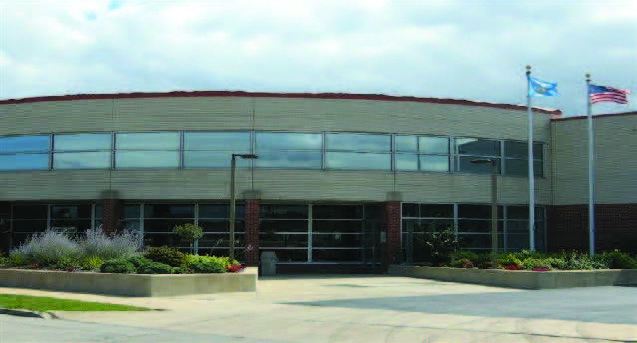
Racine Youthful Offender Correctional Facility (RYOCF)
State Prison | Racine County — Wisconsin | RYOCF | Wisconsin Department Corrections
Racine Youthful Offender Correctional Facility (RYOCF) is a state-operated correctional institution located in Racine, Wisconsin — a city of approximately 78,000 residents situated along the western shore of Lake Michigan. Operated by the Wisconsin Department of Corrections (DOC), RYOCF was purpose-built to serve a specific and critical mission: housing and rehabilitating young adult male offenders in a structured, program-rich environment designed to reduce recidivism and support successful reintegration into society.
The facility has a rated capacity of 450 inmates and typically operates near that number, with an average daily population of around 449 residents. RYOCF is one of the more specialized facilities in the Wisconsin corrections system, focusing exclusively on youthful male offenders. Residents are assigned to housing units based on their offense history, current risk and needs assessments, and demonstrated behavior during incarceration. This individualized classification system allows staff to tailor programming, therapeutic services, and supervision levels to each person's specific circumstances and rehabilitation goals.
RYOCF plays a unique role within the broader network of Wisconsin correctional facilities, emphasizing education, vocational training, and cognitive behavioral programming tailored to younger populations. The facility operates on the philosophy that early, targeted intervention in a young person's incarceration can significantly alter the trajectory of their life — reducing the likelihood of future offenses and building the skills needed for stable, productive living after release.
If you have a loved one currently housed at RYOCF and are unsure of their exact status or placement, families can search criminal records to find current incarceration status and access publicly available background information. This page is designed to help families, friends, and legal representatives understand how RYOCF operates and what to expect when navigating the system.
What sets Racine Youthful Offender Correctional Facility apart from most other Wisconsin state prisons is its exclusive focus on young adult male offenders. Rather than operating as a general population adult facility that serves a broad mix of inmates across age groups and offense types, RYOCF was purpose-built around the understanding that younger individuals in the justice system respond better to targeted education, skills training, and therapeutic programming delivered in a dedicated environment among peers at similar life stages.
This specialization shapes virtually every aspect of how the facility operates — from the design of its housing units and daily schedule to the training its correctional officers and counselors receive. Staff at RYOCF are oriented toward working with young adults, understanding the behavioral and developmental factors that often contribute to criminal involvement at a younger age, and using that knowledge to engage residents constructively rather than purely punitively.
Another distinguishing element is the facility's strong emphasis on reentry preparation. Residents are encouraged from early in their incarceration to develop concrete plans for life after release — including where they will live, how they will pursue employment or education, and what community supports they will access. This forward-looking orientation is embedded throughout RYOCF's programming model and reflects the Wisconsin DOC's broader commitment to reducing recidivism through preparation rather than reliance on supervision alone after release.
Racine Youthful Offender Correctional Facility houses male offenders only, with a maximum capacity of 450 inmates and an average daily population of approximately 449 residents — meaning the facility consistently operates near full capacity. The population is composed of youthful offenders, generally young adult men who have been convicted of a range of felony offenses under Wisconsin state law and sentenced to serve time in the adult corrections system.
The age profile of RYOCF's population is notably younger than that of general adult correctional facilities in Wisconsin. Many residents arrive at the facility in their late teens or early-to-mid twenties, often with limited prior incarceration experience and significant educational deficits. A substantial portion of the population has histories involving substance use, unstable housing, and limited vocational skills — factors that research consistently links to criminal justice involvement among young adults.
Residents are classified upon arrival based on the nature of their offense, their assessed risk and needs level, prior criminal history, and behavioral indicators. This classification process determines housing unit placement, programming requirements, and the level of supervision applied to each individual. As residents demonstrate positive behavior and progress through programming, their classification may be reviewed and adjusted — a system designed to incentivize engagement and reward rehabilitation efforts. The diversity of offense types within the population means that programming must be flexible enough to address varying risk levels while maintaining a consistent rehabilitative focus across the facility.
Living conditions at Racine Youthful Offender Correctional Facility are structured and regulated in accordance with Wisconsin Department of Corrections policies, which establish clear standards for housing, hygiene, nutrition, healthcare access, and daily routines. Inmates are housed in cell or dormitory-style units depending on their classification level and current housing assignments, with unit placement reviewed periodically as behavior and program participation are assessed.
Each resident has access to basic necessities including bedding, hygiene supplies, and three daily meals prepared in accordance with nutritional guidelines established by the Wisconsin DOC. Special dietary accommodations are available for residents with documented medical conditions or sincerely held religious dietary requirements, subject to review and approval by facility administration.
The facility maintains medical and mental health services on-site, providing residents with access to routine healthcare, sick call services, dental care, and psychiatric support as needed. Given the younger age profile of RYOCF's population, mental health programming plays a particularly significant role — many residents arrive with untreated trauma, anxiety, depression, or substance use disorders that require consistent clinical attention alongside the facility's broader rehabilitative programming.
Daily life at RYOCF follows a structured schedule that balances security requirements with time allocated for programming, recreation, meals, and personal time. Recreation opportunities — including outdoor yard access and indoor physical fitness facilities — are provided regularly, as physical activity is considered an important component of both mental health and overall well-being. Residents are expected to follow institutional rules, and behavioral infractions can result in loss of privileges or reclassification to more restrictive housing. Conversely, consistent positive behavior is recognized and may result in expanded privileges and greater program access over time.
One of the defining characteristics of Racine Youthful Offender Correctional Facility is its robust offering of education and rehabilitative programming, which reflects the facility's core mission of preparing young men for successful reintegration into their communities. Programming at RYOCF is evidence-based and spans multiple domains of an individual's life and development — from academic credentials and vocational skills to emotional regulation and community reentry planning.
Educational programs are a central component of daily life at the facility. Residents who have not completed a high school diploma or equivalent are encouraged — and in many cases required — to pursue their GED or HSED credential during their incarceration. Literacy support and basic skills instruction are available for residents who enter with significant academic deficits. For those who have already completed secondary education, opportunities for post-secondary coursework and certificate programs may be available through partnerships with accredited educational providers.
Vocational training programs give residents the opportunity to develop marketable job skills that can be applied immediately upon release. Trades and technical skills instruction helps residents enter the workforce with credentials and hands-on experience, significantly improving their employment prospects — a key factor in reducing recidivism. Career readiness workshops covering resume writing, job interview preparation, and workplace expectations are also part of the programming landscape at RYOCF.
Cognitive behavioral programming is another pillar of RYOCF's approach. Programs designed to address thinking patterns associated with criminal behavior help residents develop healthier decision-making skills, improve impulse control, and build empathy. Substance abuse treatment and education are also offered, recognizing the significant overlap between addiction and criminal justice involvement among young adults.
Reentry planning services begin well before a resident's projected release date. Caseworkers and reentry coordinators assist individuals in developing plans that address housing, employment, family reconnection, and access to community services. This comprehensive approach to preparation is designed to give residents the best possible foundation for a successful transition back into society. To learn more about supporting an incarcerated loved one through the reentry process, explore our family services resources.
Racine Youthful Offender Correctional Facility officially opened its doors on May 11, 1998, making it one of the newer additions to the Wisconsin Department of Corrections' network of state prisons at the time of its founding. The facility was developed in direct response to a growing recognition among Wisconsin policymakers and corrections professionals that young adult offenders have distinct developmental, educational, and psychological needs that differ significantly from those of the broader adult prison population.
Rather than housing these individuals alongside older, long-term inmates — an environment that research has shown can increase criminal sophistication and reduce rehabilitation outcomes — the state made a deliberate decision to create a dedicated facility where programming, supervision philosophy, and institutional culture could be tailored specifically to younger men. This approach aligned with an emerging body of criminological research in the 1990s demonstrating that early, intensive intervention during the formative years of a young adult's criminal justice involvement offers the greatest opportunity to interrupt patterns of reoffending.
RYOCF holds the distinction of being the first correctional facility in Wisconsin specifically designed and designated for youthful offenders within the adult corrections system. Since its opening, the facility has continuously evolved its programming offerings to reflect advances in evidence-based correctional practices, expanding its educational curriculum, vocational training options, and cognitive behavioral treatment programs over the decades. The facility's founding mission — to treat the incarceration of young men not merely as punishment but as an opportunity for meaningful rehabilitation — remains central to its day-to-day operations more than two decades after it first opened.
No widely documented famous former inmates are publicly associated with Racine Youthful Offender Correctional Facility. Because RYOCF houses young adult offenders rather than high-profile adult inmates, it has not historically been linked to cases that attract significant public attention. If you are researching a specific individual's incarceration history or need to verify whether someone has been housed at this or another Wisconsin facility, you can search public criminal records to access available background and incarceration information compiled from publicly available sources.
Visitation is an important part of maintaining family connections and supporting the rehabilitation of individuals incarcerated at Racine Youthful Offender Correctional Facility. Research consistently shows that inmates who maintain strong family ties during incarceration are significantly more likely to succeed after release, and the Wisconsin DOC actively encourages family involvement within the boundaries of facility rules and security requirements. Keeping those connections alive — even across the challenges of incarceration — can make a meaningful difference in a young person's outlook and motivation to engage with programming.
To visit a resident at RYOCF, all visitors must be approved in advance and placed on the resident's approved visitor list. First-time visitors are required to complete a visitor application, which is subject to a background review by the facility. Visitors should plan ahead, as the approval process can take several weeks. Once approved, visitors should contact the facility directly to confirm current visitation schedules, as hours and procedures may change based on operational needs or facility-wide events.
On the day of a visit, all visitors must present valid, government-issued photo identification. Visitors are required to adhere to the facility's dress code, which prohibits clothing that resembles inmate uniforms or staff attire, as well as clothing that is considered revealing or inappropriate for a correctional setting. Items brought into the facility are strictly limited — most personal belongings must be secured in vehicles or provided lockers before entering the visitation area.
Children are welcome to visit with appropriate adult supervision, and the facility makes reasonable efforts to provide a visitation environment that is welcoming for families. Visitors should review the Wisconsin DOC visitation process guidelines for the most current rules and requirements before planning a trip. In addition to in-person visits, residents may be able to communicate with loved ones through approved phone calls and written correspondence — and families can also send money to an inmate's commissary account to help cover personal expenses while incarcerated.
Families and friends looking to contact an inmate at Racine Youthful Offender Correctional Facility have several options available. Written correspondence is one of the most reliable and consistently available methods of staying in touch. Mail sent to residents must include the inmate's full name and Wisconsin DOC identification number and should be addressed directly to the facility. All incoming mail is subject to inspection in accordance with facility security protocols, and items that violate content restrictions — including anything that could compromise safety or security — will be returned or confiscated.
Phone calls are another primary means of communication. Residents at RYOCF are permitted to make outgoing phone calls through the facility's approved telephone system, which is managed by a contracted telecommunications provider. Calls are subject to monitoring and recording in accordance with DOC policy. Family members who wish to receive calls may need to set up an account with the telephone service provider and fund it in advance, depending on the call plan in use at the facility.
Electronic messaging services may also be available through the DOC's approved digital communications platform. These services allow approved contacts to send and receive messages electronically, often at a lower cost than traditional phone calls. Check with the facility directly or review the Wisconsin DOC website for current information on which services are active at RYOCF.
If you are unsure whether your loved one is currently housed at RYOCF or have lost track of their location within the Wisconsin corrections system, the Wisconsin DOC Offender Locator is the official tool for confirming an individual's current facility assignment. You can also review our guide on how to find an inmate for step-by-step instructions on locating someone within the state corrections system.
Sponsored and Powered by our Partner TruthFinder
Quick Facts
Should I Be Concerned? — Family Guide
RYOCF maintains rigorous security protocols to protect all visitors, residents, and staff. The facility employs multiple layers of safety measures including controlled visitor access points, metal detection screening, bag checks, and trained security personnel supervision throughout the visitation process. All visitors undergo background screening and must be pre-approved before visiting.
Families should expect thorough security procedures upon arrival, including identification verification and personal screening. These protocols are standard practice at secure facilities and are designed to maintain a safe environment. Visitors are required to follow strict dress codes and item restrictions. For specific information about what to expect during your visit, contact the facility at (262) 636-3171 to review current security procedures and policies.
Neighborhood & Getting There
RYOCF is conveniently located in Racine, Wisconsin, a vibrant Lake Michigan port city situated approximately 35 miles north of Milwaukee and 65 miles south of Green Bay. The facility is easily accessible via I-94 and is positioned in a well-developed area with nearby residential communities, local restaurants, and retail shops. The location provides good highway access for families traveling from across Wisconsin and neighboring states.
Visiting families will find several hotel and lodging options within 10-15 minutes of the facility, including budget-friendly and mid-range accommodations. Racine offers dining options ranging from casual to full-service restaurants, and families can find coffee shops, gas stations, and other amenities in the surrounding area. The downtown Racine waterfront is approximately 15-20 minutes away, offering additional recreational options for families spending extended time in the area.