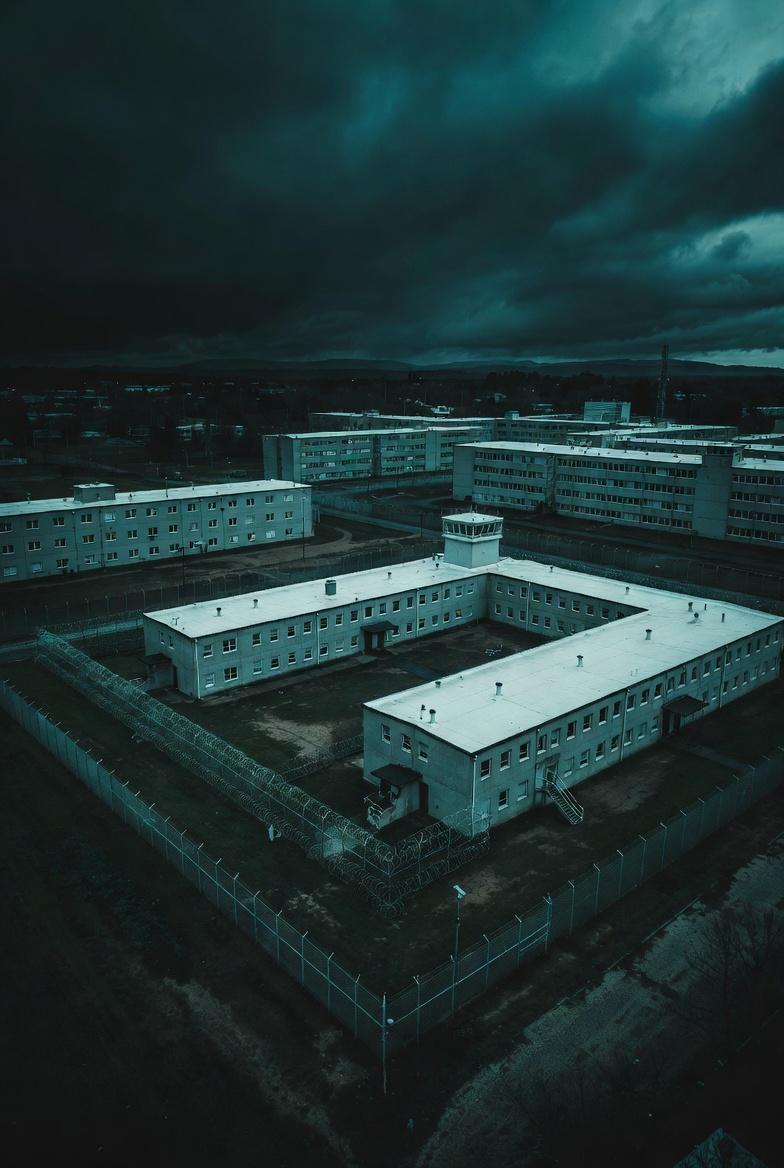
VT DOC - Southeast State Correctional Facility (SESCF) - Windsor
State Prison | Vermont County — Vermont
The Southeast State Correctional Facility (SESCF), operated by the Vermont Department of Corrections (VT DOC), is a state correctional facility located at 546 State Farm Road in Windsor, Vermont 05089. Situated in the scenic Upper Connecticut River Valley of Windsor County, SESCF serves as one of the key correctional institutions within Vermont's statewide corrections network, housing adult male offenders under the supervision of the Vermont DOC. It is one of many facilities listed among Vermont correctional facilities that collectively manage the state's incarcerated population.
As a state-level facility, SESCF differs from local county jails in both scope and function. State correctional facilities in Vermont typically house individuals who have been sentenced following conviction, as opposed to those awaiting trial in a local holding facility. Vermont's corrections system is notably unified — unlike states such as Texas, which designate specific "state jail felonies" with sentences served in purpose-built state jail facilities, Vermont operates a more consolidated model where the DOC manages housing assignments centrally based on classification, programming needs, and available capacity.
Because the purpose and population of state correctional facilities can vary significantly, it's important for families to understand exactly why and under what legal circumstances their loved one is housed at SESCF. Sentence length, security classification, program eligibility, and transfer potential all depend on the specifics of each individual case. Families who are unsure of a loved one's current placement or legal status can search criminal records to find current incarceration status and background information. For official DOC information, you can also visit the Vermont DOC SESCF facility page.
One of the most notable distinguishing characteristics of the Southeast State Correctional Facility is its relatively small size compared to larger state prisons, which allows for a more individualized approach to inmate supervision and programming. Vermont is known nationally for its progressive corrections philosophy, and SESCF reflects that ethos — emphasizing rehabilitation, reentry preparation, and community connection rather than purely punitive confinement.
The facility's location in Windsor, Vermont, also sets it apart. Windsor is a historic town with deep ties to Vermont's civic and legal history, and SESCF benefits from its proximity to community organizations, volunteer networks, and local service providers that support programming and reentry efforts. The surrounding rural environment, while remote, contributes to a lower-stress institutional atmosphere compared to large urban correctional facilities. SESCF's integration within the VT DOC system also means that inmates may be eligible for transfers to other facilities or community supervision programs as they progress through their sentences.
SESCF primarily houses adult male offenders who have been convicted and sentenced under Vermont state law. The facility serves inmates from across Vermont, though it draws particularly from the southeastern region of the state, including Windsor County and surrounding areas. The population is mixed in terms of offense type and sentence length, and includes individuals serving time for a range of offenses from nonviolent drug and property crimes to more serious felonies.
Vermont has one of the smallest incarcerated populations in the United States, and SESCF reflects this with a relatively modest facility capacity. Inmates are classified by the VT DOC based on factors such as criminal history, behavior, program needs, and security risk. This classification process determines housing assignments, program eligibility, and supervision levels within the facility. The small population size generally allows for more individualized attention from corrections staff and better access to programming resources than what might be available in a larger institution.
Living conditions at SESCF are consistent with Vermont DOC standards, which place a strong emphasis on maintaining safe, humane, and structured environments for incarcerated individuals. Inmates are housed in designated units and are expected to follow facility rules and daily schedules that include structured time for meals, programming, recreation, and rest. The facility maintains regular inspections and oversight to ensure compliance with state and federal standards for correctional institutions.
Incarcerated individuals at SESCF have access to basic necessities including meals, clothing, hygiene products, and medical care. Vermont DOC is known for providing healthcare services that address both physical and mental health needs, including access to counseling and psychiatric services where required. Recreational facilities and outdoor access are typically part of the daily routine, which supports both physical well-being and mental health.
Commissary access allows inmates to purchase supplemental food, hygiene items, and personal care products. Communication with family members is supported through phone calls, mail, and approved visitation. Vermont DOC recognizes the importance of maintaining family bonds during incarceration, as strong family connections are associated with lower rates of recidivism and more successful reentry outcomes.
The Vermont Department of Corrections places significant institutional emphasis on rehabilitation, and SESCF offers a range of programs designed to address the root causes of criminal behavior and prepare inmates for successful reentry into the community. Educational programming is a cornerstone of these efforts, with opportunities for adult basic education, GED preparation, and in some cases vocational training that can improve employment prospects upon release.
Substance abuse treatment is particularly important given that a significant percentage of Vermont's incarcerated population has histories of addiction — a trend closely tied to the opioid crisis that has deeply affected the state. SESCF supports access to evidence-based treatment programs, including cognitive-behavioral therapy (CBT) approaches and, where applicable, medication-assisted treatment (MAT) for opioid use disorder.
Additional programming may include:
- Cognitive restructuring and behavior modification courses
- Anger management and conflict resolution classes
- Life skills training covering financial literacy, job readiness, and parenting
- Mental health counseling and psychiatric services
- Faith-based programs and volunteer-led community engagement activities
- Reentry planning assistance to help inmates transition back into society
Participation in these programs can positively affect parole eligibility and demonstrates a commitment to rehabilitation. Families are encouraged to support their loved ones' involvement in available programming throughout their sentence.
The Southeast State Correctional Facility has its roots in Vermont's long history of state-managed corrections dating back to the 19th century. Windsor, Vermont holds particular significance in the history of American incarceration — it is home to the Vermont State Prison, one of the oldest correctional institutions in the United States, which was established in 1809 and operated for over a century before eventually closing. The region's legacy as a center for corrections in New England laid the groundwork for the continued operation of state facilities in Windsor County.
SESCF itself developed as part of Vermont's broader effort to modernize its corrections infrastructure and provide a more regionalized approach to housing inmates from the southeastern portion of the state. The facility was designed to reduce the burden on larger, more centralized institutions while keeping incarcerated individuals closer to their home communities — a philosophy consistent with Vermont DOC's emphasis on community reintegration and recidivism reduction.
Over the decades, SESCF has adapted to shifting corrections priorities in Vermont, including a growing focus on rehabilitative programming, mental health treatment, and substance abuse recovery. The facility has undergone various operational changes in line with evolving state policy, budget considerations, and population management needs. Today, it remains an active component of Vermont's corrections system, reflecting the state's ongoing commitment to balancing public safety with humane and effective correctional practices.
No widely documented famous former inmates are known to have been housed at Southeast State Correctional Facility (SESCF) in Windsor, Vermont.
Maintaining family relationships during incarceration is a priority for the Vermont DOC, and SESCF supports visitation as a key component of that commitment. Visitation schedules are set by the facility and may vary based on an inmate's housing unit, classification level, and any disciplinary status. Families should contact SESCF directly or check the VT DOC website to confirm current visitation hours before making the trip to Windsor.
All visitors must be approved in advance and placed on the inmate's approved visitor list. First-time visitors will need to complete a visitor application process, which typically involves a background check. Visitors are required to present a valid, government-issued photo ID upon arrival and must comply with the facility's dress code and conduct rules. Children may visit with a parent or legal guardian who is also on the approved visitor list.
In addition to in-person visits, families may stay connected through phone calls and written correspondence. You may also want to explore options to send money to an inmate's commissary account to help your loved one access personal items between visits. For the most up-to-date visitation policies, visit the official Vermont DOC SESCF page.
Families wishing to contact an incarcerated individual at Southeast State Correctional Facility have several options. Written mail can be sent directly to the facility at 546 State Farm Road, Windsor, VT 05089 — be sure to include the inmate's full legal name and ID number on the envelope. Phone calls are typically available through a contracted telecommunications provider, and families may need to set up a prepaid account to receive calls.
If you are unsure whether your loved one is currently housed at SESCF or have questions about their status, you can search public criminal records to locate current incarceration information. For additional guidance, see our resource on how to find an inmate in the Vermont corrections system. You can also contact the facility directly by phone or reach the Vermont DOC central office for transfer information or general inquiries about your loved one's housing placement.
Sponsored and Powered by our Partner TruthFinder
Quick Facts
Should I Be Concerned? — Family Guide
Southeast State Correctional Facility maintains comprehensive security measures to ensure the safety of visitors, staff, and inmates. All visitors undergo screening procedures including photo identification verification and security checks before entry. The facility has controlled access points and maintains consistent monitoring throughout visitation areas.
While SESCF is classified as a medium-security facility, it operates under strict protocols to minimize safety risks. Visitors are required to follow facility rules, maintain appropriate behavior, and comply with all staff directives. Families should review the visitor guidelines before arrival and contact the facility directly with any safety concerns or questions about their specific visiting situation.
Neighborhood & Getting There
Southeast State Correctional Facility is located in Windsor, Vermont, a historic town in the Connecticut River Valley in south-central Vermont. Windsor offers basic amenities including several small hotels and motels within 10-15 minutes of the facility, such as the Windsor Holiday Motor Inn and nearby options in White River Junction (approximately 15 miles north). The town features local restaurants, gas stations, and convenience stores convenient to visitors.
The facility is easily accessible via Interstate 91, with approximately 2 hours driving time from Burlington, Vermont and roughly 2.5 hours from Boston, Massachusetts. White River Junction (15 miles north) offers more lodging options and dining facilities. The surrounding area includes scenic Connecticut River Valley views and outdoor recreation opportunities, making it feasible for families to combine visits with local exploration.