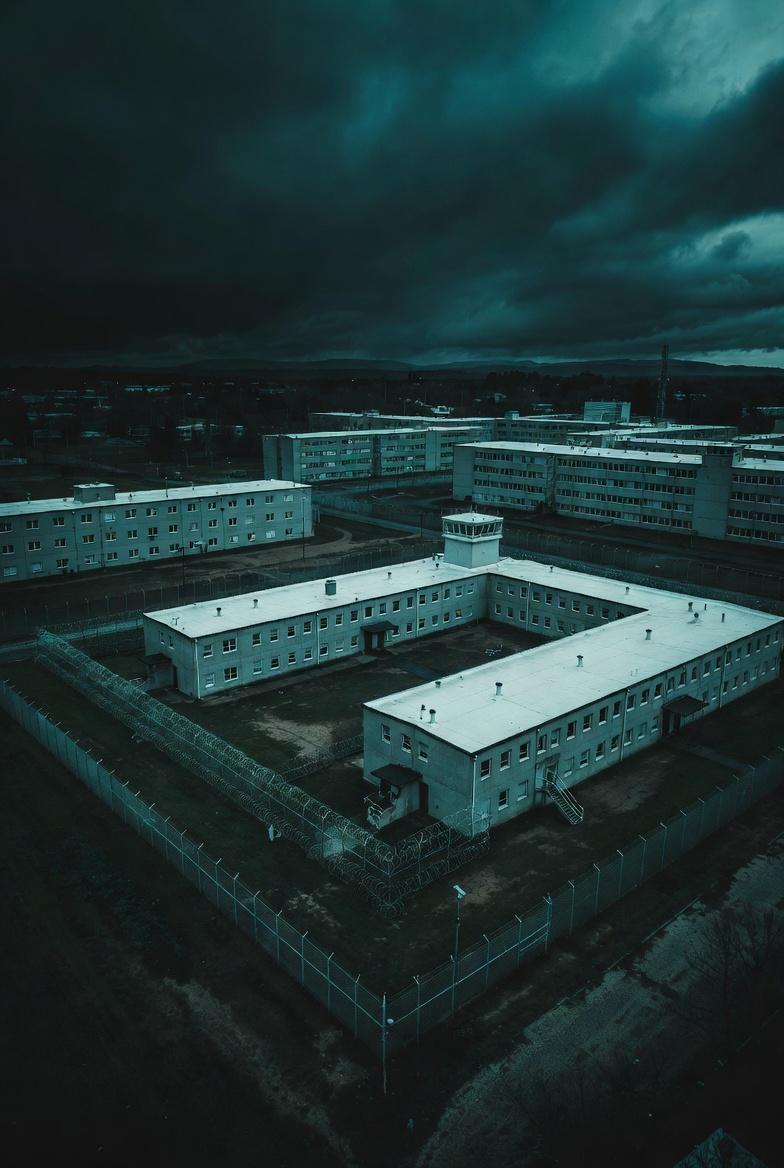
TDCJ - C.T. Terrell Unit (R3) is a state prison facility operated by the Texas Department of Criminal Justice, located at 1300 FM 655, Rosharon, TX 77583. Situated in Brazoria County, the Terrell Unit is one of several TDCJ facilities in the greater Houston region and is part of a broader network of Texas correctional facilities that collectively house one of the largest incarcerated populations in the United States.
Understanding why a loved one is held at a state prison facility like C.T. Terrell Unit requires some context about how Texas structures its correctional system. Texas is one of a handful of states that has codified a specific category of offense known as a state jail felony. These are generally lower-level, non-violent crimes — most commonly certain drug possession offenses and property crimes — that carry sentences ranging from 180 days to two years. Individuals convicted of state jail felonies are typically confined to designated state jail facilities rather than traditional penitentiaries. However, the Terrell Unit also houses offenders across various classification levels, so not all inmates are necessarily serving state jail felony sentences.
Families who are unsure whether a loved one is currently housed at this facility can search criminal records to find current incarceration status and related case information. For official TDCJ records, you can also use the state's online offender search tool. Additional information about the facility's specific role within the TDCJ system is available on the official TDCJ unit directory page for the Terrell Unit.
One of the distinguishing characteristics of the C.T. Terrell Unit is its location within the dense cluster of TDCJ facilities in Brazoria County, which allows for shared administrative resources and specialized staff across nearby units. This proximity can be practically significant for families, as support organizations and reentry services based in the area often serve multiple nearby units simultaneously.
The unit's classification as an R3 facility within the TDCJ system reflects a specific security and population designation. This classification informs everything from housing assignments to program eligibility, and it means the facility is equipped to manage a particular range of offender needs and risk levels. For families navigating the TDCJ system for the first time, understanding these classification codes can be an important step in knowing what to expect regarding access, programming, and transfer likelihood for their incarcerated loved one.
The C.T. Terrell Unit houses adult male offenders within the Texas Department of Criminal Justice system. The facility's population reflects a cross-section of the state's incarcerated population, including individuals serving sentences for state jail felonies, as well as those classified at various levels within the broader TDCJ framework.
Texas operates one of the largest state prison systems in the country, and the Terrell Unit contributes to that capacity by housing several hundred offenders at any given time. The population is subject to change based on statewide classification decisions, court orders, and transfer activity between TDCJ units. Inmates may be transferred to or from Terrell Unit based on their program needs, disciplinary history, medical requirements, or changes in their legal status. Families should be aware that population movement within TDCJ is relatively common, and it is worth confirming a loved one's current housing location before planning a visit.
Living conditions at the C.T. Terrell Unit are consistent with TDCJ standards, which govern everything from housing unit design to daily schedules, food service, and access to medical care. Inmates are housed in dormitory-style or cell-block arrangements depending on their classification level, and daily routines are structured around work assignments, meals, programming, and recreation periods.
The Texas Department of Criminal Justice is required to provide inmates with adequate nutrition, access to healthcare, and a safe environment under both state policy and federal constitutional standards. The Terrell Unit, like other TDCJ facilities in the Rosharon area, operates in a climate that can be extremely hot and humid during summer months — a well-documented challenge across Texas prison units. TDCJ has faced ongoing scrutiny over heat-related conditions in its facilities, and advocates have pushed for expanded access to air conditioning across the system.
Inmates generally have access to a commissary where they can purchase supplemental food, hygiene items, and other approved goods. Families can support their loved ones by ensuring their commissary accounts are funded, which can meaningfully improve day-to-day quality of life. For guidance on how this works, see our resource on how to send money to an inmate at a TDCJ facility.
The C.T. Terrell Unit offers a range of programs designed to address the educational, vocational, behavioral, and rehabilitative needs of its inmate population. These programs are an important part of TDCJ's broader mission to reduce recidivism and prepare individuals for successful reintegration into society upon release.
Educational offerings typically include adult basic education and GED preparation, giving inmates the opportunity to earn a high school equivalency credential during their incarceration. Vocational training programs may also be available, providing hands-on skills in trades that are in demand in the Texas labor market. Completion of these programs can improve an individual's employment prospects significantly after release.
Substance abuse treatment programs are a critical component of programming at many TDCJ units, particularly for those whose offenses were drug-related. Cognitive-behavioral programs aimed at addressing criminal thinking patterns and improving decision-making are also commonly offered. Faith-based programs and volunteer-led initiatives supplement the formal programming calendar and provide additional community and support structures for participants.
Inmates who actively engage with available programs may become eligible for sentence credits or other incentives under TDCJ policy. Families are encouraged to ask their incarcerated loved one about program eligibility and to support their participation where possible, as engagement with programming has consistently been shown to reduce the likelihood of reoffending after release.
The C.T. Terrell Unit is named in honor of a figure connected to the history of Texas corrections and public service, a tradition TDCJ has long maintained in naming its facilities after notable Texans. The unit is located in Rosharon, a community in Brazoria County that has historically been home to multiple TDCJ facilities, in part because of the region's available land and its proximity to the greater Houston metropolitan area.
The Brazoria County corridor, sometimes referred to informally as the TDCJ corridor, houses a significant concentration of state prison units. This geographic clustering has shaped the local economy and infrastructure over the decades, with many residents in surrounding communities employed by the Department of Criminal Justice in various capacities.
Over the years, the Terrell Unit has evolved in response to changing state sentencing policies, population pressures, and shifts in TDCJ's approach to rehabilitation and classification. Texas experienced dramatic growth in its prison population during the 1990s and early 2000s, which required rapid expansion of facilities statewide. The Rosharon area units, including Terrell, played a role in absorbing that growth. More recently, criminal justice reform efforts in Texas have focused on reducing recidivism through programming and treatment, and the Terrell Unit has adapted its offerings accordingly to reflect those evolving priorities.
No widely documented famous former inmates are associated with the C.T. Terrell Unit at this time. If you are researching the background of a specific individual who may have been incarcerated here, you can search public criminal records to access available arrest history, conviction data, and incarceration records.
Visitation at the C.T. Terrell Unit is an important way for families to maintain connections with their incarcerated loved ones, and TDCJ has established specific rules and procedures that all visitors must follow. Before your first visit, it is essential to get approved on the inmate's visitor list. The incarcerated individual must submit your name for inclusion, and TDCJ will conduct a background review of prospective visitors as part of the approval process.
Visitation schedules at the Terrell Unit are typically held on weekends and certain holidays, though exact hours and available days can change. Visitors should always confirm the current schedule directly with the facility before making travel plans, as schedules are subject to change due to lockdowns, staffing issues, or facility events. All visitors must present valid, government-issued photo identification upon arrival.
TDCJ maintains a dress code for visitors, and arriving in non-compliant attire may result in being turned away. Children under 18 must be accompanied by an approved adult guardian. For the most current visitation guidelines, refer to the official TDCJ unit page for the Terrell Unit.
Families can stay in touch with a loved one at the C.T. Terrell Unit through several approved communication channels. Phone calls from inmates are managed through TDCJ's contracted phone service provider, and calls are typically collect or prepaid through an account set up by the family member. Written correspondence is also permitted — mail should be addressed clearly with the inmate's full legal name and TDCJ identification number to ensure proper delivery.
Inmates may also have access to approved electronic messaging services depending on the facility's current offerings. As policies and service providers can change, it is best to confirm available options with the facility directly. If you are unsure whether your family member is currently housed at the Terrell Unit or need help locating them within the TDCJ system, see our guide on how to find an inmate in Texas for step-by-step instructions and resources.
Sponsored and Powered by our Partner TruthFinder
Quick Facts
Should I Be Concerned? — Family Guide
C.T. Terrell Unit maintains medium-security protocols designed to ensure the safety of visitors, staff, and inmates. All visitors must pass through security screening, including metal detectors and bag checks. Visiting areas are monitored by correctional staff, and clear behavioral guidelines are enforced to maintain a secure environment.
Families should familiarize themselves with TDCJ visiting rules prior to arrival, including approved items, dress codes, and prohibited behaviors. The facility provides separate visiting areas to minimize contact and maintain security. While the facility operates under strict safety measures, visitors should remain alert to their surroundings and follow all staff instructions during visits.
Neighborhood & Getting There
C.T. Terrell Unit is located in Rosharon, Texas, a rural area in Brazoria County approximately 35 miles south of Houston. The surrounding area is primarily agricultural and industrial, with limited commercial development. Nearby amenities include gas stations and small restaurants in surrounding communities. For overnight accommodations, visitors typically stay in nearby towns such as Alvin (20 minutes away) or Pearland (25 minutes away), which offer hotels, restaurants, and services.
The facility is accessible via Highway 36 and Highway 90A. Travel time from Houston is approximately 45 minutes to 1 hour depending on traffic and starting location. Visitors should plan for adequate travel time, as the facility is in a remote area. Cell service may be limited in some areas, so downloading directions beforehand is recommended.