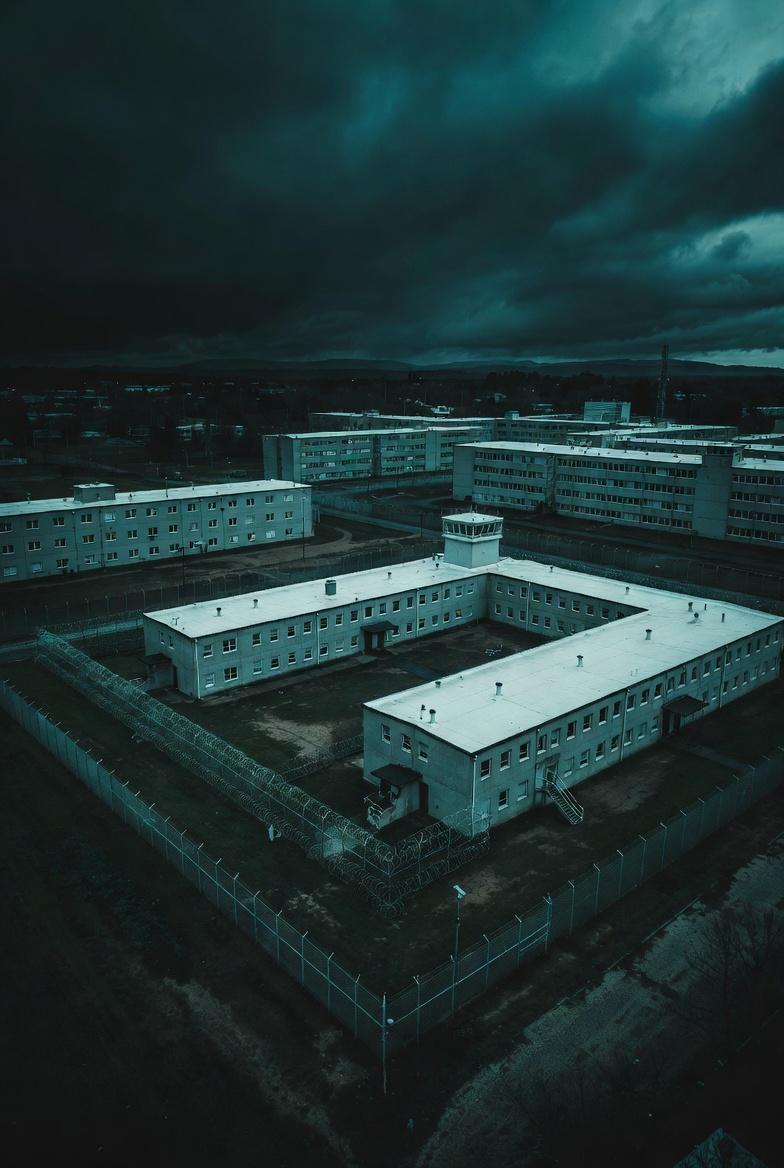
Susquehanna County PA Correctional Facility
County Jail | Pennsylvania County — Pennsylvania
Susquehanna County PA Correctional Facility is a county jail serving Susquehanna County in northeastern Pennsylvania. The facility is situated in Bridgewater Township and maintains its administrative mailing address at 137 Ellsworth Drive, Montrose, PA 18801. As one of many Pennsylvania correctional facilities, it plays a vital role in the regional criminal justice system by housing individuals at various stages of the legal process — from initial arrest and booking through sentencing and, in many cases, the serving of shorter-term sentences for misdemeanor or lower-level felony offenses.
Families trying to locate a recently detained loved one can contact the facility directly by phone at 570-278-7166. Staff can confirm whether an individual is currently being held at the jail and provide general guidance on next steps, including visitation scheduling and account setup for phone services. If you need to reach the facility by fax, the number is 570-278-7168. For families who are uncertain which facility a loved one may be held at, you can search public criminal records to check incarceration status, booking information, and recent arrest history.
Inmate phone calls at Susquehanna County PA Correctional Facility are managed through Global Tel Link (GTL) / ConnectNetwork. Friends and family members who wish to receive calls from an incarcerated individual must set up a prepaid account through the ConnectNetwork platform. The facility operates under the oversight of Susquehanna County government and is required to comply with all Pennsylvania Department of Corrections standards applicable to county-level prisons, including regulations governing inmate rights, healthcare, and programming.
One of the most notable characteristics of Susquehanna County PA Correctional Facility is its rural setting in Bridgewater Township — a distinction that meaningfully shapes both its operational culture and the day-to-day experience of incarcerated individuals and their families. Unlike large urban county jails that may house thousands of inmates across multiple wings or buildings, this facility operates on a smaller, more intimate scale that is typical of rural Pennsylvania county corrections.
This smaller size carries real implications for families and inmates alike. Staff-to-inmate ratios tend to be more manageable, which can allow for more individualized attention to inmate needs, faster communication with administrative staff, and a somewhat less impersonal environment than what one might encounter at a large metropolitan detention center. For families reaching out with questions about their loved one's status, housing assignment, or medical needs, the relatively compact nature of the facility can make navigation more straightforward.
The rural location also means that transportation to and from the facility can be a challenge for visiting family members who rely on public transit, as the Bridgewater Township area is not served by major bus or rail lines. Families planning visits should plan accordingly and arrange private transportation. Despite this geographic challenge, the facility's connection to the broader Susquehanna County community — and its accountability to local elected officials and taxpayers — gives it a distinctly community-oriented character that distinguishes it from state-level institutions.
The inmate population at Susquehanna County PA Correctional Facility consists primarily of individuals from within Susquehanna County and the surrounding region of northeastern Pennsylvania. On any given day, the jail houses a mix of pretrial detainees — those who have been charged with a crime but not yet convicted and are either unable to post bail or held without bail — as well as sentenced individuals serving shorter terms, typically up to two years for misdemeanor offenses or certain lower-level felonies that fall within the county jail's jurisdiction under Pennsylvania law.
The population reflects many of the same demographic and social trends seen across rural Pennsylvania county jails: a significant share of detainees are held on drug-related charges, including offenses connected to opioid use, methamphetamine, and other controlled substances. Many individuals in the facility have underlying mental health conditions or substance use disorders, which poses ongoing challenges for staff and highlights the importance of diversion programs and reentry planning.
Because the facility is relatively small, population management is an ongoing administrative priority. Overcrowding — a chronic issue at many county jails in Pennsylvania — may at times require coordination with the state Department of Corrections or neighboring county facilities for housing overflow. The population is classified upon intake, with housing assignments determined by factors such as the nature of the offense, criminal history, behavioral risk assessment, and any special housing needs such as protective custody or medical requirements. For those researching whether a specific individual is currently housed at the facility, our guide on how to find an inmate provides step-by-step instructions for locating someone in the Pennsylvania corrections system.
Living conditions at Susquehanna County PA Correctional Facility are governed by Pennsylvania's standards for county prisons, which establish minimum requirements for housing space, nutrition, healthcare access, sanitation, and inmate rights. Inmates are housed in general population units, with classification determining housing assignments based on factors such as offense type, prior behavioral history, protective custody needs, and any medical or mental health considerations.
Meals are provided three times daily and must meet nutritional standards established by state guidelines. Inmates with documented dietary restrictions, religious food requirements, or medically necessary dietary modifications may receive alternative meal options upon proper documentation and review. Access to clean water, adequate bedding, hygiene products, and sanitary restroom facilities is required by state standards and monitored through periodic inspections.
Healthcare services at the facility include access to medical staff for routine health concerns, medication management, and urgent care needs. Mental health support is also available, recognizing the high proportion of inmates who enter the facility with existing psychiatric conditions or substance use disorders. Inmates may be referred to outside medical providers when care exceeds what can be provided on-site. The facility is also required to provide access to legal resources, including the ability to correspond with attorneys and participate in court proceedings, whether in person or via video arraignment and hearings. Recreational time, including access to outdoor or indoor exercise areas, is scheduled as part of the daily routine in accordance with state requirements.
Susquehanna County PA Correctional Facility offers a range of programs designed to support inmate well-being, address underlying risk factors for reoffending, and improve outcomes for individuals following their release. While the scope of programming at a smaller county jail is naturally more limited than what is available at a large state prison, the facility works to provide meaningful opportunities for education, skill-building, personal development, and rehabilitative support during an inmate's period of incarceration.
Educational programming may include GED preparation and basic literacy assistance, giving inmates the opportunity to work toward credentials that will meaningfully improve their employment prospects upon release. These programs are especially important for individuals who did not complete high school prior to their incarceration. Vocational training opportunities, where available, help participants develop practical, marketable skills.
Substance use treatment and counseling programs play a particularly important role at the facility given the significant number of drug-related cases in the local inmate population. Programs may include individual counseling sessions, group therapy, and evidence-based treatment curricula designed to address addiction and support long-term recovery. Cognitive-behavioral programs aimed at helping inmates recognize and change patterns of thinking that contribute to criminal behavior are also commonly offered at Pennsylvania county jails of this type.
Faith-based programming and volunteer-led services from community organizations supplement the facility's in-house offerings, providing additional support and a connection to outside community networks that can be valuable for reentry planning. Case managers and social workers may work with inmates approaching release to develop individualized reentry plans, connecting them with housing resources, employment assistance, and community supervision as appropriate.
Susquehanna County has maintained a county-level correctional infrastructure for well over a century, reflecting the longstanding need for local detention and public safety resources in this rural corner of northeastern Pennsylvania. Like many Pennsylvania county jails, the facility evolved considerably over the decades in response to changing state standards, shifting inmate population demands, and evolving philosophies around inmate rehabilitation, mental health support, and facility management.
The current facility represents a modernized approach to county-level incarceration. It has been substantially updated over the years to meet Pennsylvania Department of Corrections oversight standards and state licensing requirements for county prisons, which mandate specific conditions related to housing, healthcare access, programming, sanitation, and inmate classification. Susquehanna County, while relatively rural and sparsely populated compared to Pennsylvania's urban centers, has faced the same broad criminal justice challenges seen across the state — including increases in drug-related offenses, mental health-related detentions, and the administrative demands of managing a pretrial population with complex legal needs.
The jail's history is deeply tied to the county's broader history of civic development and public governance. Susquehanna County was established in 1810, and local detention infrastructure has existed in various forms since the early days of the county. The evolution from a basic 19th-century lockup to a compliant, modern correctional facility reflects decades of investment by county government in public safety infrastructure. Today, the facility operates as an essential component of the local justice system, coordinating closely with the Susquehanna County Sheriff's Office, the Court of Common Pleas, the district attorney's office, and state parole and probation agencies.
No widely documented famous former inmates are associated with Susquehanna County PA Correctional Facility. As a small rural county jail primarily serving the local population of Susquehanna County and the surrounding region of northeastern Pennsylvania, the facility does not have a notable public record of housing high-profile individuals. The cases processed through this jail reflect the everyday criminal justice activity of a rural Pennsylvania community rather than the high-profile criminal matters more commonly associated with larger urban facilities.
If you are researching a specific person's incarceration history, booking records, or criminal background in connection with this facility or elsewhere in Pennsylvania, you can search criminal records using publicly available data to find arrest history, court records, and incarceration information.
Visitation at Susquehanna County PA Correctional Facility serves as a critical lifeline between incarcerated individuals and their families, and research consistently shows that maintaining these connections significantly improves outcomes for inmates both during and after incarceration. The facility maintains a structured visitation schedule that all visitors must adhere to, and all prospective visitors are required to be listed on an approved visitor list established by the inmate prior to their visit.
First-time visitors should contact the jail directly at 570-278-7166 to confirm current visitation hours, scheduling procedures, and any specific requirements before making the trip to Bridgewater Township. Visitors should be prepared to present a valid, government-issued photo identification at check-in, and minors are typically required to be accompanied by an approved adult guardian. Dress codes are enforced, and visitors wearing clothing that resembles inmate uniforms or that is deemed inappropriate by facility staff may be turned away. It is always advisable to call ahead and verify current policies, as schedules and procedures can change.
The facility may also offer video visitation options, which can be a practical alternative for family members who live far away or who have difficulty arranging transportation to the rural Bridgewater Township location. For up-to-date visitation schedules, rules, and any temporary changes due to facility operations or emergency circumstances, families should consult the Susquehanna County Prison official website or call the facility directly. Families may also wish to explore options to send money to an inmate's commissary account to help cover personal expenses during their incarceration.
There are several ways to stay in meaningful contact with someone incarcerated at Susquehanna County PA Correctional Facility, and maintaining regular communication can make a significant difference in an inmate's mental health and successful reintegration after release.
Phone Calls: Inmate phone calls are managed through Global Tel Link (GTL) / ConnectNetwork. To receive calls, family members and friends must create a prepaid account at the ConnectNetwork website and fund it in advance. Calls are typically charged on a per-minute basis, and rates are set in accordance with FCC regulations for inmate telephone services. It is important to note that all inmate phone calls — with the exception of calls to verified legal counsel — may be recorded and monitored.
Written Mail: Inmates may send and receive written correspondence. Incoming mail should be addressed to the inmate using their full legal name and inmate identification number at the facility's mailing address: 137 Ellsworth Drive, Montrose, PA 18801. All incoming mail is inspected for contraband before delivery. Greeting cards, letters, and photographs are typically permitted, though restrictions on content apply. Do not send cash, checks, or packages through the mail — these will not be delivered.
Sending Money: Funds can be deposited into an inmate's commissary account to allow them to purchase approved personal items, additional phone time, and other necessities from the jail store. Deposits can typically be made through the GTL / ConnectNetwork platform, by money order addressed to the facility, or through approved third-party kiosk services. Cash is not accepted at the facility. For a full walkthrough of this process, see our guide on how to send money to an inmate.
Email: Some county jails in Pennsylvania participate in electronic messaging platforms that allow families to send and receive messages online for a small fee. Contact the facility directly at 570-278-7166 to confirm whether this service is currently available. If you are unsure where to start or need help locating someone in the system, our step-by-step resource on how to find an inmate can guide you through the process.
Sponsored and Powered by our Partner TruthFinder
Quick Facts
Should I Be Concerned? — Family Guide
Susquehanna County Correctional Facility maintains rigorous security standards to ensure the safety and wellbeing of all visitors, staff, and inmates. All guests undergo mandatory screening procedures upon entry, including metal detection, bag inspection, and photo identification verification. The facility operates in full compliance with Pennsylvania Department of Corrections standards, with trained personnel monitoring all areas and enforcing strict conduct policies.
Families visiting should expect professional, courteous treatment and clear communication of facility rules. Security protocols are designed to be thorough yet respectful. Visitors must comply with all screening procedures and facility guidelines, including dress code requirements and restricted items policies. Contact the facility in advance to confirm current security procedures and any special accommodations needed for your visit.
Neighborhood & Getting There
Susquehanna County Correctional Facility is situated in Bridgewater Township within rural northeastern Pennsylvania, offering a quiet, pastoral environment. The sparsely populated setting provides a peaceful backdrop while maintaining accessibility to essential services. The nearest significant towns—Montrose (approximately 15 miles) and Athens (approximately 20 miles)—offer dining options, basic retail, and visitor accommodations.
For traveling families, Interstate 81 is approximately 30 minutes away, providing regional connectivity. The Athens and Sayre areas offer several lodging options ranging from budget-friendly to mid-range hotels. Local dining includes casual restaurants and chain establishments. The rural setting means visitors should plan ahead for meals and supplies, as amenities are more limited than in urban areas. GPS coordinates and detailed directions are recommended before traveling to the facility.