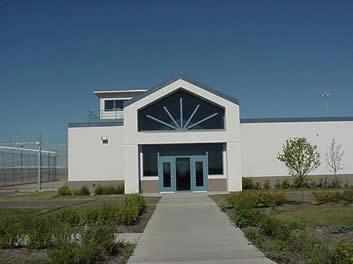
Stanley Correctional Institution
State Prison | Chippewa County — Wisconsin | Wisconsin Department of Corrections
Stanley Correctional Institution is a medium-security state prison located in the city of Stanley, Wisconsin, a small Chippewa County community with a population of roughly 3,600 residents. The facility is operated by the Wisconsin Department of Corrections and serves as one of the state's primary medium-security housing units for adult male offenders. Stanley CI is one of many facilities listed among Wisconsin correctional facilities, and families can use this directory to locate and learn more about institutions across the state.
The prison has an official capacity of approximately 1,500 beds, though average daily population has historically hovered around 1,550 inmates, reflecting the broader overcrowding pressures facing the Wisconsin DOC. Inmates are assigned to specific housing units based on a combination of factors, including the nature of their offense, current risk and needs assessment scores, programming participation, and overall institutional behavior. This classification system helps staff manage the population safely while directing individuals toward appropriate rehabilitative resources.
Construction on Stanley Correctional Institution was completed and the facility began receiving inmates in 1998. Since its opening, the prison has undergone various operational updates to meet evolving correctional standards. The facility currently operates under the leadership of institutional administration accountable to the Wisconsin DOC central office. If you have a loved one incarcerated here, you can search criminal records to verify current incarceration status and review case details before contacting a criminal defense attorney or other legal resource.
One of the defining characteristics of Stanley Correctional Institution is its role as a mid-sized, medium-security facility that bridges the gap between lower-security community corrections centers and higher-security prisons. Unlike maximum-security institutions, Stanley CI is designed to balance secure confinement with access to meaningful rehabilitative programming, making it a facility where inmates can realistically work toward reduced risk scores and eventually transition to lower-security placements.
The institution's location in rural Chippewa County also sets it apart. While the remote setting can make travel difficult for visiting family members, it also contributes to a relatively stable and controlled institutional environment. The facility benefits from strong ties to the surrounding community, including partnerships with local employers and vocational training providers. Stanley CI's emphasis on workforce readiness and behavioral programming reflects the Wisconsin DOC's broader commitment to reducing recidivism through structured intervention rather than simple incarceration.
Stanley Correctional Institution houses adult male offenders classified at the medium-security level by the Wisconsin Department of Corrections. The facility's official capacity stands at approximately 1,500 inmates, though operational population figures have historically exceeded that number, averaging around 1,550 individuals at any given time — a reflection of the ongoing capacity challenges faced by the state's correctional system.
The inmate population at Stanley CI is diverse in terms of offense type, sentence length, and programming needs. Residents include individuals serving sentences for a wide range of felony offenses, from property crimes and drug-related convictions to more serious violent offenses that have been reclassified to medium security over time. Inmates are regularly reassessed using the DOC's risk and needs tools, and housing assignments may be adjusted based on behavior, program completion, and proximity to release date. This dynamic classification process helps ensure that each individual is placed in an environment appropriate to their current risk level.
Living conditions at Stanley Correctional Institution are consistent with Wisconsin DOC standards for medium-security facilities. Inmates are housed in dormitory-style or cell-block units, depending on their classification and housing availability. Each housing area includes access to basic amenities such as lavatories, common areas for recreation and socializing, and designated spaces for programming and education.
Meals are provided three times daily through the facility's food service operation, which must meet nutritional guidelines established by the Wisconsin DOC. Inmates with documented medical dietary needs may receive modified meal plans. Medical and mental health services are available on-site, with more specialized care arranged through outside providers when necessary.
Recreation opportunities include both indoor and outdoor activities, with access to an exercise yard, gymnasium, and organized sports in some cases. Inmates are also able to purchase additional items — including hygiene products, snacks, and approved electronics — through the facility's commissary program. Maintaining adequate commissary funds is important for quality of life inside, and families can contribute by learning how to send money to an inmate through approved channels. Overall, while conditions are institutional in nature, the facility is maintained in compliance with state and federal health and safety regulations.
Stanley Correctional Institution offers a range of programs designed to address the educational, vocational, and behavioral needs of its inmate population. The Wisconsin Department of Corrections places strong emphasis on evidence-based programming as a key strategy for reducing recidivism and preparing individuals for a successful return to their communities.
Educational offerings at Stanley CI include adult basic education (ABE), GED preparation and testing, and in some cases access to post-secondary coursework. Vocational training programs give inmates the opportunity to develop marketable job skills in trades such as manufacturing, custodial services, or other fields aligned with local employer demand. Completing vocational certifications can significantly improve an inmate's employment prospects upon release.
Behavioral and cognitive programming is also a cornerstone of Stanley CI's approach. Programs rooted in cognitive behavioral therapy (CBT) help participants identify and change thinking patterns that contribute to criminal behavior. Substance abuse treatment programs are available for those with documented drug or alcohol dependencies. Additionally, faith-based programs, life skills courses, and reentry planning services help inmates prepare for the practical challenges of life after incarceration. Participation in these programs is factored into an inmate's overall risk reassessment and can influence decisions related to custody level, release planning, and supervision conditions.
Stanley Correctional Institution opened its doors in 1998 as part of a broader effort by the Wisconsin Department of Corrections to expand the state's medium-security prison capacity. Throughout the 1990s, Wisconsin — like many states — experienced a significant increase in its incarcerated population driven by tougher sentencing laws, mandatory minimums, and increased enforcement of drug-related offenses. The state recognized the need for additional facilities that could house a large number of medium-risk adult males while also offering structured rehabilitative programming.
The city of Stanley, situated in Chippewa County in northwest Wisconsin, was selected as the site for the new institution. Its rural location provided the necessary land and infrastructure, and the facility's construction brought steady employment to the local community — a common economic benefit in regions that host correctional institutions. Since opening, Stanley CI has grown to become one of the Department of Corrections' busier medium-security facilities.
Over the years, the institution has adapted its programming and housing arrangements to align with shifting DOC priorities, including an increased emphasis on evidence-based programming, cognitive behavioral therapy, and vocational training. Periodic reviews by the Wisconsin DOC have shaped policies related to inmate classification, disciplinary procedures, and staff training at the facility. Today, Stanley Correctional Institution continues to play an important role in the Wisconsin correctional system, housing over 1,500 adult male offenders and working to prepare inmates for successful reintegration into society upon release.
No widely documented famous former inmates are known to have been housed at Stanley Correctional Institution. If you are researching an individual's incarceration history or criminal background, you can search criminal records through public records databases to access available court and correctional information.
Visitation is an important part of maintaining family connections during incarceration, and Stanley Correctional Institution has established procedures to facilitate in-person visits in a safe and orderly manner. All visitors must be on the inmate's approved visitor list before arriving at the facility. Inmates are responsible for submitting visitor applications to institutional staff, and approval is subject to a background review process that may take several weeks to complete.
Visits are typically scheduled on weekends and designated weekday hours, though the specific schedule is subject to change based on institutional needs and staffing. Visitors are required to present a valid government-issued photo ID upon arrival and must comply with the facility's dress code and conduct policies. Children under a certain age must be accompanied by an approved adult who is also on the visitor list.
For the most current and accurate visitation schedule, rules, and approved attire guidelines, families should review the official Stanley CI visiting information document provided by the Wisconsin DOC. Contacting the facility directly at (715) 644-2960 before your first visit is strongly recommended to confirm current procedures and availability.
Families and friends can stay in contact with inmates at Stanley Correctional Institution through several approved channels. Phone calls are available through the facility's contracted phone service provider, and accounts can typically be set up online or by phone to allow collect or prepaid calls. Written correspondence is permitted and should be addressed to the inmate using their full legal name and DOC identification number, sent to the facility's mailing address. Email-style messaging may also be available through the DOC's approved electronic messaging platform.
To locate a specific individual currently housed at Stanley CI, see our guide on how to find an inmate, or use the Wisconsin DOC's official Stanley Correctional Institution facility page to access the inmate locator tool. You can also look up an inmate's arrest history and case records using public records search tools for additional background information. For general inquiries, the facility can be reached by phone at (715) 644-2960.
Sponsored and Powered by our Partner TruthFinder
Quick Facts
Should I Be Concerned? — Family Guide
Stanley Correctional Institution is a medium-security facility with established safety protocols designed to protect visitors, staff, and inmates. All visitors must pass through security screening, metal detection, and background verification before entry. The facility maintains controlled visitation areas with supervised interactions to ensure a secure environment for family visits.
While incidents at correctional facilities are monitored and reported, Stanley maintains professional standards for visitor safety. Families should familiarize themselves with facility rules, avoid bringing prohibited items, and follow all staff instructions during visits. For additional peace of mind, visitors can research facility safety records and background information about the institution through public corrections department databases.
Neighborhood & Getting There
Stanley, Wisconsin is a rural community in Chippewa County in the northwestern part of the state. The area is characterized by natural woodlands and quiet residential neighborhoods. The facility is located approximately 40 minutes from Chippewa Falls, 60 minutes from Eau Claire, and 90 minutes from the Minneapolis-St. Paul metropolitan area. The surrounding area offers basic amenities including gas stations, restaurants, and small retail establishments.
For family visits, nearby lodging options include hotels in Chippewa Falls and Eau Claire, which are the closest communities with more extensive hospitality services. Visitors should plan for approximately 1-2 hours of driving time depending on origin. The facility is accessible by vehicle via State Highway 27. Winter driving conditions should be considered when planning visits, as the region receives significant snowfall during colder months.