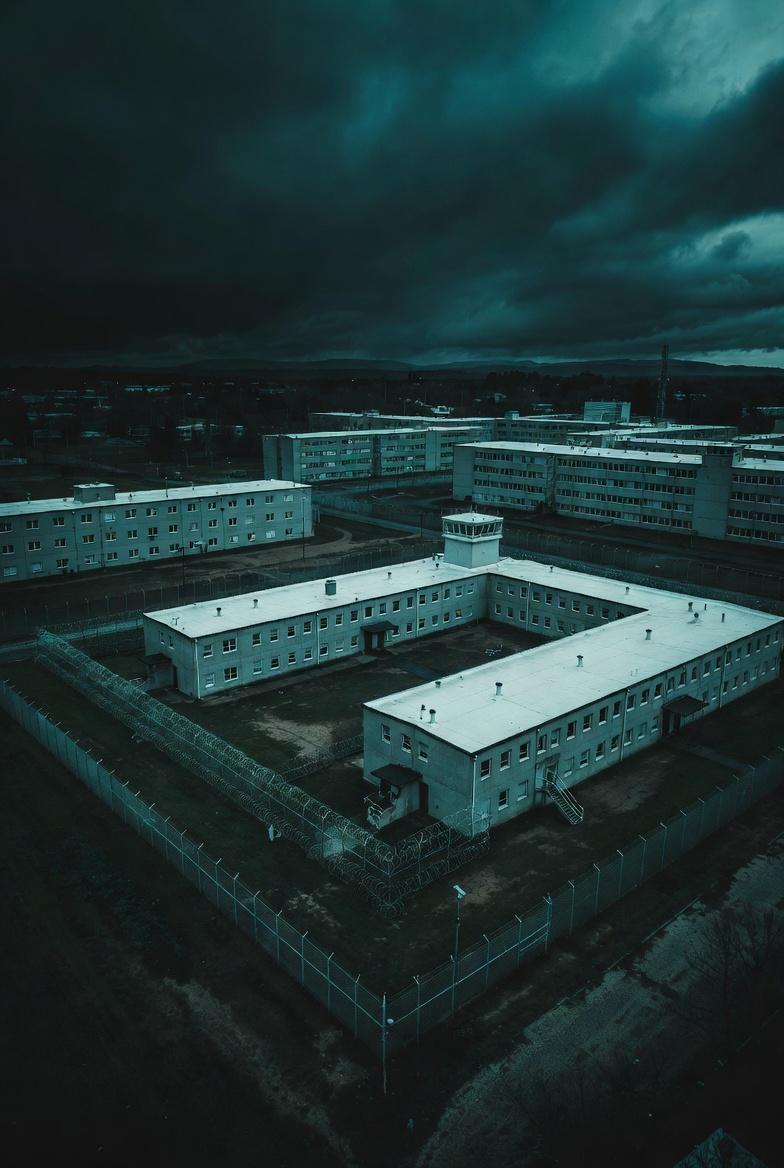
Shawono Juvenile Center is a state-operated juvenile correctional facility located at 10 North Howes Lake Road, Grayling, MI 49738, nestled in the forested Crawford County region of northern Michigan. Unlike adult correctional institutions, Shawono is specifically designed to house male juvenile offenders who have been committed to the Michigan Department of Health and Human Services (MDHHS) through the state's juvenile justice system. As one of many facilities in Michigan correctional facilities, Shawono serves youth from across the entire state rather than a single county or district.
It is important to understand how juvenile facilities like Shawono differ from adult county jails and state prisons. Residents at Shawono are young people — typically between the ages of 13 and 19 — who have been adjudicated delinquent by a Michigan family court and subsequently placed under state supervision. The facility operates with both a correctional and rehabilitative mission, meaning that security and accountability are balanced with education, counseling, and skill-building programs intended to reduce recidivism and support successful reintegration into the community.
Because the circumstances surrounding juvenile commitments can be complex and vary significantly from case to case, families are encouraged to stay informed about their child's legal status and placement. If you are unsure whether a young person is currently housed at Shawono or another Michigan juvenile facility, you can search public criminal records to help clarify their legal history and current status. For official state guidance on Michigan's juvenile justice system, you may also visit the Michigan Department of Health and Human Services website.
One of the most notable distinguishing features of Shawono Juvenile Center is its dual emphasis on security and rehabilitation tailored specifically to adolescent male offenders. Unlike adult correctional facilities, every aspect of Shawono's operations — from its staffing model to its daily schedule — is designed with the developmental needs of young people in mind. The facility's setting in northern Michigan's natural landscape also sets it apart; the wooded, rural environment supports programming that incorporates outdoor activities and structured recreation, which research has shown can be particularly beneficial for youth with trauma histories.
Another distinguishing characteristic is Shawono's integration of accredited academic education directly within the facility. Residents are required to attend school while committed, ensuring that their educational development is not interrupted by their involvement in the justice system. This focus on education, combined with vocational and life-skills programming, gives Shawono a distinctly forward-looking character among Michigan juvenile justice facilities.
Shawono Juvenile Center houses male juvenile offenders committed to the Michigan Department of Health and Human Services through the state's family court system. The resident population typically ranges from mid-adolescence to late adolescence, generally between the ages of 13 and 19, though specific age ranges can vary depending on individual court orders and program placements.
Residents come from communities across the entire state of Michigan, meaning the population reflects a diverse cross-section of backgrounds, offense histories, and personal circumstances. Commitment offenses can range from serious property crimes and drug offenses to violent offenses that warranted removal from the community. The facility is designed to accommodate youth whose needs and risk levels require a secure residential placement rather than a community-based alternative. Population size at Shawono is managed by the MDHHS to ensure adequate staffing ratios and appropriate programming capacity for each resident.
Living conditions at Shawono Juvenile Center are structured to reflect the facility's rehabilitative mission while maintaining the level of security necessary for a state juvenile correctional facility. Residents are housed in designated living units where daily routines are carefully organized to include academic instruction, programming, meals, recreation, and personal time. A consistent, predictable daily schedule is considered an important element of the therapeutic environment, helping young people develop structure and self-regulation skills.
Each resident's basic needs — including housing, meals, clothing, medical care, and mental health services — are provided by the facility. Shawono maintains a policy of treating residents with dignity, and staff are trained in adolescent development and trauma-informed care practices. Physical spaces include classrooms, recreational areas, and counseling rooms to support the various components of each resident's individualized treatment plan.
Family contact is considered an important part of a young person's success, and the facility generally supports communication between residents and their families through approved visits, phone calls, and written correspondence. Families are encouraged to remain actively involved throughout their child's commitment to support a positive reintegration outcome upon release.
Shawono Juvenile Center offers a range of programs specifically designed to address the educational, behavioral, and social needs of its juvenile male population. At the core of the facility's programming is an accredited academic education program, which allows residents to continue earning credits toward a high school diploma or GED while committed. Qualified teachers provide instruction across core subjects, and the academic program is aligned with Michigan educational standards to ensure that credits transfer upon release.
Beyond academics, Shawono provides cognitive-behavioral programming aimed at helping young people identify and change the thinking patterns that contributed to their delinquent behavior. These evidence-based interventions are widely used in juvenile justice settings and have demonstrated effectiveness in reducing recidivism rates among adolescent offenders.
Additional programming typically includes:
- Individual and group counseling to address trauma, substance use, and mental health needs
- Life skills training, covering practical topics such as budgeting, employment readiness, and healthy relationships
- Recreational and physical fitness activities, which support both physical health and emotional regulation
- Vocational and career exploration opportunities designed to improve post-release employment prospects
- Family engagement programming to strengthen family relationships and prepare for reunification
Each resident at Shawono is assessed upon arrival, and an individualized treatment plan is developed to guide their participation in programs throughout their commitment. Progress is reviewed regularly by facility staff and MDHHS case managers.
Shawono Juvenile Center has operated for several decades as part of Michigan's broader network of state-run juvenile justice facilities. The facility was established to provide a structured, secure residential environment for male youth committed to the care of the state following adjudication in Michigan's family court system. Its location in Grayling — a small city in Crawford County surrounded by state forests and the Au Sable River corridor — was chosen in part for its relative remoteness, which supports a focused therapeutic environment while minimizing the disruptive influences that can be present in more urban settings.
Over the years, Shawono has evolved in response to shifting philosophies in juvenile justice. Early juvenile correctional models in Michigan emphasized strict discipline and confinement. Beginning in the late 20th century, however, state and national research consistently demonstrated that purely punitive approaches were ineffective for young offenders. Shawono adapted accordingly, gradually incorporating evidence-based rehabilitative programming, mental health services, and academic instruction into its core operations.
The facility has been administered under the MDHHS Juvenile Justice division, which oversees the placement and treatment of youth committed to the state. Michigan has periodically reviewed and restructured its juvenile justice facilities to improve outcomes, and Shawono has been part of those ongoing reform efforts. Today, the center reflects a modern juvenile correctional philosophy that prioritizes accountability alongside meaningful opportunities for young people to develop the skills they will need upon release.
No widely documented famous former inmates are associated with Shawono Juvenile Center at this time. Because the facility houses juvenile offenders, identifying information about residents is generally protected under Michigan's juvenile justice confidentiality laws, which limit public disclosure of youth records. If you are researching an individual's background or legal history, you can search criminal records through public records databases for any available information.
Visitation is an important part of the rehabilitative process at Shawono Juvenile Center, and families are strongly encouraged to maintain regular contact with their child during their commitment. Visits help reinforce family bonds that are critical to a young person's long-term success and successful reintegration into the community. All visitation is subject to facility rules and must be pre-approved by facility staff.
Before scheduling a visit, family members and approved guests must typically complete an approval process that may include providing identification and undergoing a background review. Visitors should contact Shawono directly at (989) 348-6641 to confirm current visitation schedules, approved visitor procedures, and any rules regarding what may be brought into the facility. Visitation schedules may vary and can be affected by facility programming, holidays, or security considerations.
During visits, guests are expected to comply with all facility dress code requirements and behavioral standards. Contact visits may be available depending on the resident's placement level and behavior record. In addition to in-person visits, families can often stay connected through approved phone calls and written mail. Families may also wish to send money to their child's commissary account to help cover personal needs during their stay.
To contact a resident at Shawono Juvenile Center, families and approved individuals can reach the facility directly by phone at (989) 348-6641 or by mail at 10 North Howes Lake Road, Grayling, MI 49738. All incoming and outgoing correspondence is subject to review in accordance with facility policies, and families should ensure that all letters comply with established mail guidelines to avoid delays.
Phone calls from residents are typically made through a monitored system and must be made to pre-approved numbers. Families should confirm the specific procedures for setting up phone access with facility staff. If you are unsure whether your loved one is currently placed at Shawono or another Michigan facility, our guide on how to find an inmate can walk you through the steps. You can also look up an inmate's arrest history using public records tools to better understand their current legal situation.
Sponsored and Powered by our Partner TruthFinder
Quick Facts
Should I Be Concerned? — Family Guide
Shawono Juvenile Center maintains secure facilities with controlled access and professional security measures to ensure the safety of visitors, staff, and residents. All visitors undergo security screening upon arrival, including bag checks and metal detection. Families should expect standard institutional procedures and follow all posted guidelines during visits.
The facility is located in a rural area of northern Michigan. Visitors should plan accordingly for weather conditions, especially during winter months, and allow extra travel time. No contraband items are permitted inside the facility. For specific safety information or concerns, contact the facility directly before your visit to understand current policies and procedures.
Neighborhood & Getting There
Shawono Juvenile Center is situated in Grayling, Michigan, a small town in Crawford County in the northern Lower Peninsula. The surrounding area features the scenic Au Sable River region and is known for outdoor recreation opportunities including fishing, hunting, and hiking. The town center offers basic services, restaurants, and shops within a 10-minute drive of the facility.
Nearby accommodations include several hotels and motels in downtown Grayling, approximately 15 minutes from the center, such as the Grayling Holiday Inn and various bed-and-breakfasts. The facility is roughly 45 minutes from Grayling Regional Airport and about 3.5 hours north of Detroit. I-75 provides the primary vehicle access to the area. Families traveling from southern Michigan should plan for a full day of driving and consider lodging options if visiting from a distance.