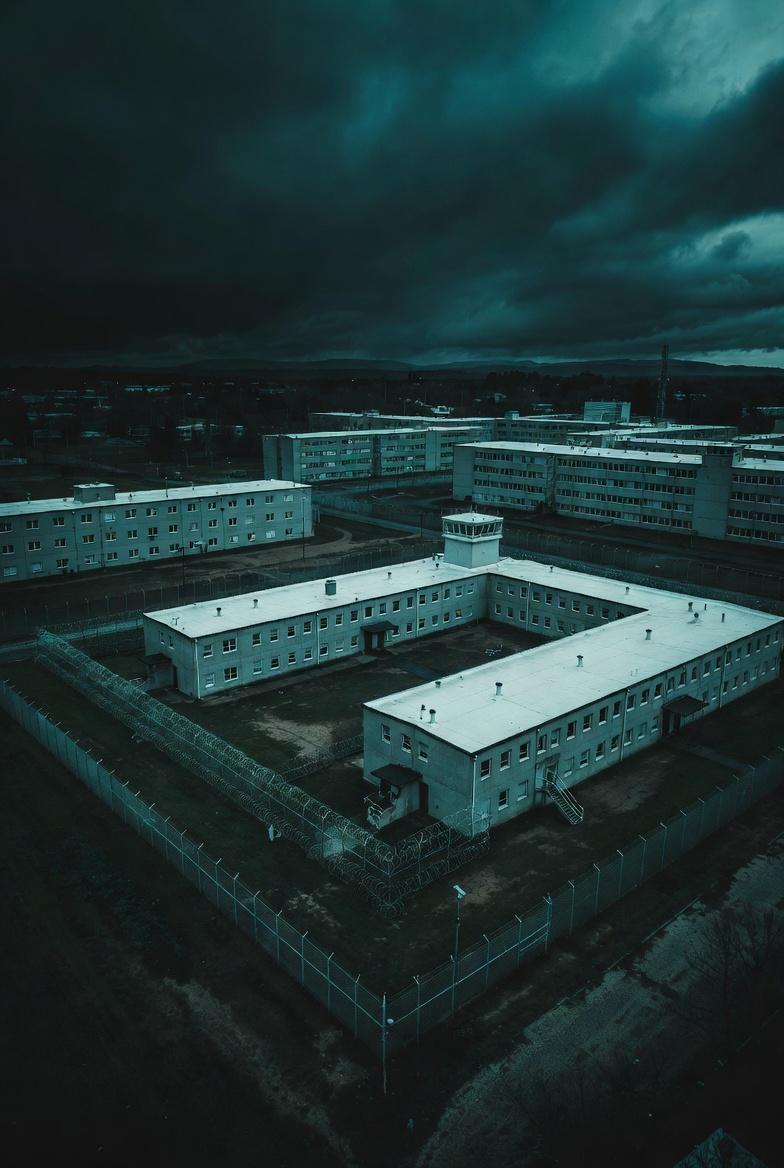
Salt Lake City UT Police Jail is a municipal police jail facility located at 315 East 200 South, Salt Lake City, UT 84111, serving the Central City area and the broader Salt Lake City metropolitan region. Operated by the Salt Lake City Police Department, this facility functions as one of the primary short-term detention centers in the state, and is one of many facilities listed among Utah correctional facilities. The jail's main contact number is 801-799-3000, and family members attempting to locate a recently detained loved one should start by calling that number directly.
Municipal and police jails like this one — sometimes called city jails or town jails — serve a distinct and important role in the local criminal justice system. They are typically the first place a person is brought following an arrest that occurs within Salt Lake City limits or in a nearby municipality that designates this facility as its official holding location. Because of this, the jail primarily houses pre-trial detainees: individuals who have been arrested but have not yet had their case resolved in court. However, the facility may also hold individuals serving short sentences for minor offenses, most commonly misdemeanor convictions.
It is important for families to understand that not everyone arrested in Salt Lake City will remain at this facility. Depending on the nature of the charges, court orders, or capacity considerations, a detainee may be transferred to the Salt Lake County Jail or another regional facility within a matter of hours or days. If you are unable to locate your loved one through the police jail, you may need to contact multiple facilities. Families can also search criminal records to find current incarceration status and booking information when direct contact with the facility is not immediately possible.
Unlike larger county or state prisons, municipal jails are generally supervised by the local police chief in coordination with city government leadership. This structure allows for a degree of flexibility in operations and typically results in a smaller, more manageable environment for both staff and detainees. While the conditions and available resources are more limited than at larger correctional institutions, the smaller scale can also mean a more accessible experience for families navigating the system for the first time.
One of the most notable characteristics of the Salt Lake City UT Police Jail is its central location within one of the Mountain West's largest and most active urban environments. Situated in the heart of Salt Lake City's Central City neighborhood, the facility is directly integrated with the Salt Lake City Police Department's operations, allowing for rapid booking, processing, and case coordination with local prosecutors and courts.
This close institutional relationship between the jail and the police department streamlines the early stages of the criminal justice process. Detainees are typically processed quickly, and their information is made available to relevant agencies in a timely manner. The facility also benefits from proximity to the Salt Lake City Justice Court and other legal resources, which can expedite hearings and first appearances for those held pre-trial.
Another distinguishing aspect is the facility's role as a temporary gateway into the broader Utah correctional system. For many individuals, this jail represents their first — and sometimes only — contact with incarceration, making it a critical point of intervention for legal counsel, family communication, and connection to social services.
The inmate population at Salt Lake City UT Police Jail is composed primarily of pre-trial detainees — individuals who have been arrested and are awaiting bail determination, arraignment, or further court proceedings. The population is transient by nature, with many individuals held for periods ranging from a few hours to several days before being released, transferred, or remanded to a longer-term facility such as the Salt Lake County Jail.
In addition to pre-trial detainees, the facility may house individuals serving short-term sentences for misdemeanor offenses, including low-level drug charges, disorderly conduct, or traffic-related violations. The population reflects the demographic diversity of Salt Lake City itself, which has grown considerably in recent years and is home to a wide range of communities.
Because of the short-term and fluid nature of the population, capacity at police jails can fluctuate significantly day to day. Families should be aware that their loved one's housing status may change quickly, and regular check-ins with the facility or through public records tools are advisable to stay informed about a detainee's current location and status.
Living conditions at the Salt Lake City UT Police Jail are consistent with those found at most short-term municipal detention facilities in the United States. Because the facility is designed primarily for temporary pre-trial detention rather than long-term incarceration, the physical environment is more austere than what might be found at a county jail or state prison.
Detainees are typically housed in group holding cells or individual cells, depending on availability and classification. Meals are provided at scheduled intervals and meet basic nutritional standards. Access to medical care is available for urgent needs, and staff are trained to respond to medical emergencies. However, the range of programming and recreational opportunities is necessarily limited compared to larger facilities, given the short-term nature of most stays.
Detainees have access to telephone services to contact family members and legal counsel, which is an important consideration for families hoping to stay in communication. Hygiene supplies and basic necessities are generally provided upon intake. Conditions at the facility are subject to oversight by the Salt Lake City Police Department and must comply with applicable Utah state standards for detention facilities.
Families concerned about a loved one's well-being during their time at this facility are encouraged to maintain open lines of communication and to consult with a legal representative if there are specific concerns about conditions or treatment.
As a short-term municipal detention facility, the Salt Lake City UT Police Jail has a more limited program offering compared to county jails or state correctional facilities. The primary focus of the facility is secure and lawful detention during the pre-trial period, and most individuals are not held long enough to participate in extended rehabilitation or educational programming.
That said, detainees at the facility typically have access to the following basic services and resources:
- Legal counsel access: Detainees have the right to communicate with their attorney, and the facility accommodates attorney visits and phone calls for legal purposes.
- Telephone access: Inmates can make calls to family members and other approved contacts, which is vital for coordinating bail, legal representation, and family support.
- Religious services: Basic chaplaincy and religious resources may be available upon request, consistent with detainees' constitutional rights.
- Medical and mental health screening: Intake processes typically include basic health assessments to identify urgent medical or mental health needs.
- Referral to community resources: Staff may be able to connect individuals with information about community-based services, substance abuse treatment, or social support programs available in Salt Lake City upon release.
Individuals who are transferred to a longer-term facility such as the Salt Lake County Jail will have access to a broader range of educational, vocational, and rehabilitation programs. Families looking to support a loved one's reintegration are encouraged to explore family services resources that can help navigate these options.
The Salt Lake City Police Department has maintained jail and detention facilities as part of its operations for well over a century, evolving alongside the city itself. Salt Lake City was formally incorporated in 1851, and as the population grew rapidly through the late 19th and early 20th centuries — driven in large part by the expansion of the transcontinental railroad and the region's mining economy — the need for organized law enforcement and secure detention facilities became increasingly critical.
The modern iteration of the Salt Lake City UT Police Jail at 315 East 200 South reflects decades of refinement in how municipal detention is handled in a mid-sized American city. Over the years, the facility has been updated to comply with evolving federal and state standards for inmate housing, including guidelines set forth by the Utah Department of Corrections and broader national standards for short-term detention facilities.
Salt Lake City's criminal justice landscape has been shaped significantly by the city's growth as a regional hub. The 2002 Winter Olympics brought international attention to the region and prompted substantial investment in public safety infrastructure, including law enforcement resources. The police jail has continued to adapt to the demands of a growing urban population, shifting social priorities around pre-trial detention, and ongoing conversations about criminal justice reform in Utah and across the country.
Today, the facility operates as a key component of Salt Lake City's public safety infrastructure, providing a secure and lawfully compliant environment for short-term detention while the broader judicial process moves forward for each individual in custody.
No widely documented famous former inmates are specifically associated with the Salt Lake City UT Police Jail. As a short-term municipal holding facility, most individuals pass through quickly before being transferred, released, or moved into the broader court system, making long-term associations with notable figures rare. If you are researching someone's booking or arrest history in connection with this facility, you can look up an inmate's arrest history using publicly available criminal records tools.
Visitation policies at the Salt Lake City UT Police Jail are subject to change and are managed by the Salt Lake City Police Department. Because this is a short-term detention facility, visitation is generally more restricted than at county jails or state prisons. Families are strongly encouraged to call the facility directly at 801-799-3000 before making any trip to confirm current visitation availability, scheduling, and requirements.
When visitation is permitted, visitors should expect to comply with the following general guidelines:
- Valid government-issued photo identification is required for all visitors.
- Visitors may be subject to search upon entry.
- Minors may need to be accompanied by an adult who is not the detainee.
- Certain clothing, items, or substances may be prohibited in the visitation area.
- Visitation sessions are typically limited in duration.
Families can also support their loved one financially by arranging to send money to their commissary account, which allows detainees to purchase approved personal items. For more information on official policies, visit the Salt Lake City Police Department's official website.
The primary way to reach someone detained at the Salt Lake City UT Police Jail is by telephone. Detainees are generally permitted to make outgoing calls to approved contacts, and families may also receive collect or prepaid calls depending on the phone service in use at the facility. To inquire about a specific inmate's current status or phone access, contact the jail directly at 801-799-3000.
Because detainees at this facility are often held for short periods before being transferred or released, it is important to confirm your loved one's location before attempting contact. If you are unsure where someone is being held, see our guide on how to find an inmate for step-by-step assistance. Mail and written correspondence options may be limited given the short-term nature of the facility, so phone contact is typically the most reliable method of communication during a stay at this jail.
Sponsored and Powered by our Partner TruthFinder
Quick Facts
Should I Be Concerned? — Family Guide
The Salt Lake City Police Jail is a secure correctional facility with multiple safety protocols in place. Visitation areas are separated from detainee housing with professional staff supervision. All visitors undergo screening procedures and must follow facility rules. The jail maintains strict security measures to protect all individuals within the building.
Families should be aware that visits occur during scheduled hours only, and certain items are prohibited. It is recommended to call ahead to confirm visitation eligibility and bring proper identification. The facility is located in an urban area with standard city precautions advised for evening visits.
Neighborhood & Getting There
The Central City location places the Salt Lake City Police Jail near downtown Salt Lake City, surrounded by government buildings and urban infrastructure. The area is accessible via major roads including I-15 and I-80. Several hotels are located within a 2-3 mile radius, including budget and mid-range options along South Temple and West Temple streets.
The neighborhood features standard downtown amenities including restaurants, parking facilities, and public transportation options. Travel time to the facility is approximately 15-20 minutes from Salt Lake City International Airport and 10-15 minutes from most downtown locations. Visitors should plan for street parking or nearby parking structures and allow extra time during peak business hours.