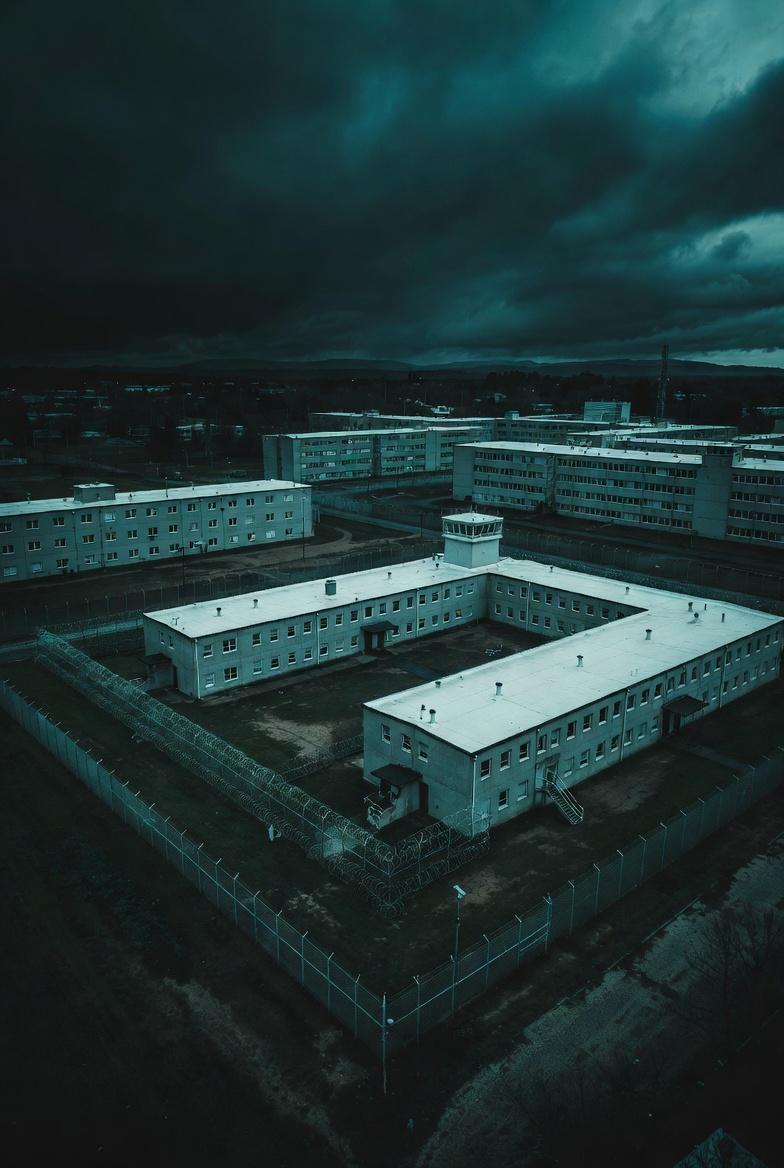
Residential Reentry Management (RRM) - St. Louis
Federal Prison | St. Louis County — Missouri
The Residential Reentry Management (RRM) - St. Louis is a federally operated administrative office located at 1222 Spruce Street, Suite 6.101, St. Louis, MO 63103. This office is managed by the Federal Bureau of Prisons (BOP) and serves as the coordinating hub for community-based reentry programming throughout the St. Louis metropolitan area. Families and friends needing to reach this office directly can call 314-539-2376 or send a fax to 314-539-2465 during normal business hours.
As a federal facility, RRM St. Louis operates under the jurisdiction of the Bureau of Prisons and oversees individuals who have been convicted of federal offenses and are transitioning back into their communities. This office coordinates with Residential Reentry Centers (RRCs) — commonly known as halfway houses — placing individuals into structured, community-based settings where they can rebuild their lives under supervised conditions before completing their federal sentences. RRM St. Louis is one of many federally managed reentry offices across the country and plays a vital role in reducing recidivism in the St. Louis region.
If you have a family member or loved one connected to this facility or its supervised programs, your first step should be contacting the office at the number listed above. Staff can provide guidance on placement status, program enrollment, and supervision requirements. You may also want to consult a federal criminal defense attorney for legal questions. Families looking for more general resources can search criminal records to verify incarceration status or locate updated case information through public records tools. RRM St. Louis is one of many facilities listed among Missouri correctional facilities in our directory.
What sets the Residential Reentry Management (RRM) - St. Louis apart from traditional correctional facilities is its focus on community-based supervision and transition planning rather than incarceration in a conventional sense. Rather than housing inmates in a secured prison setting, this office coordinates the placement and monitoring of federal offenders in Residential Reentry Centers (RRCs) and home confinement arrangements throughout the St. Louis area.
This administrative and supervisory model allows individuals nearing the end of their federal sentences to gradually reintegrate into society while still maintaining accountability to the Bureau of Prisons. The office serves as a centralized management point, ensuring that individuals in its care have access to programming, employment opportunities, and community support networks — all of which are essential to long-term success after release. This makes RRM St. Louis a fundamentally different kind of federal presence compared to a traditional penitentiary or detention center.
The population managed through RRM St. Louis consists primarily of federal offenders in the final phases of their sentences, including those placed in Residential Reentry Centers (halfway houses), on home confinement, or under other community supervision arrangements. These individuals have typically already served the majority of their federal prison sentences and are considered suitable candidates for structured community reintegration.
The managed population is diverse in terms of offense type, background, and programming needs. Federal offenders may have been convicted of a wide range of crimes, including drug trafficking, fraud, firearms offenses, and other federal violations. The BOP's placement decisions are guided by factors such as the individual's security classification, behavior record, program participation, and proximity to their release destination. As a result, RRM St. Louis serves individuals at varying stages of reentry readiness, all working toward successful and lawful community reintegration under federal supervision.
Individuals supervised through RRM St. Louis do not live within a traditional prison environment. Instead, they reside at contracted Residential Reentry Centers (RRCs) — privately operated halfway houses — or in approved home confinement arrangements within the community. Living conditions at these facilities vary depending on the specific contracted provider, but all RRCs operating under BOP contracts are required to meet federal standards for safety, programming, and resident welfare.
At a typical RRC, residents live in a structured environment with set curfews, mandatory program participation, employment requirements, and regular check-ins with case managers. Residents are generally expected to secure and maintain employment, contribute a portion of their earnings toward room and board, and comply with all supervision conditions. Substance abuse testing is conducted regularly, and residents must adhere to strict behavioral guidelines.
For those placed on home confinement, RRM St. Louis coordinates electronic monitoring and regular supervision check-ins to ensure compliance. While home confinement allows for a greater degree of independence, individuals remain under BOP jurisdiction and must follow all conditions of their placement. Violations can result in return to a more restrictive custody setting.
The Residential Reentry Management (RRM) - St. Louis office coordinates access to a range of federally supported programs designed to help individuals successfully reintegrate into society. These programs are delivered primarily through contracted RRC providers and community partners in the St. Louis area, and they reflect the BOP's commitment to evidence-based reentry practices.
Common programs available to individuals under RRM St. Louis supervision include:
- Employment Assistance: Job readiness training, resume workshops, interview preparation, and connections to local employers willing to hire returning citizens.
- Substance Abuse Treatment: Access to outpatient counseling, support groups such as Narcotics Anonymous and Alcoholics Anonymous, and referrals to community-based treatment providers.
- Life Skills Training: Courses covering financial literacy, budgeting, conflict resolution, and other practical skills needed for independent living.
- Educational Programs: GED preparation, vocational training, and connections to community college and adult education resources in the St. Louis area.
- Mental Health Services: Referrals to licensed mental health professionals and community mental health centers for individuals with ongoing treatment needs.
Participation in these programs is often a condition of placement, and progress is monitored by BOP-contracted case managers. Families can learn more about supporting their loved ones through our guide on how to send money to an inmate to help cover personal expenses during the reentry process.
The Federal Bureau of Prisons established its network of Residential Reentry Management (RRM) offices as part of a broader national strategy to improve outcomes for individuals leaving federal custody. The St. Louis RRM office was created to provide administrative oversight and case coordination for the Missouri and surrounding region, reflecting the BOP's growing emphasis on structured reintegration as a key component of reducing reoffending rates.
Historically, the federal government's approach to prisoner reentry evolved significantly during the late 20th and early 21st centuries. The passage of the Second Chance Act of 2008 marked a turning point, providing federal funding and policy direction for reentry programs across the country. RRM offices like the one in St. Louis were central to implementing this legislation at the local level, working with contracted halfway house providers and community organizations to ensure returning citizens had access to housing, employment assistance, and treatment services.
The St. Louis region has long been a focal point for federal reentry efforts due to its significant urban population and complex socioeconomic landscape. Over the years, the RRM St. Louis office has refined its approach to supervision and case management, adopting evidence-based practices recommended by the BOP's national reentry initiatives. Today, the office continues to fulfill its mission of bridging the gap between federal incarceration and successful community reintegration, serving as a critical link in the broader federal corrections system.
No widely documented famous former inmates are specifically associated with the Residential Reentry Management (RRM) - St. Louis office at this time. As an administrative reentry management office rather than a traditional detention facility, RRM St. Louis does not house inmates in the conventional sense, which makes public records on individual placements limited. If you are researching a specific individual's federal supervision history or reentry placement, you can search public criminal records through available public records tools to find relevant case information.
Because RRM St. Louis is an administrative office rather than a traditional prison or detention center, it does not operate a standard inmate visitation program. Individuals supervised through this office typically reside at contracted Residential Reentry Centers (RRCs) or in approved home confinement, where visitation and family contact policies are managed at the RRC level and governed by BOP guidelines.
Family members wishing to visit a loved one placed at an RRC in the St. Louis area should contact that specific facility directly to learn about their visitation schedule, approved visitor lists, and any documentation requirements. In general, approved visitors must be listed on the resident's visitation form, and visits may be scheduled around the resident's work and programming obligations.
For individuals on home confinement, contact with family members is generally permitted within the terms of their supervision agreement. It is always advisable to confirm current visitation rules directly with RRM St. Louis at 314-539-2376 or by visiting the official BOP facility information page for updated guidance.
Contacting a loved one supervised through RRM St. Louis depends on their specific placement. If they are residing at a Residential Reentry Center, you should contact that RRC directly for information on approved phone calls, mail, and visitation. Written correspondence sent through the RRC must follow that facility's mail guidelines, and phone calls may be subject to monitoring and scheduling restrictions.
For general inquiries about a federal offender's supervision status or current placement, you can contact the RRM St. Louis office at 314-539-2376. The BOP's online inmate locator is also a useful tool for confirming a person's current custody status and registered location. Families who are unsure where to begin can review our guide on how to find an inmate for step-by-step instructions. Additionally, those needing to verify background or case details may find it helpful to look up an inmate's arrest history using public records tools available online.
Sponsored and Powered by our Partner TruthFinder
Quick Facts
Should I Be Concerned? — Family Guide
The Spruce Street facility maintains a secure residential environment designed specifically for individuals in the reentry process. The location operates under strict Bureau of Prisons security protocols, including 24/7 staff presence, controlled access points, and regular monitoring. Visiting family members should expect standard security screening procedures and be prepared to follow all facility rules and guidelines.
The surrounding St. Louis neighborhood is an urban area with typical city characteristics. While the facility itself maintains a controlled secure environment, visitors should exercise standard urban safety precautions when traveling to and from the location, particularly during evening hours. The facility's professional staff is trained to handle any issues that may arise during visits, ensuring a safe and structured environment for both residents and guests.
Neighborhood & Getting There
The Spruce Street location is situated in central St. Louis, a vibrant urban area with convenient access to downtown services and amenities. The neighborhood includes various small businesses, restaurants, and community services within walking distance. Major highways provide easy access from surrounding areas, with most visitors traveling 15-30 minutes from downtown St. Louis or nearby suburbs depending on traffic conditions.
For extended visits, several hotels are available within 2-3 miles of the facility, including budget chains and mid-range accommodations with rates typically ranging from $60-$120 per night. The area is served by public transit options and ride-sharing services. Nearby dining and retail establishments provide convenient options for visitors planning an extended stay. I-44 and I-55 provide direct highway access for those traveling from outside the immediate St. Louis area.