Otis Bantum Correctional Center
City Jail | Bronx County — New York | OBCC | New York City Department of Corrections
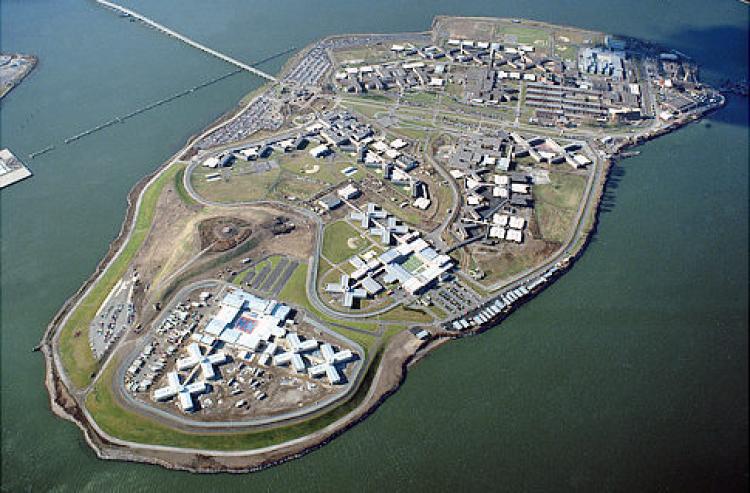
Otis Bantum Correctional Center (OBCC) is a New York City jail facility located on Rikers Island, the 413-acre island situated in the East River between the boroughs of the Bronx and Queens. As part of one of the largest penal colonies in the world, OBCC stands as one of the most prominent detention facilities within the Rikers Island complex. The center carries a rated capacity of approximately 1,697 inmates and is designed to house adult male detainees — the vast majority of whom are pretrial detainees awaiting arraignment, bail hearings, or trial rather than individuals serving long-term sentences. OBCC is operated by the New York City Department of Correction (NYC DOC) and is one of many facilities within New York correctional facilities overseen at the municipal level.
The facility opened in 1985 following a construction period of just 15 months — a remarkable turnaround made possible through the use of modern modular construction techniques that were considered innovative at the time. It was named in honor of Otis Bantum, the second warden of Rikers Island, who passed away while still serving in that role. That tribute reflects the deep institutional history embedded in the facility's identity and the lasting respect his leadership earned within the New York City correction system.
Housing at OBCC includes both dormitory-style units and individual cells, allowing classification staff to place inmates in the most appropriate setting based on their behavior, risk level, and the nature of their charges. The facility also contains a 400-bed Central Punitive Segregation Unit (CPSU), one of the largest dedicated disciplinary housing units in the entire NYC jail system. Families trying to locate a loved one at OBCC can search criminal records to help confirm current incarceration status and facility placement. For a broader overview of detention facilities across the state, you can also search our prison directory.
One of the most distinctive aspects of Otis Bantum Correctional Center is the presence of the 400-bed Central Punitive Segregation Unit (CPSU) — one of the largest dedicated disciplinary housing units within the entire New York City jail system. This specialized unit is reserved for individuals who have committed serious disciplinary violations while in custody and require a higher level of separation from the general population. Housing in the CPSU involves significantly restricted movement, limited programming access, and increased supervision compared to standard housing units at OBCC.
The existence of such a large segregation unit within a single facility reflects OBCC's role as a centralized resource for the broader Rikers Island complex. Rather than each facility maintaining its own punitive segregation capacity, the NYC DOC has historically concentrated a significant share of that capacity at OBCC. This arrangement means that individuals from other Rikers facilities may be transferred to OBCC specifically for placement in the CPSU following a serious disciplinary finding, regardless of which facility they were originally housed in.
The CPSU has also been a focal point for oversight and reform discussions. Advocates, legal organizations, and city investigators have repeatedly raised concerns about the use of punitive segregation in New York City jails, particularly regarding its effects on individuals with mental health needs. Reforms enacted in recent years have placed restrictions on who can be housed in punitive segregation and for how long, meaning the operational practices of the CPSU at OBCC have evolved considerably from earlier periods of the facility's history.
Otis Bantum Correctional Center houses adult male detainees, with a rated capacity of approximately 1,697 individuals. Like all facilities on Rikers Island, the population at OBCC is composed primarily of pretrial detainees — people who have been arrested and charged with a crime but have not yet been convicted or sentenced. Many are in the early stages of the legal process, awaiting arraignment, bail determination, or trial. This distinction is important for families to understand: the majority of people held at OBCC are legally presumed innocent and are there simply because they were unable to secure release on bail or were deemed ineligible for release.
A smaller segment of OBCC's population consists of individuals who have been convicted of misdemeanor offenses and are serving sentences of one year or less — the maximum sentence that can be served in a New York City jail as opposed to a state prison. The facility also periodically houses individuals who are serving sentences or awaiting transfer to state prison following a felony conviction.
The demographics of OBCC's population reflect broader patterns within the New York City criminal justice system, with a significant proportion of detainees coming from communities in the Bronx, Brooklyn, Queens, and Manhattan. Mental health needs are prevalent within the population, and the NYC DOC works in coordination with NYC Health + Hospitals' Correctional Health Services to provide mental health screening, treatment, and crisis intervention services throughout the facility. Classification staff continuously assess each detainee's risk level and program needs to determine appropriate housing placement within OBCC.
Living conditions at Otis Bantum Correctional Center reflect the operational realities of a large, aging urban jail that has been in continuous use for four decades. Inmates are housed in either dormitory-style open units or individual cell blocks, depending on their classification. Dormitory housing typically involves shared sleeping areas with bunk beds, communal bathrooms, and shared common spaces used for meals, recreation, and programming. Cell housing provides greater individual separation and is used for higher-risk individuals or those with specific behavioral or security needs. Placement decisions are made by classification staff based on each detainee's risk level, behavior while in custody, mental health status, and the nature of their charges.
As a New York City Department of Correction facility, OBCC is required to provide a baseline of services to all detainees, including access to meals, medical care, mental health services, legal resources, and recreation. NYC Health + Hospitals' Correctional Health Services operates within the facility to deliver healthcare, including primary care, mental health treatment, substance use services, and medication management. Detainees are entitled to regular outdoor recreation time, access to showers, and personal hygiene supplies.
That said, Rikers Island facilities — including OBCC — have been the subject of ongoing scrutiny and legal oversight regarding living conditions. Reports from oversight bodies, legal advocates, and federal monitors have documented concerns including violence among incarcerated individuals, use-of-force incidents involving staff, inadequate mental health care, and deteriorating physical infrastructure. The NYC DOC and city government have acknowledged many of these challenges and have implemented reform initiatives in response, though advocates continue to press for more substantial improvements. Families with concerns about conditions affecting their loved one are encouraged to reach out to the NYC Board of Correction or legal aid organizations that specialize in jail conditions.
Otis Bantum Correctional Center offers a range of programs designed to support detainees during their time in custody and to reduce the likelihood of reoffending after release. Because the majority of OBCC's population consists of pretrial detainees — some of whom may be in custody for only a short period — programming tends to focus on stabilization, immediate needs, education, and reentry preparation rather than long-term vocational training. Programming is delivered through a combination of NYC DOC staff, NYC Health + Hospitals, the NYC Department of Education, and contracted community-based organizations.
Programs and services available at OBCC and across the Rikers Island complex typically include:
- Educational programs — including GED preparation, high school equivalency classes, literacy instruction, and adult basic education for detainees at all learning levels. The NYC DOC operates one of the largest jail-based school systems in the country in partnership with the NYC Department of Education.
- Vocational and skills training — job readiness workshops, résumé writing assistance, and occupational skills training programs designed to improve employment outcomes upon release.
- Substance use treatment — counseling, group therapy, and medication-assisted treatment (MAT) programs for individuals dealing with addiction and substance use disorders, provided through Correctional Health Services.
- Mental health services — individual therapy, psychiatric evaluation, crisis intervention, and ongoing medication management for individuals with diagnosed mental health conditions.
- Reentry services — case management and discharge planning to help detainees connect with housing, benefits, healthcare, and community support programs before and after release.
- Religious and spiritual services — access to chaplains and faith-based programming representing a variety of religious traditions.
- Legal assistance — access to law library resources and visits from legal aid attorneys and public defenders to assist detainees in understanding and navigating their cases.
Participation in programs can vary based on housing unit placement, security status, and availability. Detainees housed in the Central Punitive Segregation Unit have more limited access to programming, though the NYC DOC has worked to expand in-cell programming options for individuals in restrictive housing. Families can learn more about family services available to support loved ones during incarceration.
Otis Bantum Correctional Center has its roots in New York City's urgent need to expand jail capacity during the early 1980s, a period marked by surging incarceration rates, overcrowded existing facilities, and mounting pressure on city officials to address the crisis. The city's jail population had grown dramatically throughout the late 1970s and into the 1980s, driven by rising crime rates, stricter enforcement policies, and mandatory minimum sentencing laws that kept more individuals detained pretrial. Existing Rikers Island facilities were operating well beyond their intended capacity, prompting city officials to authorize the construction of OBCC as part of a broader capital expansion plan for the complex.
Construction proceeded at an accelerated pace, with the facility completed in just 15 months — an achievement that drew attention for both its speed and the modern modular building methods employed. The facility officially opened in 1985 and was named after Otis Bantum, who had served as the second warden of Rikers Island. Bantum's death while still serving in his leadership role left a lasting mark on the institution, and naming the facility in his honor was a meaningful acknowledgment of his contributions to the city's correction system.
Over the decades since its opening, OBCC has operated through significant periods of change within the NYC DOC. The facility has experienced the full range of challenges common to large urban jails — fluctuating population levels, evolving classification practices, staff labor disputes, and ongoing scrutiny from oversight bodies and advocates concerned about conditions at Rikers Island broadly. In recent years, New York City has undertaken a long-term plan to close the Rikers Island complex entirely and replace it with a network of smaller, borough-based jails. That plan, known as the borough-based jail program, is expected to reshape the future of facilities like OBCC over the coming years, making its history all the more significant as an era that defined urban detention in New York City.
No widely documented famous former inmates are specifically and publicly attributed to Otis Bantum Correctional Center at this time. While Rikers Island as a whole has housed a number of high-profile individuals over the decades — including celebrities, athletes, and public figures who were detained pretrial or served short sentences — public records and media reporting do not clearly attribute specific notable detentions to OBCC in particular, as opposed to other facilities within the Rikers complex. If you are researching the background or incarceration history of a specific individual who may have been held at this facility, you can search public criminal records to access available arrest, charge, and detention information.
Visitation at Otis Bantum Correctional Center is managed by the New York City Department of Correction and is an important way for families to maintain meaningful connection with their loved ones during incarceration. The NYC DOC has established specific rules, scheduling requirements, and conduct standards that all visitors must follow to ensure the safety and orderly operation of the facility. Failing to comply with these requirements can result in a visit being denied or terminated, so it is important to be well prepared before arriving at Rikers Island.
Key points for visitors to know include:
- Scheduling visits: Visits at NYC DOC facilities, including OBCC, must typically be scheduled in advance. Families are encouraged to check the official NYC DOC visitation page for current scheduling procedures, as visit windows and policies can change. You can find updated visitation information on the NYC DOC official visitation page.
- Valid identification: All visitors 18 years of age and older must present a valid, government-issued photo ID (such as a driver's license, state ID, or passport). Visitors without acceptable ID will not be permitted entry.
- Dress code: The NYC DOC enforces a dress code for visitors. Clothing that resembles correctional officer uniforms, reveals excessive skin, or is deemed inappropriate may result in denial of entry. It is advisable to review the dress code policy before your visit.
- Children visiting: Minors must be accompanied by an adult and may require prior approval or documentation depending on their relationship to the detainee.
- Prohibited items: Visitors may not bring food, beverages, cash, or personal items into the visiting area. All visitors and their belongings are subject to search.
- Transportation to Rikers Island: Rikers Island is accessible by the Q100 bus from the 74th Street–Jackson Heights subway station in Queens, or by the Bx35 bus from the Bronx. There is no public ferry service. Families should plan for travel time and potential wait times at the facility entrance.
In addition to in-person visits, families can send money to an inmate's commissary account to help cover the cost of personal items, phone calls, and other necessities. Maintaining consistent contact — whether through visits, calls, or letters — has been shown to support better outcomes for incarcerated individuals during and after their detention.
Families have several options for staying in contact with someone housed at Otis Bantum Correctional Center. Understanding each method and its requirements ahead of time can make communication easier and help avoid unnecessary delays.
Phone calls are the most common method of communication. Inmates at NYC DOC facilities place outgoing calls through the facility's approved telephone service provider. Families must set up an account with the provider and add funds to receive calls. Rates and account setup details are available through the NYC DOC or directly from the phone service provider. Keep in mind that all calls may be recorded and monitored except those made to an attorney.
Mail is also accepted at OBCC. All incoming and outgoing mail is subject to inspection by facility staff. When sending mail, use the detainee's full legal name and booking number on the envelope to ensure proper delivery. Mail that does not comply with facility rules — including items that contain contraband, inappropriate content, or are packaged incorrectly — may be rejected without delivery. Photographs and other allowable enclosures are typically permitted within specified limits.
Email and electronic messaging may be available through the NYC DOC's approved digital communication platforms. Families should check with the NYC DOC for current services, as electronic messaging options have expanded in recent years as alternatives to traditional mail.
To locate a specific individual currently held in NYC DOC custody, you can use the official NYC DOC Inmate Lookup tool, which provides real-time information on an individual's current facility, booking number, and next court date. For additional guidance on locating someone in the system, see our resource on how to find an inmate. If you need broader background information on someone's arrest or charge history, you can also look up an inmate's arrest history using publicly available records.
Sponsored and Powered by our Partner TruthFinder
Quick Facts
Should I Be Concerned? — Family Guide
Otis Bantum Correctional Center maintains comprehensive security measures to protect all visitors during interactions with incarcerated individuals. The facility conducts thorough visitor screening, implements security checks at entry points, and enforces strict visitation guidelines to maintain a safe environment. All visitors must comply with facility rules, including restrictions on contraband items, appropriate dress codes, and respectful conduct within designated visiting areas.
Families should review the facility's current visitation policies before arrival and arrive early to allow adequate time for security screening. Contact the facility in advance to confirm any changes to visitation schedules, holiday closures, or special security restrictions. Understanding and following all facility guidelines ensures a safe, positive visiting experience for everyone.
Neighborhood & Getting There
Otis Bantum Correctional Center is situated in Batavia, a small city in Genesee County in Western New York, approximately 30 miles east of Buffalo and 370 miles northwest of New York City. The town offers convenient amenities including gas stations, restaurants, grocery stores, and retail shops, making it accessible for family visits. Several hotels are located within a short drive, including the Holiday Inn Express Batavia, Red Roof Inn, and various budget-friendly lodging options that cater to visitors.
The drive from Buffalo takes approximately 45 minutes via I-190 and I-90, while travel from Rochester is roughly one hour. The surrounding area provides basic services and dining options, though visitors are advised to plan ahead during peak visiting times. Local attractions and services are readily available to accommodate families traveling from across the region.