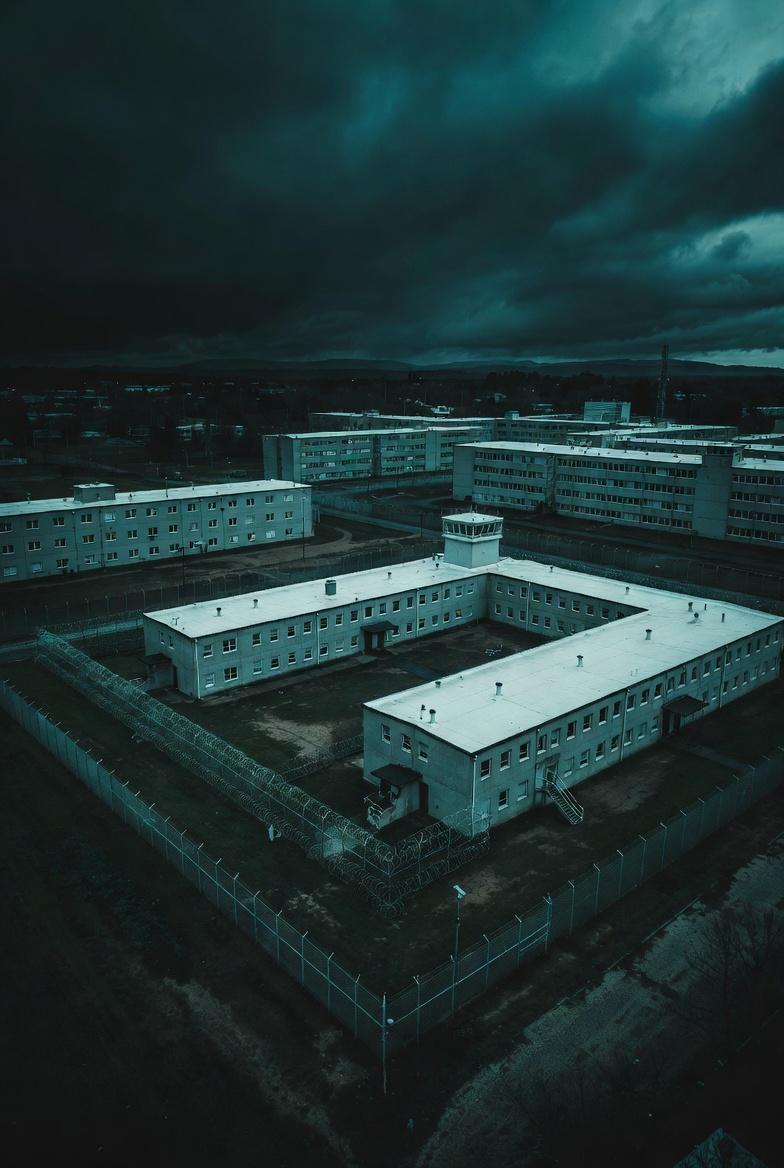
The Northern Nevada Restitution Center (NNRC) is a Nevada Department of Corrections (NDOC) state facility located at 2595 East Second Street, Reno, NV 89502. As part of the broader Nevada correctional system, the NNRC operates as a restitution center — a specialized type of facility that is fundamentally different from a traditional prison or county jail. Restitution centers are designed to bridge the critical gap between incarceration and full reintegration into society, housing offenders who are nearing the end of their sentences and have been assessed as appropriate candidates for structured community supervision. It is one of many facilities within the Nevada correctional facilities network administered by the NDOC.
Unlike maximum- or medium-security prisons, the NNRC places its emphasis on accountability, victim restitution, and long-term rehabilitation. Residents at the center are typically required to maintain active employment in the community, make regular payments toward victim restitution obligations, contribute to their own housing costs, and comply with a strict set of supervision requirements set by NDOC staff. This work-release model is intended to help individuals rebuild financial stability, develop consistent work habits, and re-establish community ties — all while remaining under the oversight of the Nevada Department of Corrections.
For families trying to understand why a loved one is housed at the NNRC rather than a conventional prison, the distinction is an important one. Placement at a restitution center is generally a positive development, indicating that corrections officials believe the individual is ready for a supervised transition back into the community. If you are trying to locate someone and are unsure of their current facility, you can search criminal records to find current incarceration status and facility assignment. The NNRC's Reno location in Washoe County also makes it accessible for many northern Nevada families who want to stay closely connected with their loved ones throughout the reentry process.
What sets the Northern Nevada Restitution Center apart from most other state correctional facilities is its community-integrated, work-release model. Rather than confining residents around the clock within institutional walls, the NNRC allows — and in fact requires — residents to leave the facility daily for approved employment. This means that individuals housed at the center are actively working jobs in the Reno community, interacting with employers and coworkers, and taking on real-world responsibilities every single day of their residency.
This approach is significant for several reasons. First, it ensures that residents enter full release with an established employment history, work references, and — in many cases — savings that provide a financial cushion against the instability that often contributes to reoffending. Second, it reinforces the restitution component of the center's mission: by earning income, residents can make regular payments toward court-ordered victim restitution, addressing one of the most direct and meaningful forms of accountability in the justice system. Third, daily community exposure under structured supervision allows residents to practice and refine the decision-making and social skills they will need upon full release — with the safety net of facility oversight still in place.
The NNRC's model also distinguishes it in terms of its relationship with the surrounding Reno community. Unlike a traditional prison that operates largely in isolation from its surroundings, the restitution center functions as a genuine bridge between the correctional system and civilian life — making it one of the most community-facing facilities in the entire NDOC system.
The population at the Northern Nevada Restitution Center consists primarily of adult male offenders who are in the final phase of their Nevada state sentence and have been assessed as suitable candidates for community reintegration programming. These individuals have typically already served the bulk of their sentence at a higher-security NDOC facility and have demonstrated consistent behavioral compliance, program participation, and a readiness to engage responsibly with the outside community.
Residents placed at the NNRC have generally been evaluated by NDOC classification staff using a combination of factors including offense history, institutional behavior, risk assessment scores, and the existence of community ties such as family support or prior employment in the Reno area. Because the facility's work-release model requires residents to function independently in the community during daytime hours, individuals with a history of violent behavior, escape attempts, or serious disciplinary infractions are typically not considered eligible for placement.
The center's population tends to be relatively small compared to a conventional state prison, which contributes to a more individualized level of supervision and case management. This smaller scale allows staff to work closely with each resident on employment goals, restitution payment plans, and transition planning. Families should be aware that placement at the NNRC is a privilege that can be revoked if a resident fails to comply with facility rules or community supervision requirements, so maintaining open communication and a supportive home environment can play an important role in a resident's success.
Living conditions at the Northern Nevada Restitution Center reflect its status as a transitional, community-based facility rather than a traditional correctional institution. Residents are housed in a supervised dormitory-style setting with shared common areas, and they are expected to maintain personal cleanliness, follow a structured daily schedule, and consistently respect facility rules and the rights of fellow residents. The atmosphere, while still correctional in nature, is generally less restrictive than that of a medium- or maximum-security prison.
Because residents are employed in the community during the day, the rhythm of daily life at the NNRC differs substantially from that of a conventional prison. Mornings typically involve residents preparing for and departing to their jobs, while evenings and weekends are spent at the facility — attending programming, completing chores, managing personal obligations such as restitution payments, and engaging with case managers or counselors. Curfews and check-in requirements are strictly enforced, and residents are subject to regular monitoring to ensure compliance with all supervision conditions.
Meals, basic hygiene facilities, and supervised common areas are provided at the facility, though residents are also expected to contribute financially to the cost of their housing as part of the restitution model. This financial responsibility is intentional — it mirrors the obligations residents will face upon full release and helps instill the budgeting habits that are critical to long-term stability. Overall, the living environment at the NNRC is designed to be structured and accountable without being punitive, with the ultimate goal of preparing residents for a successful return to independent living.
Programming at the Northern Nevada Restitution Center is central to its mission and is structured around the core goal of preparing residents for a stable, law-abiding life after release. The most fundamental program element is community employment — residents are required to secure and maintain a job in the Reno area, which provides not only income but also the daily structure, accountability, and workplace experience that are essential for successful reentry. Case managers and facility staff work proactively with residents to help identify employment opportunities and address practical barriers such as transportation, work documentation, gaps in employment history, or the challenges of disclosing a criminal record to prospective employers.
Beyond employment, the NNRC typically offers or coordinates access to a range of supportive programs and services, including:
- Restitution and financial management counseling — helping residents develop a realistic plan for meeting their court-ordered payment obligations while managing basic living expenses
- Substance abuse education and treatment referrals — connecting residents with community-based treatment resources when substance use has been a contributing factor in their offense history
- Life skills and reentry workshops — covering topics such as budgeting, housing applications, job interview preparation, and navigating community resources
- Cognitive behavioral programming — structured sessions designed to help residents identify and change thinking patterns that contribute to criminal behavior
- Case management and transition planning — individualized support from assigned case managers who help residents set goals, track progress, and plan for the logistics of full release
Participation in programming is not optional — it is a core condition of residency at the NNRC. Families can support their loved one's progress by staying engaged, encouraging consistent participation, and helping to address any outside barriers — such as housing or family stability — that may affect a resident's focus and success in programming. For additional resources available to families, visit our family services page.
The Northern Nevada Restitution Center has its roots in Nevada's broader effort to reform its approach to criminal justice and reduce recidivism across the state. Beginning in the latter decades of the twentieth century, Nevada — like many other states — began recognizing that simply incarcerating offenders without preparing them for release contributed to high rates of reoffending and placed an unsustainable financial and social burden on state resources. Restitution centers emerged as a practical, evidence-based solution: facilities that could house lower-risk offenders in a structured, accountable environment while simultaneously allowing them to work, pay back victims, and develop the life skills necessary for successful long-term reintegration.
The NNRC was established in Reno to serve the northern region of Nevada, providing an alternative to traditional institutional confinement for eligible offenders in the final stages of their sentences. Reno's location as the largest urban center in northern Nevada made it a logical site for such a facility, offering access to a diverse labor market, social services, and community support networks that are essential for residents working to rebuild their lives.
Over the decades, the NNRC has evolved alongside changes in Nevada criminal justice policy, including sentencing reforms, expanded reentry programming, and a growing body of research supporting community-based supervision as an effective tool for reducing recidivism. The facility has become an integral component of NDOC's broader continuum of care, serving as a final structured step before full release for hundreds of Nevadans each year. Its continued operation reflects a statewide commitment to corrections approaches that balance public safety with the practical realities of successful community reintegration.
No widely documented famous former inmates are associated with the Northern Nevada Restitution Center. Given the facility's function as a transitional restitution center serving lower-risk offenders in the final phase of their sentences, it does not typically house high-profile individuals. If you are researching a specific person's incarceration history or need to verify whether someone has been housed at this or another Nevada facility, you can search public criminal records to access publicly available background and incarceration information.
Visitation at the Northern Nevada Restitution Center operates differently from visitation at a traditional state prison, primarily because of the facility's transitional work-release structure. Since residents may be away from the facility during daytime hours for approved employment, scheduled visitation typically takes place during designated evening or weekend hours. Families should contact the NNRC directly to confirm current visitation schedules, eligibility requirements, and any documentation or identification that may be required before a visit is approved.
Before visiting, all prospective visitors must typically be placed on an approved visitor list. This process usually involves submitting a visitor application, which may require a background check and approval by facility staff. It is important to complete this process well in advance of a planned visit, as approval is not always immediate. Visitors who have not been pre-approved may be denied entry, so planning ahead is strongly recommended.
When attending a visit, guests should expect to comply with the facility's dress code and behavioral standards. Items brought into the facility are subject to restrictions, and visitors may be subject to search upon entry. Children are generally permitted to visit when accompanied by an approved adult, but families should confirm the specific rules regarding minors before bringing children to the facility. For the most accurate and up-to-date visitation policies, consult the official NDOC facility page for the Northern Nevada Restitution Center. Families may also want to explore options to send money to an inmate's commissary account as another way to provide support between visits.
Staying in contact with someone housed at the Northern Nevada Restitution Center is an important part of supporting their successful transition, and families typically have several options available. Phone calls are among the most common and convenient methods of contact. Calls are facilitated through the NDOC's approved telephone service provider, and residents must set up their account through the facility. Family members may need to create and fund a prepaid account with the service provider in order to receive calls — it is worth checking current rates and setting up the account early to avoid delays in communication.
Written mail is another reliable method of contact. Letters and cards should be addressed to the resident using their full legal name and NDOC identification number, followed by the facility address at 2595 East Second Street, Reno, NV 89502. Incoming mail is subject to inspection by facility staff, and items such as hardcover books, magazines, or packages must typically be sent directly from an approved publisher or retailer rather than from a personal address. Avoid including items such as stickers, glitter, or anything that could be considered a security concern, as these may cause mail to be rejected.
Electronic messaging may also be available through NDOC's approved digital communication platforms, which can offer a faster alternative to traditional mail. Families should verify which platforms are currently supported at the NNRC by contacting the facility directly. If you are not yet certain where your loved one is housed within the Nevada system, our guide on how to find an inmate can walk you through the steps of locating someone in the NDOC system. Additionally, families who need to verify someone's current facility placement or confirm public record details can look up an inmate's arrest history and background information through available public records resources.
Sponsored and Powered by our Partner TruthFinder
Quick Facts
Should I Be Concerned? — Family Guide
The Northern Nevada Restitution Center is a minimum-security facility housing lower-risk offenders selected for work-release and restitution programs. The facility maintains a safe environment for family visits through standard security protocols including visitor verification, ID checks, and controlled access to designated visitation areas. Families can expect professional, courteous security screening processes designed to balance safety with accessibility.
Visiting NNRC is generally safe for families and loved ones. The minimum-security classification, combined with the facility's focus on rehabilitative programming and successful reentry, means visitors will encounter a calmer environment compared to higher-security institutions. All standard precautions apply, and families should follow facility guidelines during their visits. For families with concerns about an inmate's background or history, resources like criminal record searches at https://tracking.truthfinder.com/?a=650&oc=27&c=282&s1=jd&s2=nv-doc-northern-nevada-restitution-center-nnrc can provide additional peace of mind.
Neighborhood & Getting There
The Northern Nevada Restitution Center is conveniently located in downtown Reno, Nevada, providing easy access from Interstate 80 and other major highways. The facility's central location offers families numerous nearby accommodations and amenities. Budget-friendly options include Motel 6 Reno Downtown (0.5 miles away), while mid-range hotels like the Grand Sierra Resort (1.2 miles) and properties along the Virginia Street corridor are within minutes of the facility. These convenient lodging options make overnight visits accessible for families traveling from across Northern Nevada and neighboring states.
The downtown Reno location provides visitors with dining, shopping, and service options in the surrounding area. Gas stations, restaurants, and retail establishments are nearby, making it convenient for families to plan visits with refreshment stops. The proximity to major highways ensures that traveling to NNRC from Carson City, the Lake Tahoe region, or other parts of Nevada is straightforward and relatively quick, typically requiring 30 minutes to 2 hours depending on your starting location.