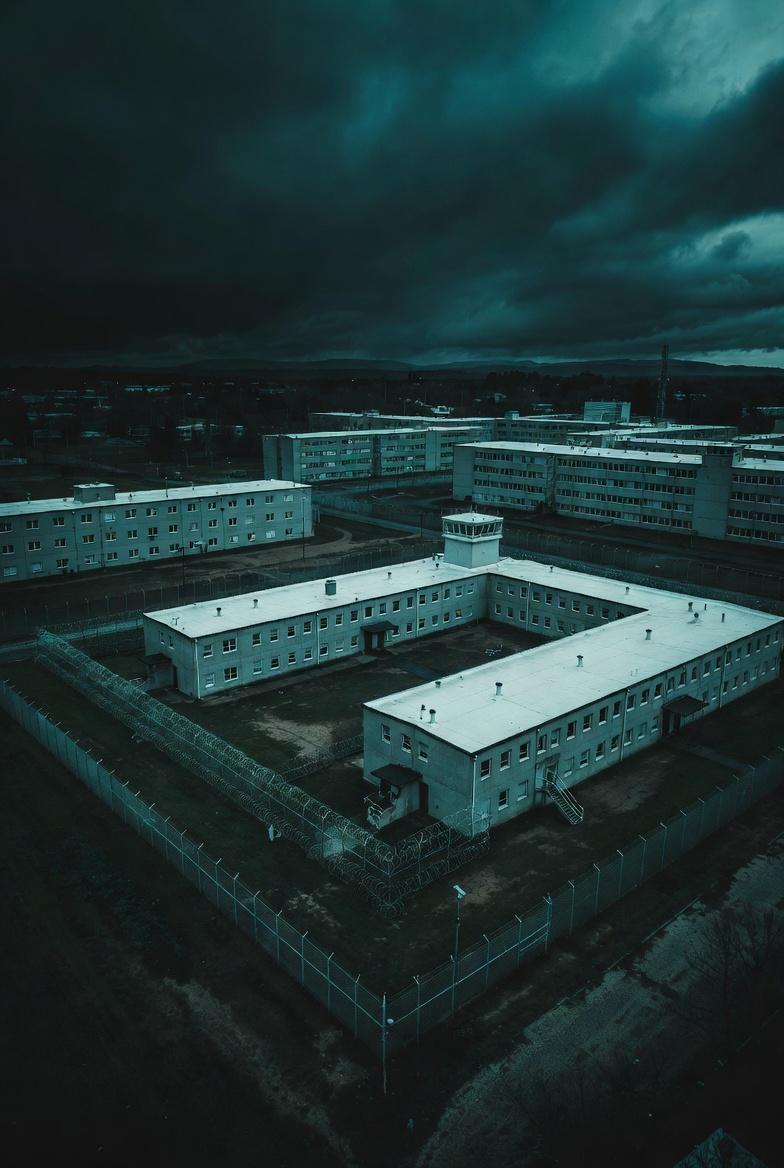
NCDPS - Swannanoa Correctional Center for Women
State Prison | Buncombe County — North Carolina
NCDPS - Swannanoa Correctional Center for Women is a state-operated correctional facility for adult female offenders located at 55 Lake Eden Road, Black Mountain, NC 28711. Situated in the scenic foothills of the Blue Ridge Mountains in Buncombe County, the facility serves the entire state of North Carolina and is operated by the North Carolina Department of Public Safety (NCDPS). It stands as one of the dedicated women's correctional institutions within the broader North Carolina correctional facilities network, designed specifically to address the unique needs of incarcerated women.
As a state prison rather than a county jail or municipal detention center, Swannanoa Correctional Center for Women primarily houses post-conviction inmates serving sentences handed down by North Carolina courts. Unlike local jails that typically hold pre-trial detainees or individuals serving shorter sentences, state correctional facilities like this one house women who have been convicted of more serious offenses and are serving longer terms of incarceration. This distinction is important for families trying to navigate the system — if your loved one was recently arrested or sentenced, they may be transferred here from a county jail once their housing assignment is processed by NCDPS.
The facility's western North Carolina location, while somewhat remote, places it within a region rich in community resources and nonprofit organizations that partner with NCDPS to deliver programming and reentry support. The surrounding mountain environment also provides a setting that many consider conducive to reflection and rehabilitation. Families visiting from across the state should plan accordingly, as Black Mountain is approximately 15 miles east of Asheville along Interstate 40.
If you are unsure about the current status or location of a family member within the North Carolina corrections system, you can search criminal records to access publicly available arrest, conviction, and incarceration data that may help confirm where your loved one is currently housed.
One of the most notable distinguishing features of Swannanoa Correctional Center for Women is its identity as a dedicated women-only correctional facility — a distinction that shapes nearly every aspect of how it operates. Within the North Carolina state prison system, relatively few facilities are designated exclusively for women, making Swannanoa one of a small number of institutions designed from the ground up to address the specific needs of the female incarcerated population. This specialization allows staff to focus on gender-responsive programming, trauma-informed care, and support services that are particularly relevant to women, including maternal health, domestic violence recovery, and parenting support.
The facility's location in Black Mountain, nestled in the western North Carolina mountains, is itself a distinguishing characteristic. Unlike many state prisons situated in flat, rural areas far removed from community resources, Swannanoa benefits from its proximity to Asheville — one of the more progressive mid-sized cities in the Southeast, with a robust network of nonprofit organizations, healthcare providers, and reentry support services. This geographic advantage has helped the facility cultivate partnerships that enrich its programming offerings beyond what NCDPS provides directly.
Swannanoa Correctional Center for Women also stands out for its emphasis on vocational and workforce development programming tailored to realistic post-release employment opportunities for women. Rather than focusing solely on traditional institutional work assignments, the facility has worked to incorporate skills training that aligns with in-demand fields in the regional economy, giving inmates a stronger foundation for successful reintegration. Taken together, these features make Swannanoa a facility that families and inmates should understand as more than simply a place of confinement — it is an environment with genuine rehabilitative intent and a range of resources designed to support long-term success.
Swannanoa Correctional Center for Women houses adult female inmates who have been convicted of offenses under North Carolina state law and sentenced to serve time within the state prison system. The population includes women serving sentences for a wide range of offenses — from non-violent drug and property crimes to serious felonies including assault, robbery, and homicide. Because it is a state-level facility rather than a local jail, virtually all of the women housed here have completed the pretrial and sentencing phases of their cases and are actively serving their imposed sentences.
The facility's population reflects broader trends in women's incarceration nationally and in North Carolina specifically. A significant portion of incarcerated women have histories involving substance use disorders, mental health challenges, economic instability, and prior experiences of domestic violence or trauma. Swannanoa's programming and housing approach is designed with this reality in mind, aiming to address underlying issues rather than simply managing behavior during the period of incarceration.
The facility houses women at various custody classification levels as determined by NCDPS. Custody classification takes into account factors such as the nature of the offense, length of sentence, disciplinary history, and behavioral assessments. Women are assigned to housing units and program tracks that correspond to their classification level, ensuring that security protocols are appropriately matched to individual risk profiles while still allowing access to rehabilitative resources.
Families should be aware that inmate population and housing assignments can change, and an individual may be transferred to or from Swannanoa over the course of her sentence depending on classification changes, program needs, or population management decisions made by NCDPS. If you need to confirm where your loved one is currently housed, consulting the how to find an inmate guide on this site can walk you through the steps for locating someone within the North Carolina prison system.
Living conditions at Swannanoa Correctional Center for Women are governed by the policies and operational standards set by the North Carolina Department of Public Safety. Inmates are housed in assigned units based on their custody classification level and are expected to follow the facility's daily schedule, which includes structured times for meals, programming, work assignments, recreation, and personal time. Maintaining a consistent daily routine is considered an essential component of both institutional security and personal stability for incarcerated individuals.
The facility provides all basic necessities, including three meals per day, clothing, bedding, and access to hygiene products. Meals are prepared on-site and are required to meet nutritional standards established by NCDPS. Inmates with documented medical dietary needs — such as food allergies, diabetes, or religious dietary requirements — may be eligible for modified meal plans through the facility's health services department.
Access to medical and mental health care is a particularly important aspect of living conditions at a women's facility. Swannanoa provides on-site medical staff to address routine health needs, chronic conditions, reproductive health concerns, and mental health treatment. Inmates requiring more specialized care may be referred to outside medical providers or transferred temporarily to a facility with expanded medical capacity. Dental and vision care are also available through scheduled appointments.
Inmates at Swannanoa have access to a commissary, where they can purchase supplemental food items, personal hygiene products, writing materials, and other approved goods using funds deposited into their inmate trust account by family members or earned through institutional work assignments. Recreation time is available daily and typically includes access to an outdoor recreation yard as well as indoor common areas. The facility also provides access to a law library, religious services, and a general library with reading materials, all of which contribute to the overall quality of daily life within the institution.
Swannanoa Correctional Center for Women offers a range of programs designed to support rehabilitation, personal development, and successful reentry into the community. These programs reflect the North Carolina Department of Public Safety's commitment to reducing recidivism and helping incarcerated women build the practical skills, emotional resilience, and social stability they need for a productive life after release.
- Educational Programs: Inmates can work toward their High School Equivalency (HSE/GED) diploma through on-site educational instruction provided by qualified teachers. Literacy and foundational skills programs are available for those who need additional academic support before pursuing their GED. Some participants may also have opportunities to access post-secondary educational resources through partnerships with community colleges or distance learning providers.
- Vocational Training: Vocational programs offer hands-on skills training in fields relevant to the regional job market. These programs are designed to result in certifiable competencies that inmates can present to employers upon release, improving their chances of securing stable employment.
- Substance Abuse Treatment: Given the high prevalence of substance use disorders among the incarcerated female population, Swannanoa provides structured substance abuse treatment programs. These may include both individual counseling and group-based therapeutic programming, with an emphasis on relapse prevention strategies and building healthy coping skills.
- Mental Health Services: Licensed mental health professionals are available to provide individual and group counseling, assess treatment needs, and manage ongoing psychiatric care. Trauma-informed approaches are integrated throughout mental health programming, recognizing the high rates of trauma history among women in the system.
- Cognitive-Behavioral Programs: Evidence-based cognitive-behavioral programming helps participants identify and change thinking patterns and behaviors that have contributed to criminal activity. Programs such as Thinking for a Change and similar curricula are commonly used within NCDPS facilities.
- Parenting and Family Programs: Many incarcerated women are parents, and Swannanoa offers programs designed to support healthy parent-child relationships during incarceration. Parenting skills classes and facilitated visitation opportunities help women maintain meaningful bonds with their children while preparing for reunification after release.
- Reentry Planning: Case managers work with inmates in the period leading up to release to develop individualized reentry plans that address housing, employment, transportation, healthcare, and community support. Connections to community-based organizations and transitional programs help ease the transition from incarceration to independent living.
- Religious and Spiritual Programs: Chaplaincy services are available at the facility, with programming from various faith traditions offered on a regular basis. Participation in religious programming is voluntary and is considered a meaningful source of support and community for many inmates.
Families are encouraged to ask their loved one's case manager about program eligibility and availability, as participation in certain programs may depend on custody level, sentence length, and assessed treatment needs.
Swannanoa Correctional Center for Women has operated as part of North Carolina's long-standing effort to provide dedicated, gender-responsive correctional housing for female offenders within the state system. Located in the Black Mountain area of Buncombe County, the facility takes its name from the Swannanoa River valley — a historically significant region in western North Carolina that has been home to various educational, spiritual, and community institutions for well over a century.
North Carolina's approach to women's incarceration has evolved considerably over the decades. For much of the twentieth century, female offenders in the state were housed in facilities that were either annexed to larger male institutions or consolidated into a single statewide unit. Over time, correctional administrators and advocates recognized that this approach failed to adequately address the distinct social, psychological, and health-related needs of incarcerated women. The establishment and continued operation of dedicated facilities like Swannanoa Correctional Center for Women reflects a broader shift in philosophy — one that acknowledges women often enter the system with histories of trauma, substance dependency, family caregiving responsibilities, and co-occurring mental health needs that require targeted intervention.
The Swannanoa facility has over time expanded and adapted its programming and housing configurations in response to changes in the state's female inmate population. North Carolina, like most states, saw significant growth in its female incarcerated population during the 1990s and 2000s, driven in large part by sentencing changes related to drug offenses. The facility's evolution mirrors that broader trend, with an ongoing emphasis on adding rehabilitative programming alongside secure housing capacity.
Today, Swannanoa Correctional Center for Women continues to operate under the oversight of the NCDPS Division of Prisons, adhering to state standards for safety, programming, and inmate welfare. Its history reflects both the challenges and the progress that have defined women's corrections in North Carolina over the past several decades.
No widely documented famous former inmates are known to have been housed at NCDPS - Swannanoa Correctional Center for Women. The facility primarily serves the general female sentenced population within the North Carolina state prison system rather than housing high-profile individuals. If you are researching the background or incarceration history of a specific person, you can search public criminal records to access publicly available arrest, conviction, and incarceration data through online public records resources.
Visitation is one of the most meaningful ways families can maintain their connection with an incarcerated loved one at Swannanoa Correctional Center for Women. Research consistently shows that maintaining strong family bonds during incarceration improves outcomes for inmates — reducing disciplinary incidents, improving program engagement, and significantly lowering the likelihood of reoffending after release. The facility follows NCDPS visitation policies, which govern scheduling, visitor eligibility, conduct during visits, and dress code requirements.
To visit an inmate, all prospective visitors must first be approved and placed on the inmate's approved visitor list. The inmate typically initiates this process by submitting the names of people they wish to have visit, and those individuals may be subject to a background check and approval process administered by the facility. First-time visitors should confirm with their loved one that they have been added to the approved list before making travel arrangements, as visitors who are not on the approved list will not be permitted entry.
Visitation schedules at Swannanoa Correctional Center for Women are set by the facility and may vary depending on the housing unit, custody level, and time of year. Visits are generally held on weekends and some holidays, though schedules can change. Families are strongly advised to contact the facility directly at (828) 669-9115 or check the official Swannanoa Correctional Center page for current visiting hours before planning a trip.
Visitors must bring a valid, government-issued photo ID on the day of their visit. Dress code rules prohibit clothing that resembles inmate uniforms or staff attire, as well as revealing clothing or items that could compromise security. Children visiting must be accompanied by an approved adult guardian. All visitors are subject to search upon entry, which may include metal detectors and pat-down procedures. Items brought into the facility are strictly limited — most personal belongings must be left in your vehicle.
While visits are limited in frequency and duration, they are invaluable. Families who cannot visit in person are encouraged to maintain contact through phone calls and written correspondence, and to consider send money to their commissary account to help their loved one access additional comfort items and communication credits between visits.
Families and friends can stay in contact with inmates at Swannanoa Correctional Center for Women through several channels, each with its own process and considerations. Staying connected is important both for the well-being of the incarcerated individual and for families managing the practical and emotional challenges that come with having a loved one in prison.
Phone Calls: Phone calls are typically available through a contracted telephone service provider authorized by NCDPS. Inmates generally initiate calls from the facility, and calls may be made on a collect or prepaid basis. Family members can set up a prepaid account with the phone service provider to make receiving calls easier and more affordable. Call rates and connection fees vary by provider, so it is worth reviewing the current provider's fee schedule when setting up an account. Phone calls are typically monitored and recorded by the facility except in the case of attorney-client communications.
Written Mail: Sending letters and cards remains one of the most reliable and affordable ways to stay in touch. Mail addressed to an inmate at Swannanoa Correctional Center for Women should include the inmate's full legal name and NCDPS ID number, along with the facility address at 55 Lake Eden Road, Black Mountain, NC 28711. All incoming and outgoing mail is subject to inspection by facility staff. Inmates may receive personal letters, cards, and photographs, but packages and certain types of mail may be restricted — confirm current mail policies with the facility before sending anything other than standard correspondence.
Email and Digital Messaging: Many NCDPS facilities offer digital messaging services through approved third-party platforms, allowing families to send electronic messages to inmates. These messages are typically printed and delivered to the inmate or accessed through a tablet or kiosk system at the facility. Check with the facility or the NCDPS website for information about which platform, if any, is currently available at Swannanoa.
Commissary Deposits: Sending money to your loved one's inmate trust account allows them to purchase items from the facility commissary, including food, hygiene products, postage, and phone credits. Deposits can typically be made online, by phone, or through a money order sent to the facility. For a full walkthrough of the process, see our guide on how to send money to an inmate.
If you are trying to locate someone you believe may be housed at this or another NCDPS facility, the North Carolina Department of Public Safety maintains an online offender search tool. You can also look up an inmate's arrest history and incarceration records through public records search tools to help confirm current housing status. For additional guidance, our how to find an inmate resource provides step-by-step instructions for locating someone within the North Carolina corrections system.
Sponsored and Powered by our Partner TruthFinder
Quick Facts
Should I Be Concerned? — Family Guide
Swannanoa Correctional Center for Women prioritizes the safety and security of all visitors, staff, and inmates through carefully monitored visitation procedures. All visitors must pass through security screening, including photo ID verification, metal detection, and bag inspection. Professional security staff oversee all interactions in designated visitation areas to maintain a secure environment. Families visiting the facility should arrive early to allow time for security processing and should be prepared to follow all posted facility rules and protocols.
To ensure a safe and positive visit, familiarize yourself with the facility's dress code, prohibited items list, and behavioral expectations before arrival. The professional security procedures are standard practice in correctional facilities and designed to protect everyone on the premises. If you have specific safety concerns or questions about the visitation process, contact the facility directly or consult the NCDPS website for detailed guidelines.
Neighborhood & Getting There
Swannanoa Correctional Center for Women is located in Black Mountain, North Carolina, a scenic small town in Buncombe County situated in the Blue Ridge Mountains, approximately 20 miles east of Asheville. The rural mountain setting provides a peaceful environment while maintaining security. The facility's location offers natural beauty with access to hiking, local restaurants, and outdoor recreational activities in the surrounding area.
For visitors traveling from a distance, Asheville provides the most comprehensive lodging options, located 25-30 minutes away, with numerous hotels ranging from budget chains to upscale accommodations. Black Mountain itself offers smaller local lodging options including bed-and-breakfasts and budget hotel chains within 5-10 minutes of the facility. The drive via Interstate 40 and Highway 70 is relatively straightforward. Plan for extra travel time during winter months when mountain weather can impact road conditions. Consider visiting the Blue Ridge Parkway or local Asheville attractions if extending your trip.