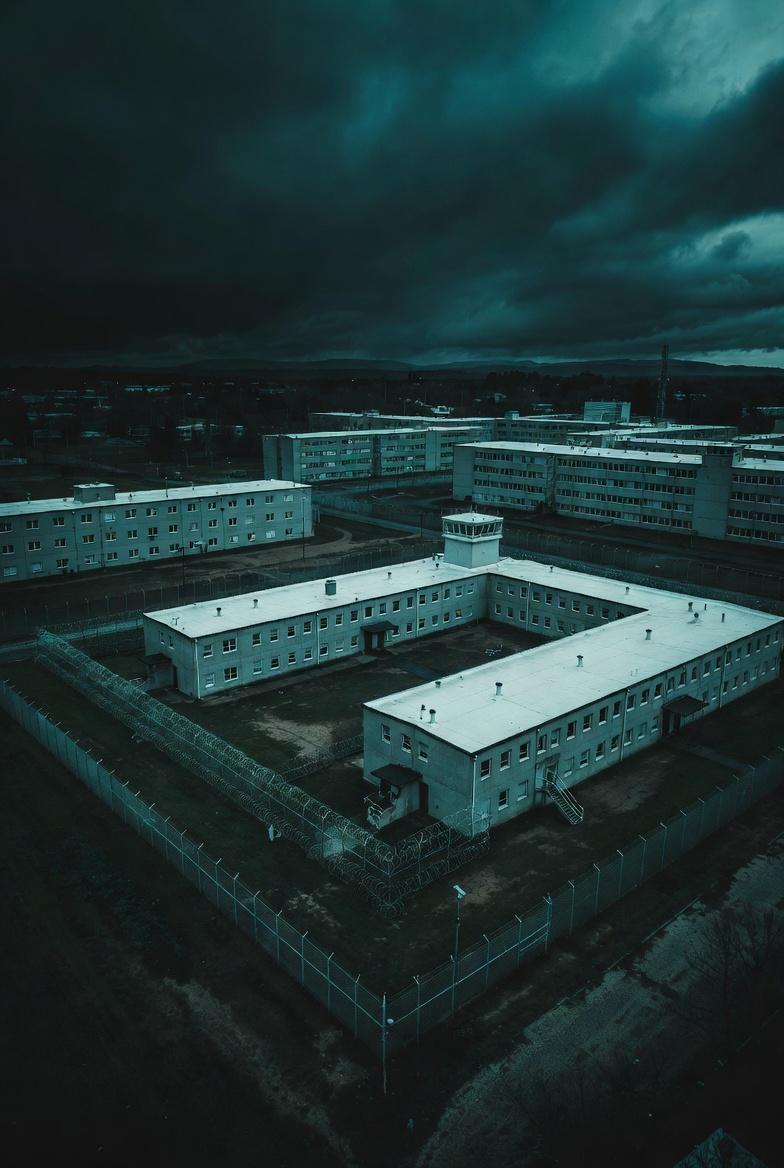
NCDPS - Pender Correctional Institution
State Prison | United States County — North Carolina
NCDPS - Pender Correctional Institution is a state correctional facility operated by the North Carolina Department of Public Safety (NCDPS), located at 906 Penderlea Highway, Burgaw, NC 28425, in Pender County. As one of many institutions within the North Carolina correctional facilities network, Pender Correctional Institution plays a meaningful role in the state's broader mission to safely house, supervise, and rehabilitate incarcerated individuals sentenced under North Carolina law.
State correctional institutions like Pender differ significantly from county jails and local holding facilities. While county jails primarily handle short-term detention, pre-trial holding, and individuals serving sentences of less than one year, state prisons like Pender are designed to house individuals who have been convicted and sentenced to longer terms under state custody. North Carolina's structured sentencing framework — established in 1994 — determines where an offender serves their sentence based on the severity of the offense and the individual's prior criminal history. As a result, Pender Correctional Institution may house individuals convicted of a wide range of offenses from across all 100 North Carolina counties.
If you have a loved one who may be incarcerated here or at another facility in the state, families can search criminal records to find current incarceration status and case information quickly using public records tools. For additional resources, you can also how to find an inmate using our step-by-step guide designed specifically for families navigating the North Carolina prison system.
One of the most defining characteristics of Pender Correctional Institution is its location in rural southeastern North Carolina, a setting that shapes nearly every aspect of the facility's operations and daily culture. Pender County is known for its wide-open farmland, small tight-knit communities, and a population that has long had ties to agriculture, forestry, and military service at nearby installations. This rural context means the facility is deeply woven into the local economic and social fabric — correctional employment represents a significant portion of stable, benefit-eligible jobs in the region.
The rural setting also has practical implications for incarcerated individuals and their families. Visitors often travel considerable distances to reach the facility, which makes advance planning and adherence to visitation scheduling policies especially important. Families coming from urban centers like Wilmington, Raleigh, or Jacksonville should account for drive times and confirm visitation hours well in advance to avoid wasted trips.
From an operational standpoint, Pender functions as a medium-custody facility, meaning it is designed to house individuals who require more supervision than minimum-security camps but do not present the elevated security concerns managed at close- or maximum-custody prisons. This classification allows for a structured but somewhat less restrictive environment, with greater opportunities for work assignments, programming participation, and outdoor recreation compared to higher-security institutions. The facility's medium-custody designation makes it a significant site for reentry-preparatory programming, helping individuals develop the skills and mindset needed for a successful return to their communities.
Pender Correctional Institution houses adult male inmates who have been sentenced and classified under North Carolina's structured sentencing guidelines. As a medium-custody facility, the population generally consists of individuals serving mid-range sentences for offenses that span a variety of categories, including non-violent crimes, property offenses, drug-related convictions, and certain lower-level violent offenses. Custody level assignments are determined by NCDPS classification officers who weigh factors such as offense type, sentence length, disciplinary history, program needs, and proximity to release.
The population at Pender reflects the broad cross-section of individuals sentenced across North Carolina's 100 counties. Because NCDPS assigns inmates to facilities based on classification scores and operational capacity rather than geographic origin, a given inmate's family may be located hours away from the facility. This reality underscores the importance of maintaining communication through all available channels — mail, telephone, and approved visitation.
Like many medium-custody facilities in the NCDPS system, Pender also houses individuals at varying stages of their sentences — from those who are newly received and still adjusting to institutional life, to those approaching release who are focused on reentry planning and transitional programming. This mix of sentence stages creates an environment where programming staff work to address a wide range of individual needs, from basic literacy and GED attainment to vocational skill development and substance abuse recovery.
Living conditions at Pender Correctional Institution are governed by the policies and operational standards set by the North Carolina Department of Public Safety. As a medium-custody facility, inmates are generally housed in dormitory-style or cell-block units, depending on the specific housing area and classification requirements. Daily life follows a structured schedule that includes set times for wake-up, meals, work assignments, programming, recreation, and personal time. This predictable routine is a deliberate component of the facility's approach to maintaining safety, order, and a constructive environment for those in its care.
Inmates are provided with basic necessities including three meals per day, clothing, bedding, and hygiene supplies. The food service program operates under NCDPS nutritional standards, and special dietary accommodations may be available for medically documented needs or sincerely held religious beliefs, subject to facility approval. Inmates also have access to a commissary program, which allows them to purchase supplemental food items, personal care products, writing materials, and other approved goods using funds deposited to their accounts.
Medical, dental, and mental health services are available on-site or through referral to contracted NCDPS healthcare providers, ensuring that individuals with ongoing health needs receive appropriate care during their incarceration. Recreational opportunities — including outdoor yard time, physical fitness, and organized activities — are incorporated into the weekly schedule, as physical activity and mental wellness are recognized as important components of a stable institutional environment. Disciplinary policies are enforced consistently, and individuals who maintain good behavior may earn privileges or be considered for classification reviews over time.
Pender Correctional Institution offers a range of programs designed to support rehabilitation, personal development, and reentry readiness — consistent with the North Carolina Department of Public Safety's statewide commitment to reducing recidivism and helping individuals successfully return to their communities. These programs address educational needs, vocational skills, substance abuse recovery, and life skills development.
Educational programming is a cornerstone of what Pender provides. Inmates who have not completed high school or earned an equivalent credential can work toward their GED, a critical milestone for improving post-release employment prospects and long-term stability. Literacy support services are also available for individuals who need foundational academic assistance before pursuing GED coursework. Participation in educational programs is strongly encouraged and, in some cases, required based on an individual's sentence plan.
Vocational and work-based programming gives inmates the opportunity to develop practical, marketable skills that can translate directly into employment after release. Work assignments within the facility — in areas such as food service, facility maintenance, laundry, and grounds keeping — instill work ethic, punctuality, and basic job skills. Some NCDPS facilities also offer more structured vocational certification courses, and availability at Pender may vary based on current enrollment and staffing.
Substance abuse programming is another significant component of Pender's offerings. Given that substance use disorders are a contributing factor in a large proportion of criminal justice involvement, evidence-based treatment and recovery support programs are prioritized within the NCDPS system. Cognitive-behavioral programming, which helps individuals identify and change patterns of thinking that contribute to criminal behavior, is also available and plays an important role in long-term rehabilitation outcomes. Faith-based programs and peer support groups further round out the programming landscape, offering additional avenues for personal growth and community building within the facility.
Pender Correctional Institution has operated as part of North Carolina's state prison system for several decades, reflecting the state's ongoing commitment to managing its incarcerated population through a regionally distributed network of facilities. The institution is situated in Burgaw, the county seat of Pender County — a largely rural, agriculturally rooted community in the southeastern corner of the state. Like many correctional facilities in rural North Carolina, Pender has historically served a dual purpose: providing state-mandated correctional services and acting as a source of stable public-sector employment for the surrounding community.
Over the years, Pender Correctional Institution has evolved in step with broader shifts in North Carolina's criminal justice landscape. The state's landmark adoption of structured sentencing in 1994 fundamentally changed how individuals were sentenced, classified, and assigned to facilities. Under this system, offense severity and prior record points determine presumptive sentencing ranges, reducing judicial discretion and creating more consistency across the state. Pender, like other NCDPS facilities, adapted its intake and classification procedures to align with these reforms.
More recent years have brought additional changes driven by criminal justice reform efforts, updated rehabilitation programming standards, and shifts in the overall incarcerated population in North Carolina. The facility has adjusted its programming offerings and operational approach accordingly, working to align with NCDPS's stated goals of reducing recidivism, supporting successful reentry, and maintaining safe conditions for both staff and the people in its custody. Pender Correctional Institution remains an active and integral part of the southeastern North Carolina correctional infrastructure today.
No widely documented famous former inmates are associated with Pender Correctional Institution at this time. Because NCDPS assigns inmates to facilities based on classification scores, custody levels, and operational capacity rather than public profile or notoriety, the population at Pender reflects a broad cross-section of the state's sentenced individuals rather than any notable public figures. This is typical of medium-custody facilities throughout the North Carolina prison system.
If you are researching the background or case history of someone who has been or may currently be incarcerated at Pender Correctional Institution, you can look up an inmate's arrest history and other publicly available records using an online public records search tool. This can be a helpful starting point when trying to confirm where someone is housed or understand the details of their case.
Visitation is one of the most powerful ways families can maintain meaningful connections with incarcerated loved ones, and research consistently shows that strong family relationships during incarceration significantly improve rehabilitation outcomes and reduce the likelihood of reoffending. Pender Correctional Institution recognizes this and facilitates visitation in accordance with NCDPS policies. All visitors must be pre-approved by being placed on the inmate's approved visitor list before any visit can take place.
To be added to an inmate's approved visitor list, prospective visitors must submit a visitor application, which is reviewed by facility staff. The approval process may include a background check, and certain criminal histories or prior disciplinary incidents may affect eligibility. Visitors are encouraged to submit applications well in advance of their intended visit, as approval processing can take time. It is also advisable to confirm current visitation schedules directly with the facility before traveling, as hours and availability may change due to facility operations, lockdowns, or holidays.
On the day of a visit, all visitors must present valid government-issued photo identification and comply with the facility's dress code. Items brought into the visitation area are subject to strict limitations, and visitors should review NCDPS's clothing and personal item guidelines beforehand to avoid being turned away. Children visiting must be accompanied by an approved adult guardian. During the visit, conduct must remain within facility rules, and staff have the authority to terminate visits that violate guidelines.
For families who cannot visit in person due to distance or other circumstances, staying connected through written mail and approved phone services is an important alternative. You may also want to explore how to send money to an inmate's commissary account to help support their daily needs. For the most current and official visitation information, visit the NCDPS Pender Correctional Institution official page.
Staying in contact with an incarcerated loved one at Pender Correctional Institution is possible through several approved channels, including telephone calls, written correspondence, and in-person visitation. Each method has its own procedures and requirements, and understanding them in advance will help ensure that your communications are not delayed or rejected.
Phone Calls: Inmates at Pender may make outgoing calls through a contracted telecommunications provider approved by NCDPS. Family members and friends who wish to receive calls must typically create an account with the provider and add funds to a prepaid account. Calls are subject to monitoring and recording, with the exception of legally privileged attorney-client communications. Rates and account setup instructions are available through the telecommunications provider directly — the facility or NCDPS can provide current provider information upon request.
Written Mail: Sending letters and cards is one of the most personal and meaningful ways to stay connected. All incoming mail is screened by facility staff before delivery, so envelopes and contents must comply with NCDPS mailing guidelines. The mailing address for Pender Correctional Institution is 906 Penderlea Highway, Burgaw, NC 28425. Be sure to include the inmate's full legal name and NCDPS identification number on the envelope to ensure proper delivery. Packages and publications must also meet facility standards and may need to be ordered directly from approved vendors.
Electronic Messaging: NCDPS facilities may offer electronic messaging services through approved platforms, which can provide a faster and more convenient way to communicate compared to traditional mail. Check with the facility or the NCDPS website to confirm current availability at Pender.
If you are unsure whether your loved one is currently housed at Pender or have questions about locating an inmate within the system, see our guide on how to find an inmate in North Carolina for a step-by-step walkthrough of the NCDPS offender search tools and other resources available to families.
Sponsored and Powered by our Partner TruthFinder
Quick Facts
Should I Be Concerned? — Family Guide
Pender Correctional Institution is a medium-security facility with comprehensive safety measures designed to protect visitors, staff, and inmates. The facility maintains controlled access points, regular security inspections, and trained correctional personnel on-site. All visiting areas are designated safe zones with appropriate supervision and established security protocols. Visitors are screened upon entry, and clear rules of conduct are enforced to maintain a secure environment.
Families planning visits should arrive early, bring valid identification, and review the facility's current visitor guidelines before arrival. The institution's security team is trained to handle various situations professionally. For visitor safety information and to confirm current protocols, contact the facility directly at (910) 259-1300.
Neighborhood & Getting There
Pender Correctional Institution is located in Pender County in southeastern North Carolina, approximately 30 miles north of Wilmington in a rural setting. The facility's location provides a quiet environment away from high-traffic commercial areas, with natural rural surroundings. The region offers convenient coastal access within 30-40 minutes, and visitors can find hotels and dining options in nearby Wilmington, including chains like Hampton Inn, Holiday Inn Express, and local restaurants.
The drive from Wilmington to the facility takes approximately 45 minutes via US-17 North. For visitors traveling from further distances, Wilmington International Airport (ILM) is the nearest major airport, about 35 miles south. The surrounding area provides a peaceful rural character while remaining accessible to regional amenities and services for visiting families.