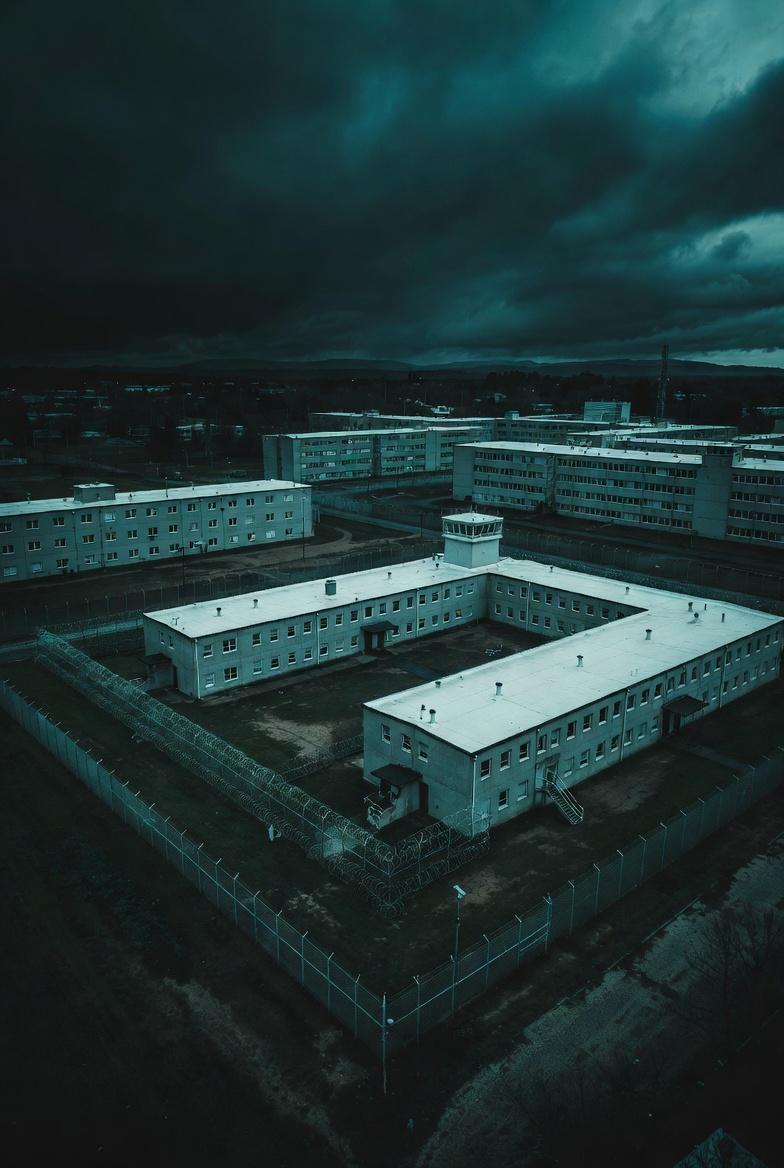
Minneapolis KS Police Jail
Police Department Jail | Kansas County — Kansas
Minneapolis KS Police Jail is a municipal police detention facility located at 218 North Rock Street, Minneapolis, Kansas 67467, serving the city of Minneapolis and the broader Ottawa County region. As part of the network of Kansas correctional facilities, this jail plays an essential role in the local justice system by providing a secure, short-term holding environment for individuals taken into custody by the Minneapolis Police Department and, at times, by cooperating law enforcement agencies operating in the surrounding area.
Municipal police jails like this one — sometimes referred to as city jails or town lockups — typically serve as the first point of detention following an arrest within city limits. When an officer makes an arrest in Minneapolis, Kansas, the individual is transported to this facility for booking, processing, and initial detention. Ottawa County is a largely rural area, which means this police jail may also function as a temporary holding location for arrests made by Ottawa County Sheriff's deputies or Kansas Highway Patrol troopers working nearby, particularly when county facilities are at capacity or when expedient processing is required.
It is important for families to understand that the detention process does not always end at the police jail. After initial booking, detainees may be transferred to the Ottawa County Jail or another regional facility, depending on the severity of the charges, court scheduling, or available bed space. This means that if you are trying to locate a recently arrested loved one, you may need to contact more than one facility. Families can search criminal records to help identify where a person is currently being held, including booking status and recent arrest history.
The facility is operated under the authority of the Minneapolis Police Department and is subject to oversight by Kansas state correctional standards. While it is not a long-term housing institution, it remains a vital component of public safety infrastructure for Ottawa County's county seat and the surrounding communities.
One of the most notable characteristics of Minneapolis KS Police Jail is its role as the primary first-response detention facility for Ottawa County's county seat. Because Minneapolis is the largest municipality in an otherwise largely rural county, the police jail frequently serves individuals arrested across a wide geographic catchment area — extending well beyond the city limits themselves. This gives the facility an outsized importance relative to its modest size, as it effectively functions as the initial processing hub for a significant portion of Ottawa County's law enforcement activity.
Another distinguishing feature is the facility's position within the broader detention pipeline of the region. Unlike county jails or state correctional institutions, which may house inmates for months or years, this police jail is specifically designed for short-duration custody — typically measured in hours or days rather than weeks. This focus on efficient intake, booking, and early-stage detention requires a well-coordinated operation that can process individuals quickly, communicate effectively with the courts, and facilitate transfers to longer-term facilities when necessary.
For families and legal representatives, this means that reaching the right point of contact quickly is critical. The Minneapolis Police Department's jail staff are generally the first people who can confirm custody status, provide booking information, and direct families toward the next steps in the process. If you are unsure where to begin looking for a recently arrested individual, our guide on how to find an inmate can walk you through the process step by step.
The inmate population at Minneapolis KS Police Jail is characteristically small, reflecting both the size of the community it serves and its function as a short-term holding facility rather than a long-term correctional institution. At any given time, the facility may hold anywhere from a handful to a few dozen individuals, with population levels fluctuating based on local law enforcement activity, court scheduling, and seasonal factors that can influence arrest rates in rural Kansas communities.
The population is composed primarily of pre-trial detainees — people who have been arrested and are awaiting their initial court appearance, bail determination, or transfer to a county or regional facility. Some individuals may also be held briefly on outstanding warrants, civil holds, or detainers placed by other jurisdictions. Because stays at a police jail are generally short, the population turns over frequently, making it difficult for families to track a loved one's location without direct communication with the facility.
The demographic makeup of the detainee population broadly reflects the surrounding region: predominantly adults from Ottawa County and neighboring areas, with a mix of charges ranging from minor misdemeanors to more serious felony allegations. Individuals charged with the most serious offenses are typically transferred to the Ottawa County Jail or a state facility relatively quickly after booking. Juveniles and individuals with significant medical or mental health needs are generally not held long-term at a facility of this type and are referred to appropriate specialized resources as soon as possible.
Living conditions at Minneapolis KS Police Jail are consistent with what one would expect from a small municipal holding facility operating in rural Kansas. The environment is functional and purposefully focused on short-term detention rather than long-term rehabilitation, programming, or recreational amenities. Detainees are housed in holding cells designed to meet Kansas state standards for space, sanitation, lighting, and personal safety.
Basic necessities are provided to all detainees throughout their stay, including:
- Three meals per day meeting minimum nutritional standards established for detention facilities
- Access to toilet and hygiene facilities within or adjacent to holding areas
- Bedding and a sleeping surface for individuals held overnight or longer
- Access to clean drinking water at all times
- Basic personal hygiene items such as soap, as available
Because the facility is designed for short-term custody, detainees should not expect the amenities or structured daily routines found at larger county jails or state correctional facilities. There are no dedicated recreation yards, programming classrooms, or commissary systems of the scale found at longer-term institutions. However, the facility is required by Kansas state standards to maintain a safe and humane environment for all individuals in custody, regardless of the length of their stay.
Families concerned about the wellbeing of a loved one held at this facility are encouraged to contact the jail directly at (785) 392-3062 with any specific questions. Staff can often provide general status updates and direct families to appropriate resources if more detailed information is needed.
As a short-term municipal holding facility, Minneapolis KS Police Jail does not offer the range of structured programs that larger county jails or state prisons typically provide. The primary mission of the facility is secure short-term detention, and the brief duration of most stays — often measured in hours or a few days rather than weeks or months — makes it impractical to deliver comprehensive educational, vocational, substance abuse treatment, or therapeutic programming on-site.
That said, detainees at the facility retain important legal rights and have access to certain essential services, including:
- Legal access: Individuals have the right to consult with an attorney and to make phone calls to arrange legal representation. The facility is required to facilitate this access in a timely manner.
- Medical attention: If a detainee has a medical need that arises during custody, staff are responsible for ensuring that appropriate care is arranged, whether on-site or through a referral to an outside medical provider.
- Religious materials: Detainees generally have access to religious texts upon request, consistent with their rights under applicable law.
- Phone access: Outgoing phone calls are typically permitted at designated times, allowing detainees to contact family members, attorneys, or other support persons.
For individuals who are subsequently transferred to the Ottawa County Jail or a Kansas Department of Corrections facility, a broader array of programs — including GED preparation, substance abuse counseling, and vocational training — may become available. Families looking for ways to support a loved one through this period can also explore resources through our family services page, which includes information on reentry support and community assistance programs.
Minneapolis, Kansas was founded in 1870 and incorporated shortly thereafter, growing steadily alongside the expansion of the railroad and the development of agriculture across Ottawa County. Like most small municipalities that took root on the Great Plains during the latter half of the nineteenth century, Minneapolis established a local law enforcement presence early in its history to maintain order in a rapidly evolving frontier community. A town lockup of some form has been associated with the Minneapolis Police Department for well over a century, making the jail's history inseparable from the broader story of the city itself.
The current police jail at 218 North Rock Street represents the natural evolution of what began as a rudimentary city lockup — likely a single holding room or small cell block — into a more formalized detention facility built to meet modern standards for inmate safety, staff security, and legal compliance. Over the decades, municipal jails throughout Kansas were progressively required to conform to state guidelines governing cell dimensions, sanitation, access to legal counsel, and basic inmate rights, and the Minneapolis facility has evolved alongside those regulatory changes.
Ottawa County itself has a rich history rooted in agriculture, community resilience, and small-town governance. The Minneapolis Police Department, like other municipal agencies in similarly sized Kansas cities, has adapted its detention operations over the years to reflect changing laws, shifting population needs, and improvements in law enforcement practice. Today, the police jail continues to serve its foundational purpose: providing a safe, secure, and legally compliant environment for individuals in the immediate aftermath of arrest, bridging the gap between the moment of custody and the beginning of formal judicial proceedings.
No widely documented famous former inmates are associated with Minneapolis KS Police Jail. As a small municipal holding facility serving a rural Kansas community, the jail's detainee population has historically reflected local arrests rather than high-profile cases attracting regional or national media attention. This is typical of police jails in similarly sized municipalities throughout the Great Plains, where the volume and visibility of arrests remain modest compared to urban detention centers. If you are researching a specific individual's arrest or custody history, you can look up an inmate's arrest history using publicly available criminal records databases.
Visitation policies at Minneapolis KS Police Jail are established and enforced by the Minneapolis Police Department and may be subject to change based on staffing availability, facility capacity, court schedules, and any applicable public health considerations. Because this is a short-term holding facility, formal visitation programs are more limited in scope and frequency than those offered at county jails or state correctional institutions, where inmates may remain for extended periods.
Families wishing to visit a detained loved one should call the facility directly at (785) 392-3062 before making any trip to the jail. Staff can confirm whether the individual is currently in custody, advise on whether visitation is available, and provide details on any requirements visitors must meet — such as presenting valid government-issued photo identification. Walk-in visits without prior confirmation are generally not recommended, as access may be restricted depending on the time of day or operational circumstances at the facility.
When planning a visit, keep the following general guidelines in mind:
- Bring a valid, government-issued photo ID (driver's license, state ID, or passport)
- Dress modestly and avoid clothing that may be confused with inmate attire or law enforcement uniforms
- Be prepared for a security screening process before entering any detention area
- Children accompanying adults on visits may be subject to additional restrictions — confirm with staff in advance
Because stays at a police jail are often brief, it is possible that a loved one may be transferred to the Ottawa County Jail or another facility before a scheduled visit can take place. Staying in regular phone contact with both the detainee and the facility is the best way to stay informed about any transfers. Families may also wish to send money to their commissary account once a transfer to a longer-term facility has occurred, as commissary access at the police jail level is typically limited.
The most direct way to contact someone held at Minneapolis KS Police Jail is by calling the facility at (785) 392-3062. Jail staff can confirm whether a specific individual is currently in custody, provide general booking information, and offer guidance on how to arrange phone contact or an in-person visit. It is always a good idea to call ahead rather than arriving unannounced, as access and visitation availability can change from day to day based on staffing and operational needs.
Detainees at the facility are generally permitted to make outgoing phone calls, though the timing and frequency of those calls may depend on facility policy and the current status of the individual's custody. In many cases, a detainee's first phone call will be used to contact a family member or attorney. Families waiting to hear from a loved one should ensure that their phone number is one the detainee has memorized or has written access to.
Written correspondence may be possible for individuals held at the facility for longer periods, though mail services at a police jail are typically more limited than at county or state institutions. If your loved one has been or is expected to be transferred to a larger facility, written communication will likely become easier once they are housed at the Ottawa County Jail or a Kansas Department of Corrections institution. For a full overview of your options, see our guide on how to find an inmate, which covers everything from confirming custody status to making first contact. You can also search public criminal records to verify booking details and find out which facility currently has your loved one in custody.
Sponsored and Powered by our Partner TruthFinder
Quick Facts
Should I Be Concerned? — Family Guide
The Minneapolis Police Jail maintains professional safety standards for all visitors during designated visitation hours. All guests undergo standard security screening procedures and must comply with facility security protocols to ensure the safety of inmates, staff, and visitors. The booking area and visitation zones are strictly separated to maintain controlled access and prevent security breaches.
Families should expect standard security measures including metal detection screening, bag inspections, and identification verification. Visitors are required to follow all posted facility rules and dress codes. Contact the Minneapolis Police Department directly at their main office for current visitation schedules, as hours may vary seasonally or due to operational needs. Planning ahead and arriving early helps ensure a smooth visitation experience.
Neighborhood & Getting There
Minneapolis, Kansas is a small rural community located in Ottawa County in north-central Kansas. The city is conveniently accessible via Highway 81 and features a charming downtown area with local businesses, restaurants, and municipal services. The police facility is centrally located within city limits, making it easily accessible for visitors and family members.
The surrounding neighborhood consists of typical rural Kansas residential areas and local businesses. For visitors traveling from out of town, nearby lodging options can be found in surrounding communities within a 30-45 minute drive. The facility's central location near downtown Minneapolis provides convenient access to restaurants, convenience stores, and other services families may need during their visit.