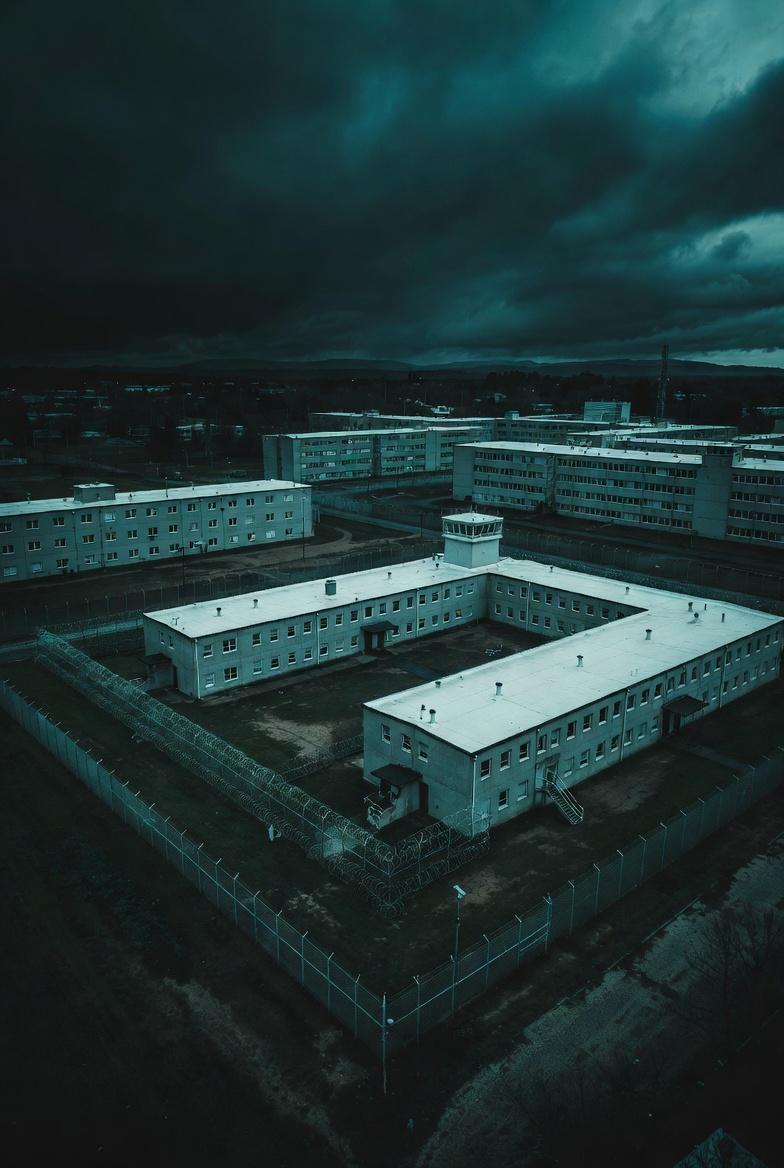
Mackinac County Jail is a medium security facility located in Saint Ignace, Michigan County, Michigan. Operating under the Michigan Department of Corrections system, this facility houses male inmates and serves as a critical component of the county's correctional infrastructure. The jail is positioned at 100 South Marley Street in Saint Ignace, providing a secure environment for individuals awaiting trial and those serving sentences.
Families seeking information about loved ones at Mackinac County Jail can perform a Mackinac County Jail inmate search to locate inmates and verify their status. Relatives can schedule visits, send money to commissary accounts, and search criminal records to access Mackinac County Jail arrest records. The Saint Ignace location places the facility in Michigan's Upper Peninsula, requiring families to plan ahead when traveling for visits.
Mackinac County Jail in Saint Ignace Michigan stands out as one of the northernmost correctional facilities in the Michigan Department of Corrections system, serving the unique geographic and demographic needs of Michigan County and surrounding Upper Peninsula communities. Its location in Saint Ignace places it near the Straits of Mackinac, a historically significant area that presents distinct logistical considerations for both operations and family visitation. The facility's medium security classification allows it to handle a diverse range of offenders while maintaining appropriate safety protocols. This jail serves as a central booking and detention center for the county, processing arrests from local law enforcement agencies and housing inmates throughout various stages of the criminal justice process, from initial arrest through sentencing and transfer to state facilities when necessary.
Mackinac County Jail Data & Statistics:
| Total Confined | 23 |
| Full-Time Employees | 14 |
| Part-Time Employees | 3 |
*Statistical data from census.gov
The inmate population at Mackinac County Jail consists exclusively of male offenders housed under medium security protocols. Inmates typically include individuals awaiting trial who have not posted bail, those serving misdemeanor sentences, and felony offenders awaiting transfer to state prisons. The facility processes a range of offenses common to Michigan County, including property crimes, substance-related violations, domestic incidents, and other criminal charges. The population includes both pre-trial detainees who maintain a presumption of innocence and sentenced individuals completing their terms. Special populations may include inmates requiring medical supervision, mental health monitoring, or protective custody arrangements based on individual safety assessments. The jail's classification system evaluates each inmate upon intake to determine appropriate housing assignments and security levels within the facility's medium security framework, ensuring proper separation based on offense severity, criminal history, and behavioral considerations.
Living conditions at Mackinac County Jail reflect medium security standards within the Michigan correctional system. The facility features a combination of housing configurations designed to accommodate different custody levels and inmate classifications. Housing units typically include both individual cells and dormitory-style arrangements, with assignments based on security assessments and behavior records. Inmates receive three meals daily, prepared according to nutritional standards and accommodating medical or religious dietary requirements when properly documented. Recreation opportunities include scheduled yard time and indoor recreation areas, allowing inmates to maintain physical activity within security protocols. Medical care is available through healthcare staff who conduct intake screenings and provide ongoing treatment for chronic conditions and acute medical needs. Mental health services address psychological concerns, crisis intervention, and medication management for inmates with diagnosed conditions. The facility maintains a formal grievance process enabling inmates to report concerns about conditions, treatment, or rule violations. Daily routines are structured around count times, meal service, work assignments, and program participation, with privileges tied to compliance with facility regulations.
Programs available at Mackinac County Jail aim to address rehabilitation needs and prepare male inmates for successful reintegration into Michigan County communities. Educational opportunities may include GED preparation for inmates lacking high school diplomas, with instruction provided either by facility staff or community educators. Substance abuse treatment addresses the underlying addiction issues that contribute to criminal behavior, offering counseling and education about recovery strategies. Faith-based programming connects inmates with chaplaincy services and religious volunteers who provide spiritual guidance and support. Cognitive behavioral interventions help participants recognize thinking patterns that lead to criminal conduct and develop healthier decision-making skills. Re-entry planning assists inmates nearing release with identifying housing resources, employment opportunities, and community support services in Saint Ignace and surrounding areas. The availability and scope of programs may vary based on facility resources, inmate eligibility, and sentence length, with priority often given to those serving longer terms or identified as higher risk for recidivism.
Work assignments at Mackinac County Jail provide inmates with structured activity while supporting facility operations. Common assignments include kitchen duty, where inmates assist with meal preparation and service under staff supervision, and laundry operations that handle bedding, clothing, and towels for the inmate population. Maintenance crews perform routine cleaning, repairs, and upkeep of housing units and common areas, while grounds workers maintain outdoor spaces when weather permits. These work assignments align with the facility's medium security classification, offering appropriate responsibilities while maintaining necessary supervision and security protocols. Participation in work programs may contribute to good-time credits or privileges within the facility, encouraging positive behavior and cooperation with staff directives. Assignments are made based on inmate classification, behavior history, and facility needs.
Mackinac County Jail has served Saint Ignace and Michigan County as a cornerstone of local law enforcement and corrections for decades. The facility's establishment responded to the need for secure detention capacity in this Upper Peninsula region, where geographic isolation required local correctional resources rather than reliance on distant state facilities. Over the years, the jail has adapted to evolving standards in corrections, including modifications to housing units, updates to security systems, and implementation of contemporary classification procedures. The facility's location in Saint Ignace reflects the city's role as the county seat and administrative center for Michigan County. Throughout its operational history, Mackinac County Jail has maintained its function as both a pre-trial detention center and a sentencing facility for misdemeanor offenders, while also serving as a temporary holding facility for felons awaiting transfer to state prisons. The jail continues to operate within the Michigan Department of Corrections framework, adhering to state standards while addressing the specific needs of this northern Michigan community.
Mackinac County Jail visiting hours are scheduled to allow families to maintain contact with incarcerated loved ones while ensuring facility security. Visitors must present approved government-issued identification such as a driver's license or state ID card upon arrival. The facility enforces dress code restrictions that typically prohibit revealing clothing, items resembling inmate uniforms, and clothing with offensive graphics or language. The visitor registration process may require advance approval, and families should search public records to confirm current housing status before traveling to Saint Ignace. Entry screening includes metal detectors and inspections to prevent contraband introduction. Families should contact Mackinac County Jail directly to confirm current visiting hours, as schedules may vary by housing unit or change due to facility operations, and to verify their placement on the inmate's approved visitor list before making the trip to the facility.
To contact an inmate at Mackinac County Jail, families must use the correct Mackinac County Jail mailing address format. All correspondence should be addressed with the inmate's full legal name and identification number, followed by Mackinac County Jail, 100 South Marley Street St. Ignace, MI 49781. Incoming mail undergoes inspection for contraband and prohibited content before delivery to inmates. Books and magazines typically must arrive directly from approved vendors or publishers rather than personal senders to comply with security protocols. Phone services allow inmates to place collect calls or prepaid calls to approved numbers, requiring families to establish accounts with the designated phone provider. You can also look up arrest records to find booking information and inmate identification numbers needed for correspondence and money transfers.
Sponsored and Powered by our Partner TruthFinder
Quick Facts
Should I Be Concerned? — Family Guide
Mackinac County Jail operates at Medium security with zero reported staff assaults, indicating a stable environment for visits. Families should expect standard security procedures including bag checks and ID verification. When planning a visit, call ahead to confirm current visitation hours and any facility-specific rules, as these may change without notice.
Neighborhood & Getting There
Saint Ignace is located in Michigan's Upper Peninsula, in a rural region known for natural scenery and small-town character. The area is accessible by car and situated near regional transportation corridors. Families visiting should plan accordingly for the remote location. For current lodging options and directions from your area, check online resources and contact the facility directly for the most up-to-date visitor information and local amenities.