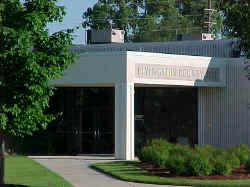
Livingston County MI Jail
County Jail | Livingston County — Michigan | Livingston County Michigan Sheriff's Office
Livingston County MI Jail is a medium security correctional facility located in Howell, Livingston County, Michigan. Established in 1971, this facility operates under the Michigan Department of Corrections system and serves as the primary detention center for Livingston County. Under the leadership of Sheriff Michael J. Murphy, the jail maintains a capacity of 411 inmates and houses both male and female populations. The facility at 150 South Highlander Way serves individuals who are awaiting trial, sentencing, or serving shorter-term sentences for county-level offenses.
Families seeking information about incarcerated loved ones can perform a Livingston County MI Jail inmate search to locate individuals currently detained at the facility. The jail provides resources for families to schedule visits, send money to inmate commissary accounts, and access important information. Families can also search criminal records to verify incarceration status and obtain booking details. Located in Howell, the facility is accessible to families traveling from surrounding areas in southeastern Michigan, including Brighton, Hartland, and Pinckney.
What distinguishes the Livingston County MI Jail Howell MI from other county facilities in Michigan is its comprehensive capacity to serve a growing suburban county population while maintaining direct oversight under the Livingston County Sheriff's Office. With a capacity of 411 inmates, the facility is designed to accommodate both pre-trial detainees and sentenced offenders within a medium security classification structure. The jail's location on South Highlander Way in Howell places it within the county's administrative center, allowing for efficient coordination with local courts, prosecutors, and public defenders. Since its founding in 1971, the facility has evolved to meet the changing needs of Livingston County, implementing modern detention practices and classification systems that separate inmates by gender, offense severity, and behavioral risk. This operational flexibility enables the jail to safely manage a diverse inmate population while providing appropriate programming and supervision levels tailored to individual custody requirements.
The inmate population at Livingston County MI Jail consists primarily of individuals detained on local and state charges ranging from misdemeanors to felonies. As a county-level facility, a significant portion of inmates are pre-trial detainees awaiting court proceedings, while others serve sentences for convictions typically not exceeding one year. The jail houses both male and female inmates in separate housing units, with classification protocols that account for offense type, criminal history, and behavioral factors. Common offenses include property crimes, drug-related charges, domestic violence, probation violations, and driving under the influence. The facility also manages special populations requiring additional supervision and services, including inmates with medical needs, mental health conditions, and those requiring protective custody due to safety concerns. Livingston County MI Jail arrest records document the booking and classification process for each individual entering the facility, ensuring proper placement within the medium security environment based on risk assessment and institutional safety considerations.
Living conditions at Livingston County MI Jail reflect its medium security classification and county jail operational standards. Inmates are housed in a combination of single cells and multi-occupant dormitory-style units, with housing assignments determined by gender, custody level, and behavioral classification. Male and female populations are maintained in strictly separate housing areas. Each housing unit includes basic furnishings such as beds, toilets, and sinks, with communal dayrooms providing space for recreation and social interaction during designated times. Meals are served three times daily according to nutritional standards established by Michigan correctional guidelines, with special dietary accommodations available for medical or religious requirements. Inmates have scheduled access to outdoor recreation yards for physical exercise, weather permitting. Medical care is provided through on-site health services staff who conduct intake screenings, manage chronic conditions, dispense medications, and coordinate off-site treatment when necessary. Mental health services are available for inmates experiencing psychological distress or requiring ongoing behavioral health support. The facility maintains a formal grievance process allowing inmates to report concerns about conditions, treatment, or safety issues to jail administration for investigation and resolution.
Livingston County MI Jail offers programming designed to address educational deficits, substance abuse issues, and behavioral challenges common among the county jail population. Educational opportunities include GED preparation classes for inmates lacking high school diplomas, enabling them to work toward educational credentials during their incarceration. Substance abuse treatment programming addresses addiction issues through group counseling sessions and educational modules focused on recovery principles and relapse prevention strategies. Faith-based programs provide spiritual support and moral guidance through volunteer-led religious services and study groups representing various denominations. Cognitive behavioral interventions help inmates develop decision-making skills, anger management techniques, and strategies for addressing criminal thinking patterns that contributed to their offenses. Re-entry planning services connect inmates nearing release with community resources, employment assistance, and transitional support to reduce recidivism and promote successful reintegration into Livingston County communities. Program availability may vary based on inmate custody status, sentence length, and behavioral compliance, with pre-trial detainees having more limited access compared to sentenced inmates serving longer terms.
Work assignments at Livingston County MI Jail provide inmates with structured activities while supporting facility operations. Eligible inmates may be assigned to various work details including kitchen duties such as food preparation and serving, laundry operations handling institutional linens and clothing, facility maintenance tasks including cleaning and minor repairs, and grounds keeping responsibilities for exterior areas. These work assignments help inmates develop responsibility, maintain daily routines, and acquire basic employment skills applicable to post-release job searches. Medium security classification allows for controlled inmate movement to work areas under staff supervision. Participation in work programs may result in good-time credits or other incentives that recognize positive institutional behavior. Work assignments are typically voluntary but highly sought after by inmates seeking productive ways to occupy their time and demonstrate cooperation. Selection for work details considers factors including custody classification, disciplinary history, sentence length, and specific skills or abilities inmates possess that match institutional labor needs.
Livingston County MI Jail was established in 1971 to serve the detention needs of Livingston County, which experienced significant population growth as southeastern Michigan expanded beyond the Detroit metropolitan core. The facility's construction in Howell, the county seat, reflected the need for a centralized detention center accessible to county courts and law enforcement agencies. Since its founding, the jail has undergone various operational enhancements and expansions to accommodate the growing population of this suburban county positioned between Detroit and Lansing. Over the decades, the facility has modernized its classification systems, security technologies, and inmate management practices to align with evolving correctional standards. The jail currently operates with a capacity of 411 inmates under the direction of Sheriff Michael J. Murphy, serving as the primary custodial institution for individuals arrested and charged within Livingston County. Today, the facility continues its role as an essential component of the Michigan correctional system, managing both pre-trial detainees and sentenced offenders while providing services that balance security, custody, and rehabilitation within a county jail environment.
Families planning to visit inmates at Livingston County MI Jail should verify Livingston County MI Jail visiting hours in advance, as schedules vary based on housing assignments and may change due to operational needs. Visitors must present valid government-issued photo identification such as a driver's license, state ID, or passport to gain entry. The facility enforces strict dress code requirements prohibiting revealing clothing, items resembling inmate uniforms, and certain colors that may conflict with institutional security. All visitors must complete a registration process and may be subject to background screening to ensure facility safety. Scheduling visits typically requires advance notice, and families should search public records to confirm current housing status before traveling to the facility. Upon arrival, visitors proceed through security screening including metal detectors and possible searches of personal belongings. Families should contact the jail directly to obtain current visiting hours, approved visitor lists, and any special procedures that may apply to specific housing units or custody classifications.
To contact an inmate at Livingston County MI Jail, families must use the correct Livingston County MI Jail mailing address format. All correspondence should be addressed with the inmate's full legal name and booking number, followed by Livingston County MI Jail, 150 South Highlander Way, Howell, MI 48843. Mail is subject to inspection for security purposes, and certain items are prohibited. Books and magazines must typically be sent directly from approved vendors or publishers rather than personal senders. Families can establish prepaid phone accounts to receive collect calls from inmates, with various telecommunications providers offering services at county detention facilities. You can also look up arrest records to find booking information and inmate identification numbers needed for correspondence. Some facilities offer electronic messaging or video visitation services as alternatives to traditional in-person visits, though availability varies. Families should verify current communication policies and approved service providers with jail administration before sending mail or setting up communication accounts.
Sponsored and Powered by our Partner TruthFinder
Quick Facts
Should I Be Concerned? — Family Guide
Livingston County MI Jail operates at medium security with a strong safety record of zero staff assaults, indicating effective facility management and inmate supervision. Families can expect a controlled and monitored environment during visits. Before visiting, contact the facility directly to confirm current visiting hours, approved visitor registration requirements, and dress codes, as these policies change periodically.
Neighborhood & Getting There
Howell is located in Livingston County in south-central Michigan, situated in a region that blends rural and suburban character. The area offers standard amenities typical of a Michigan county seat, with local services and lodging options in the immediate vicinity. Families planning visits should check current directions to 150 South Highlander Way and search for nearby accommodations in Howell, as options and availability vary seasonally.