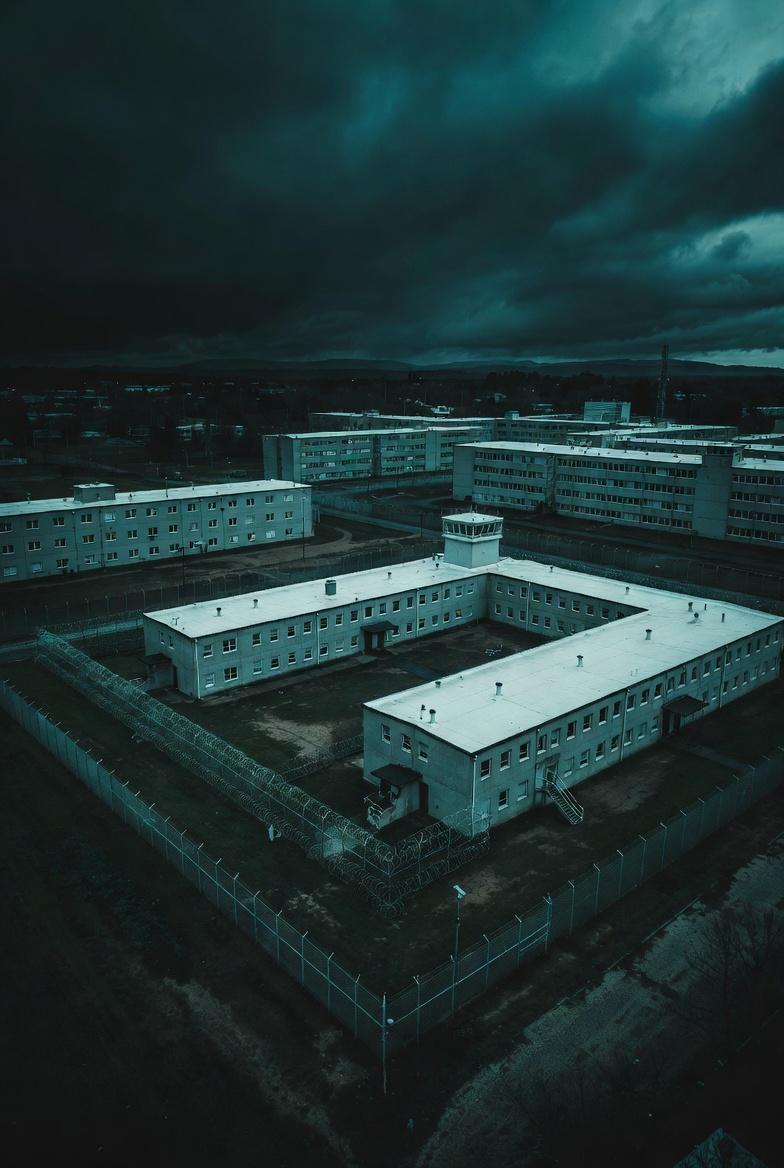
IL DOC - Northern Reception & Classification Center is a medium-security correctional facility located in Crest Hill, Will County County, Illinois. As part of the Illinois Department of Corrections system, this facility serves as both a reception and classification center for male offenders entering the state prison system. The facility's primary function involves processing newly sentenced inmates, conducting comprehensive assessments, and determining appropriate long-term placement within the IDOC network. Located at 16830 South Broadway Street in Crest Hill, the center plays a crucial role in the intake and evaluation process for Illinois state prisoners.
Families of individuals housed at this Crest Hill Illinois correctional facility can perform an IL DOC - Northern Reception & Classification Center inmate search through the Illinois Department of Corrections online database. Relatives can also check IL DOC - Northern Reception & Classification Center visiting hours, send money to inmates for commissary purchases, and search criminal records to verify incarceration status and classification. The facility's location in Will County County provides relatively accessible travel options for families visiting from the greater Joliet and Chicago metropolitan areas.
What distinguishes IL DOC - Northern Reception & Classification Center from other Illinois correctional institutions is its specialized reception and classification mission. Unlike general population prisons, this Crest Hill facility focuses on intake processing for newly sentenced male offenders entering the Illinois Department of Corrections system. During their stay at the center, inmates undergo comprehensive evaluations including medical and mental health screenings, educational assessments, security classification reviews, and programming needs analysis. These assessments determine where within the IDOC system each individual will serve their sentence. The facility's location in Will County County, adjacent to Joliet, positions it strategically for receiving transfers from county jails throughout northern Illinois. This reception center function means the population is constantly transitioning, with inmates typically remaining only weeks or months before transfer to their designated long-term facility based on their classification results.
The inmate population at IL DOC - Northern Reception & Classification Center consists exclusively of adult male offenders who have been newly sentenced to Illinois Department of Corrections custody. Because of its reception and classification function, the population represents a cross-section of offense types including violent crimes, property offenses, drug-related convictions, and other felonies requiring state incarceration. Unlike facilities with established populations, the demographic composition at this medium-security center fluctuates constantly as inmates are processed and transferred to permanent housing assignments. The facility handles individuals across various custody levels during the classification period, though it operates as a medium-security institution. Inmates arrive primarily from Will County County and surrounding jurisdictions after sentencing in circuit courts. The transient nature of the population means inmates spend limited time at the center before receiving their security classification and permanent placement designation within the broader Illinois correctional system.
Living conditions at IL DOC - Northern Reception & Classification Center reflect its medium-security designation and reception center purpose. Housing units typically feature cell-based or dormitory-style accommodation designed for the temporary population undergoing classification processing. Inmates at this Crest Hill facility receive three daily meals prepared according to Illinois Department of Corrections nutritional standards, with accommodations for medical diets and religious dietary requirements. Recreation opportunities include access to outdoor yards during designated periods, though the reception and classification schedule may limit extensive programming participation. Medical care is provided through on-site healthcare staff who conduct intake medical screenings and address urgent health needs, with more specialized treatment coordinated through IDOC medical services. Mental health services are particularly important during the reception period, as staff assess psychological needs and suicide risk factors for newly incarcerated individuals. The facility maintains a formal grievance process allowing inmates to address concerns about conditions, staff interactions, or classification decisions. Because inmates at Northern Reception & Classification Center are typically housed temporarily during processing, conditions emphasize security and assessment rather than long-term programming infrastructure. The medium-security environment balances necessary control measures with humane treatment during what is often a stressful transition period for newly sentenced offenders.
Programs at IL DOC - Northern Reception & Classification Center are primarily oriented toward assessment and classification rather than long-term rehabilitation, given the facility's reception center mission. Educational testing occurs to determine literacy levels and GED eligibility, which informs placement recommendations for permanent facilities offering comprehensive education programs. Substance abuse screening identifies inmates requiring treatment interventions, with detailed assessments guiding placement at institutions with appropriate programming capacity. Mental health evaluations determine psychological treatment needs and inform security classification decisions. While inmates may have limited access to library services and religious programming during their stay in Crest Hill, the brief duration at the reception center typically precludes participation in extensive vocational training or cognitive behavioral programs. The classification process itself serves an important programmatic function by matching inmates from Will County County and throughout Illinois with facilities offering education, work, and treatment opportunities aligned with their assessed needs, sentence length, and security requirements. Re-entry planning may begin during classification through identification of programming goals to be pursued at the inmate's permanent placement facility.
Work assignments at IL DOC - Northern Reception & Classification Center are limited compared to general population facilities due to the transient nature of the reception and classification process. Inmates may be assigned to basic facility maintenance tasks including kitchen duties, laundry operations, institutional cleaning, and grounds maintenance to keep the Crest Hill facility operational. These work assignments serve dual purposes: maintaining facility operations while allowing staff to observe inmate behavior and work habits as part of the classification process. Medium-security designation permits supervised work details under appropriate staffing ratios. Work credit policies follow Illinois Department of Corrections guidelines, though the brief stay at the reception center means inmates accumulate limited credits before transfer to permanent facilities where more extensive work and industry programs exist. Classification staff consider work performance and institutional adjustment when making placement recommendations within the broader IDOC system.
The establishment of IL DOC - Northern Reception & Classification Center in Crest Hill, Illinois reflects the Illinois Department of Corrections' need for specialized intake and assessment facilities to manage the state prison population efficiently. While specific founding dates are not publicly documented, the facility's development aligns with broader correctional reforms emphasizing evidence-based classification systems to match offenders with appropriate security levels and programming resources. The center's location in Will County County, near Joliet with its historic correctional presence, provided logistical advantages for receiving transfers from county jails throughout northern Illinois following sentencing. Over its operational history, the facility has adapted classification protocols to incorporate advances in risk assessment, mental health screening, and programming needs evaluation. The reception and classification function has become increasingly sophisticated, using validated instruments to predict institutional behavior and recidivism risk. Today, IL DOC - Northern Reception & Classification Center continues serving as a critical gateway into the Illinois correctional system, processing male offenders and determining their appropriate placement among the state's diverse facility types based on comprehensive assessment during the initial weeks of incarceration.
IL DOC - Northern Reception & Classification Center visiting hours are subject to Illinois Department of Corrections policies and may be limited due to the facility's reception and classification mission. Families should understand that visiting privileges during the classification period may differ from those at permanent facilities, and inmates may have restricted visitation while undergoing processing. To confirm current IL DOC - Northern Reception & Classification Center visiting hours, families should contact the facility directly or check the IDOC website for updated schedules. Approved visitors must present valid government-issued photo identification and comply with dress code requirements prohibiting revealing clothing, items resembling inmate uniforms, and other restricted attire. The visitor registration process requires advance approval, and families should search public records to confirm current housing status before traveling to Crest Hill. Entry screening includes metal detectors and possible searches, with prohibited items including cell phones, cameras, and cash. Given the temporary nature of placement at this reception center, families should confirm visitation availability and schedules frequently.
To contact an inmate at IL DOC - Northern Reception & Classification Center, families must use the correct IL DOC - Northern Reception & Classification Center mailing address format. Correspondence should be addressed to the inmate's full name and IDOC identification number, followed by IL DOC - Northern Reception & Classification Center, 16830 South Broadway Street, PO Box 112, Joliet, IL 60434. All incoming mail is subject to inspection according to IDOC security protocols. Books and magazines must typically come directly from approved vendors or publishers rather than personal sources. Families can set up prepaid phone accounts to receive calls from inmates, though availability may be limited during the classification period. Some Illinois facilities offer electronic messaging or video visitation services, though families should verify whether such services are accessible at this reception center in Crest Hill. You can also look up arrest records to find booking information and IDOC numbers needed for correspondence. Given the temporary placement at Northern Reception & Classification Center, families should maintain contact to learn of transfers to permanent facilities.
Sponsored and Powered by our Partner TruthFinder
Quick Facts
Should I Be Concerned? — Family Guide
IL DOC - Northern Reception & Classification Center maintains a Medium security level with zero reported staff assaults, indicating a relatively stable facility environment. As a reception and classification center, security protocols are well-established with structured routines. Families visiting should expect thorough security screening and follow all facility rules carefully. Call ahead to confirm current visiting procedures and bring valid government-issued ID.
Neighborhood & Getting There
Crest Hill is located in Will County, Illinois, approximately 30 miles southwest of downtown Chicago, about 45 minutes to 1 hour driving time from the Chicago metropolitan area. The facility sits on Broadway Street in an industrial area with convenient access via I-80 and local highways. Nearby Joliet offers hotels, restaurants, and services for visiting families. The region has good highway infrastructure for out-of-state visitors.