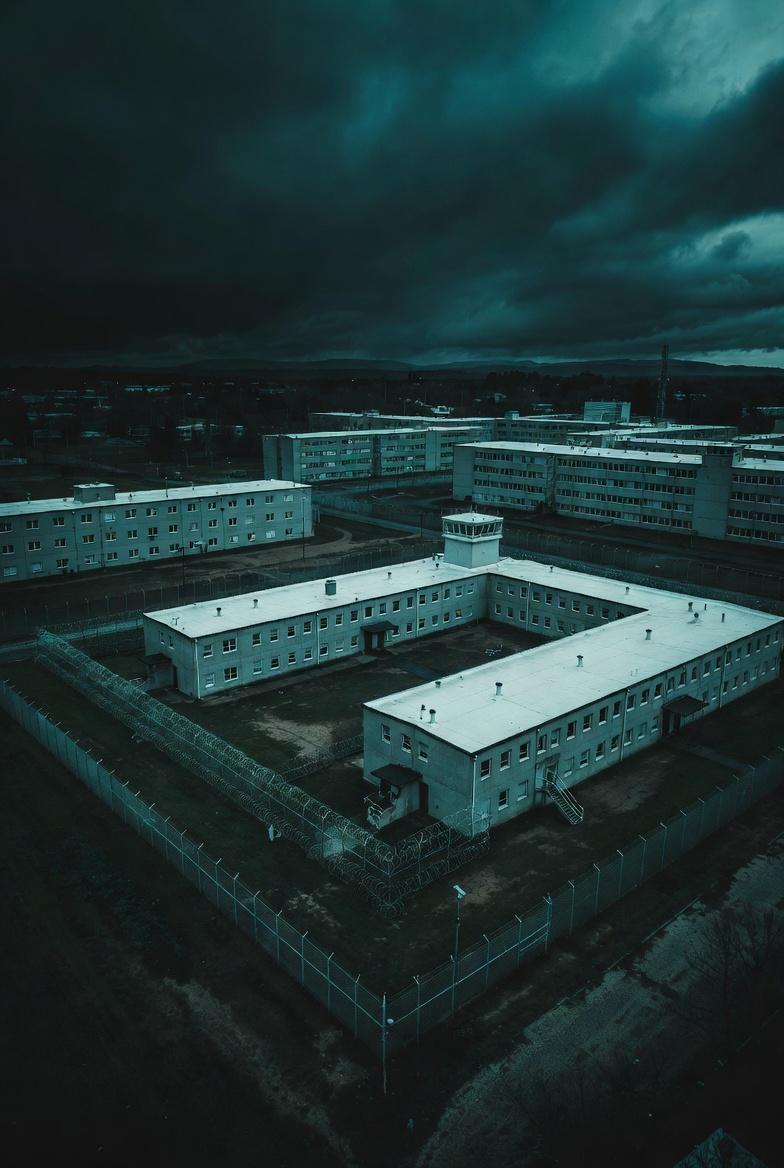
Grand Traverse Band Tribal Police Detention
Police Department Jail | Leelanau County — Michigan
Grand Traverse Band Tribal Police Detention is a medium-security detention facility located in Suttons Bay, Leelanau County County, Michigan. This facility operates under the jurisdiction of tribal law enforcement while coordinating with the Michigan Department of Corrections system. The detention center houses male inmates and serves the Grand Traverse Band of Ottawa and Chippewa Indians community in the Peshawbestown area. As a tribal detention facility, it plays a vital role in maintaining public safety within tribal lands while honoring the sovereignty and cultural practices of the Grand Traverse Band.
Families seeking information about loved ones can perform a Grand Traverse Band Tribal Police Detention inmate search, learn about visiting hours, send money to inmates for commissary purchases, and access Grand Traverse Band Tribal Police Detention arrest records. Located along North West Bay Shore Drive in Suttons Bay, the facility is accessible to families traveling from the greater Leelanau County County region and surrounding Michigan communities. Understanding the procedures for contacting inmates and scheduling visits helps families maintain crucial connections during incarceration.
Grand Traverse Band Tribal Police Detention stands apart as a tribally operated detention facility serving the Grand Traverse Band of Ottawa and Chippewa Indians in northern Michigan. Located in the Peshawbestown community near Suttons Bay, this facility exercises tribal law enforcement authority within reservation boundaries while maintaining cooperative agreements with Leelanau County County and Michigan state agencies. The detention center handles individuals charged with violations of tribal codes and federal offenses occurring on tribal lands, reflecting the unique jurisdictional framework that governs Native American reservations. This Suttons Bay Michigan correctional facility integrates culturally appropriate practices into its operations, recognizing the importance of tribal traditions and community connections in the detention and rehabilitation process, setting it apart from conventional county jails throughout Michigan.
The inmate population at Grand Traverse Band Tribal Police Detention primarily consists of male detainees charged with offenses under tribal jurisdiction, including violations of tribal law, federal crimes committed on reservation lands, and individuals awaiting transfer to other facilities. The facility typically houses both pre-trial detainees awaiting court proceedings in tribal or federal court and sentenced individuals serving shorter custodial terms. Offense types commonly include alcohol-related violations, domestic incidents, property crimes, and violations of tribal codes specific to the Grand Traverse Band community. As a tribal detention facility, the population reflects the demographic characteristics of the Grand Traverse Band membership and individuals subject to tribal jurisdiction. Special attention is given to culturally sensitive classification and supervision, with considerations for traditional practices and community ties. The facility coordinates with tribal social services to address mental health needs and substance abuse issues prevalent in the population it serves.
Living conditions at Grand Traverse Band Tribal Police Detention reflect its medium-security classification and relatively small-scale tribal operation. Detainees are housed in secure cell units designed to maintain safety while providing basic accommodations. The facility offers individual or shared cells depending on classification and population levels, with housing assignments made based on offense severity, behavior, and special needs. Meals are provided daily according to nutritional standards, with efforts made to incorporate culturally appropriate food options when possible. Recreation opportunities are limited but available, allowing detainees supervised time outside their housing units. Medical care is provided through coordination with local healthcare providers and tribal health services, ensuring access to necessary treatment for acute and chronic conditions. Mental health services are available through referral systems connecting detainees with qualified professionals familiar with Native American populations. The facility maintains a grievance process allowing detainees to formally address concerns about conditions, treatment, or policy violations. As a medium-security facility serving a tribal community, Grand Traverse Band Tribal Police Detention balances security requirements with recognition of cultural identity and the goal of eventual community reintegration.
Programs at Grand Traverse Band Tribal Police Detention focus on addressing the specific needs of the tribal community it serves while preparing detainees for successful reintegration. Educational opportunities may include GED preparation and basic literacy instruction for those lacking high school credentials. Substance abuse treatment programs are particularly emphasized given the prevalence of addiction issues affecting many incarcerated individuals, with culturally informed approaches incorporating traditional healing practices where appropriate. Faith-based programming respects both Native American spiritual traditions and other religious practices, providing chaplaincy services and ceremonial opportunities. Cognitive behavioral interventions help detainees develop better decision-making skills and address thinking patterns that contribute to criminal behavior. Re-entry planning connects detainees with tribal social services, employment assistance, and housing resources available through the Grand Traverse Band community. These programs serve the Leelanau County County population by reducing recidivism and supporting successful transitions back to families and the broader tribal community, recognizing that most detainees will return to the Suttons Bay area and surrounding reservation lands.
Work assignments at Grand Traverse Band Tribal Police Detention provide detainees with opportunities to maintain skills, earn privileges, and contribute to facility operations. Typical work details include kitchen duties assisting with meal preparation and cleanup, laundry services maintaining bedding and facility linens, maintenance tasks keeping the building and grounds in proper condition, and general cleaning assignments. Given the facility's medium-security classification and smaller scale compared to larger state correctional institutions, work programs are limited but serve important functions in daily operations. Detainees who demonstrate appropriate behavior and responsibility may be assigned to these positions, which help structure their time and provide a sense of purpose during detention. Work credits may be applied toward sentence reduction or used to determine eligibility for certain privileges within the facility's incentive system.
Grand Traverse Band Tribal Police Detention was established to serve the law enforcement and detention needs of the Grand Traverse Band of Ottawa and Chippewa Indians in the Peshawbestown area of Leelanau County County. The facility emerged from the tribe's exercise of sovereign authority and the development of comprehensive tribal law enforcement capabilities following federal recognition and the expansion of tribal governance structures. As Native American tribes increasingly developed their own police departments and court systems to address public safety concerns within reservation boundaries, the need for dedicated detention facilities became apparent. The Grand Traverse Band Tribal Police Detention provides secure housing for individuals charged with tribal code violations and certain federal offenses occurring on tribal lands, filling a critical gap in the criminal justice infrastructure. Over the years, the facility has adapted to changing legal frameworks governing tribal jurisdiction and has worked to incorporate culturally appropriate practices into detention operations. Today, it continues serving as an essential component of the Grand Traverse Band's comprehensive approach to public safety and justice in Suttons Bay, Michigan.
Families planning to visit loved ones should contact Grand Traverse Band Tribal Police Detention directly to confirm current visiting hours and specific procedures, as schedules may vary based on operational needs and security considerations. Visitors must typically present approved government-issued identification such as a driver's license or state ID card and be prepared to submit to entry screening procedures. The dress code generally prohibits revealing or provocative clothing, items resembling inmate attire, and anything that could pose security concerns. Visitors should expect to have personal belongings inspected and may need to store prohibited items before entering visitation areas. The visitor registration process may require advance approval, particularly for individuals not on the inmate's immediate family list. Scheduling visits in advance is recommended to ensure availability and compliance with any limitations on visitor numbers. Given the facility's location along North West Bay Shore Drive in Suttons Bay, families should allow adequate travel time and confirm Grand Traverse Band Tribal Police Detention visiting hours before making the trip to avoid disappointment.
To contact an inmate at Grand Traverse Band Tribal Police Detention, families must use the correct mailing address format to ensure delivery. Correspondence should be addressed with the inmate's full name and any assigned identification number, followed by Grand Traverse Band Tribal Police Detention, 2605 North West Bay Shore Drive Peshawbestown, MI 49682. All incoming mail is subject to inspection for security purposes, and certain items may be prohibited. Books and magazines typically must be sent directly from approved vendors or publishers rather than from personal sources. Families should inquire about setting up telephone accounts that allow inmates to make calls, as prepaid or collect calling systems are commonly used in detention facilities. Some facilities offer email or video visitation services, though availability at this specific tribal detention center should be confirmed directly. Using the proper Grand Traverse Band Tribal Police Detention mailing address helps ensure timely delivery of letters and approved items to incarcerated individuals.
Sponsored and Powered by our Partner TruthFinder
Quick Facts
Should I Be Concerned? — Family Guide
Grand Traverse Band Tribal Police Detention operates at medium security with zero reported staff assaults, indicating a relatively safe environment. The facility's tribal governance structure emphasizes community accountability and cultural rehabilitation. Families should contact the facility directly before visiting to understand current policies, as tribal facilities may have distinct visiting procedures and requirements compared to state systems.
Neighborhood & Getting There
Grand Traverse Band Tribal Police Detention is located in Peshawbestown near Suttons Bay in Michigan's scenic Leelanau County, approximately 20 miles northwest of Traverse City. The region is known for wine country, beaches along Grand Traverse Bay, and rural tribal lands. Traverse City offers hotels, restaurants, and services 20–30 minutes away via US-31 North. The facility sits in a semi-rural area with limited immediate commercial services; visitors should plan accommodations in Traverse City or nearby communities.