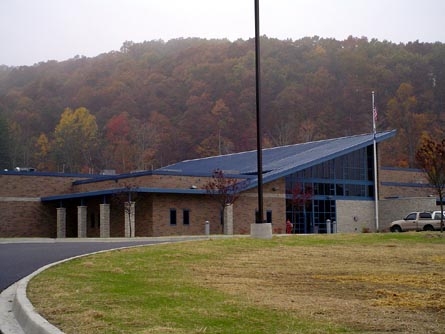
Gene Spadaro Juvenile Center
State Prison | Fayette County County — West Virginia | West Virginia Division of Juvenile Services
Gene Spadaro Juvenile Center is a minimum security juvenile facility located in Mt Hope, Fayette County County, West Virginia. Established in 2004, this facility operates under the West Virginia Department of Corrections with a capacity of 23 beds. The center serves both male and female youth offenders and is currently managed by Director Timothy Meadows. As a specialized juvenile detention center, Gene Spadaro focuses on rehabilitation and education for young people in the West Virginia correctional system, providing structured programming designed specifically for adolescent development and reintegration into society.
Families of juveniles detained at Gene Spadaro Juvenile Center can perform a Gene Spadaro Juvenile Center inmate search through the West Virginia Department of Corrections, schedule visits according to facility protocols, send money to commissary accounts for their loved ones, and access Gene Spadaro Juvenile Center arrest records. The Mt Hope location in Fayette County County provides families throughout southern West Virginia with accessible visitation opportunities when traveling to see detained youth.
Gene Spadaro Juvenile Center stands apart as one of West Virginia's specialized juvenile detention facilities dedicated exclusively to young offenders requiring minimum security housing. With a compact capacity of just 23 beds, the facility provides a more intimate, focused environment compared to larger adult facilities in the state. The center's co-educational structure allows it to serve both male and female juveniles within the same Mt Hope campus, reflecting modern juvenile justice practices that emphasize individualized treatment and age-appropriate programming. Located in the small community of Mt Hope in Fayette County County, the facility maintains close connections with local courts, schools, and community resources, facilitating smoother transitions for youth returning to their neighborhoods throughout southern West Virginia.
The Gene Spadaro Juvenile Center houses a population of young offenders, both male and female, who have been classified as minimum security risks within the West Virginia juvenile justice system. The facility typically serves juveniles awaiting adjudication as well as those serving post-dispositional commitments for various offenses ranging from status offenses to more serious delinquent acts. Given the minimum security classification, residents generally include youth who have demonstrated behavioral stability, do not pose significant flight risks, and are approaching release or reintegration. The center's small capacity of 23 beds allows staff to provide individualized attention to each resident's educational, behavioral, and mental health needs. The population commonly includes first-time offenders and juveniles nearing completion of their commitments who are preparing for community reentry throughout Fayette County County and surrounding West Virginia regions.
Living conditions at Gene Spadaro Juvenile Center reflect its minimum security juvenile classification, emphasizing structured yet developmentally appropriate housing. Residents typically live in dormitory-style units or semi-private rooms rather than traditional cells, creating a less institutional atmosphere conducive to rehabilitation and education. The facility provides three daily meals prepared according to nutritional standards for adolescents, with dining conducted in common areas that promote social skills development. Recreation opportunities include outdoor activities in a supervised yard area and indoor recreation spaces, allowing youth to engage in physical exercise essential for healthy development. Medical care is provided through the West Virginia Department of Corrections health services, with access to routine medical examinations, sick call, and emergency care. Mental health services are particularly emphasized given the developmental needs of juvenile populations, including counseling, crisis intervention, and behavioral health support. The facility maintains a grievance process allowing residents to formally address concerns about their treatment or conditions. The smaller population size at Gene Spadaro enables more personalized attention and closer supervision than larger facilities can provide.
Gene Spadaro Juvenile Center offers comprehensive programming designed specifically for adolescent development and successful community reintegration. Educational services form the core of daily activities, with residents attending on-site classes working toward GED completion or continuing their high school education in coordination with Fayette County County schools. Vocational training opportunities introduce youth to practical skills that can support employment after release. Substance abuse treatment programs address chemical dependency issues common among juvenile offenders, using age-appropriate curricula and counseling methods. Faith-based programming provides spiritual guidance and character development for interested residents. Cognitive behavioral therapy and anger management programs help youth develop emotional regulation skills and address thinking patterns that contributed to delinquent behavior. Life skills training prepares residents for independent living, covering topics like financial literacy, job interviewing, and conflict resolution. Re-entry planning begins early in each resident's stay, connecting youth and families with community resources throughout Fayette County County and across West Virginia to support successful transitions home.
Work assignments at Gene Spadaro Juvenile Center provide juveniles with responsibility, structure, and practical skills while maintaining facility operations. Youth may be assigned to kitchen duties, assisting with meal preparation and cleanup under staff supervision, teaching food service skills and teamwork. Laundry assignments teach residents proper clothing care while managing facility linens and garments. Maintenance and grounds keeping roles allow youth to learn building upkeep skills while maintaining the Mt Hope campus appearance. Given the minimum security classification and juvenile population, work assignments emphasize skill development and responsibility rather than labor production. Participation in work programs may earn residents privileges or positive behavioral credits that can influence their progression through the program and eventual release planning, encouraging accountability and work ethic development valuable for future employment in Fayette County County communities.
Gene Spadaro Juvenile Center was established in 2004 to address West Virginia's need for specialized juvenile detention facilities in the southern part of the state. Located in Mt Hope, Fayette County County, the facility was developed during a period when West Virginia was reforming its juvenile justice system to emphasize rehabilitation over punishment for young offenders. The center was named to honor an individual's contributions to juvenile justice or community service in the region. Since opening, the 23-bed facility has served as a minimum security option for youth who require secure detention but demonstrate lower risk profiles, filling a specific niche in the state's juvenile corrections continuum. Over nearly two decades of operation, Gene Spadaro Juvenile Center has adapted its programming to reflect evolving best practices in adolescent development, trauma-informed care, and evidence-based interventions. Today, the facility continues its mission of providing secure, rehabilitative services to young offenders from throughout West Virginia while maintaining strong connections to Fayette County County community resources.
Visiting hours at Gene Spadaro Juvenile Center are structured to maintain security while supporting family connections crucial to juvenile rehabilitation. Families should contact the facility directly to confirm current Gene Spadaro Juvenile Center visiting hours, as schedules may vary and visitors must typically appear on an approved visitor list established for each resident. The visitor registration process requires submission of information for background screening before approval. During visits to the Mt Hope facility, approved visitors must present valid government-issued identification such as a driver's license or state ID. Dress code restrictions prohibit revealing clothing, gang-related apparel, and items that resemble institutional clothing to maintain facility security. Upon arrival at 106 Martin Drive in Mt Hope, visitors should expect entry screening procedures including metal detection and possible searches of personal belongings. Given the juvenile nature of the facility, visits are designed to be family-friendly while maintaining appropriate supervision and boundaries.
Families wishing to contact a juvenile at Gene Spadaro Juvenile Center should use the proper Gene Spadaro Juvenile Center mailing address format to ensure delivery. Mail should be addressed with the resident's full name and identification number, followed by Gene Spadaro Juvenile Center, 106 Martin Drive, Mt Hope, WV 25880. All incoming mail is subject to inspection for security purposes, and certain items may be prohibited. Books and magazines typically must be sent directly from approved vendors or publishers rather than from individuals. Families may be able to establish prepaid phone accounts allowing residents to make outgoing calls at scheduled times, though policies vary. Some West Virginia juvenile facilities offer email or video visitation services to supplement in-person contact, and families should inquire whether these technologies are available at the Mt Hope facility to maintain regular communication with detained youth in Fayette County County.
Sponsored and Powered by our Partner TruthFinder
Quick Facts
Should I Be Concerned? — Family Guide
Gene Spadaro Juvenile Center maintains a strong safety record with zero staff assaults reported and operates at Minimum security level, indicating a low-risk environment. As a juvenile facility with capacity of only 23, the small population size allows for individualized attention and supervision. When visiting, bring valid ID, dress conservatively, and call ahead to confirm current visiting schedules and any facility-specific restrictions.
Neighborhood & Getting There
Gene Spadaro Juvenile Center is located in Mt. Hope, West Virginia, a small town in Fayette County approximately 60 miles south of Charleston, the state capital. The area is situated in the Appalachian region with limited immediate commercial development. Visitors traveling from Charleston or nearby Beckley should expect 60-90 minute drive times. Basic lodging and fuel services are available along US Route 19, the primary highway corridor through the region.