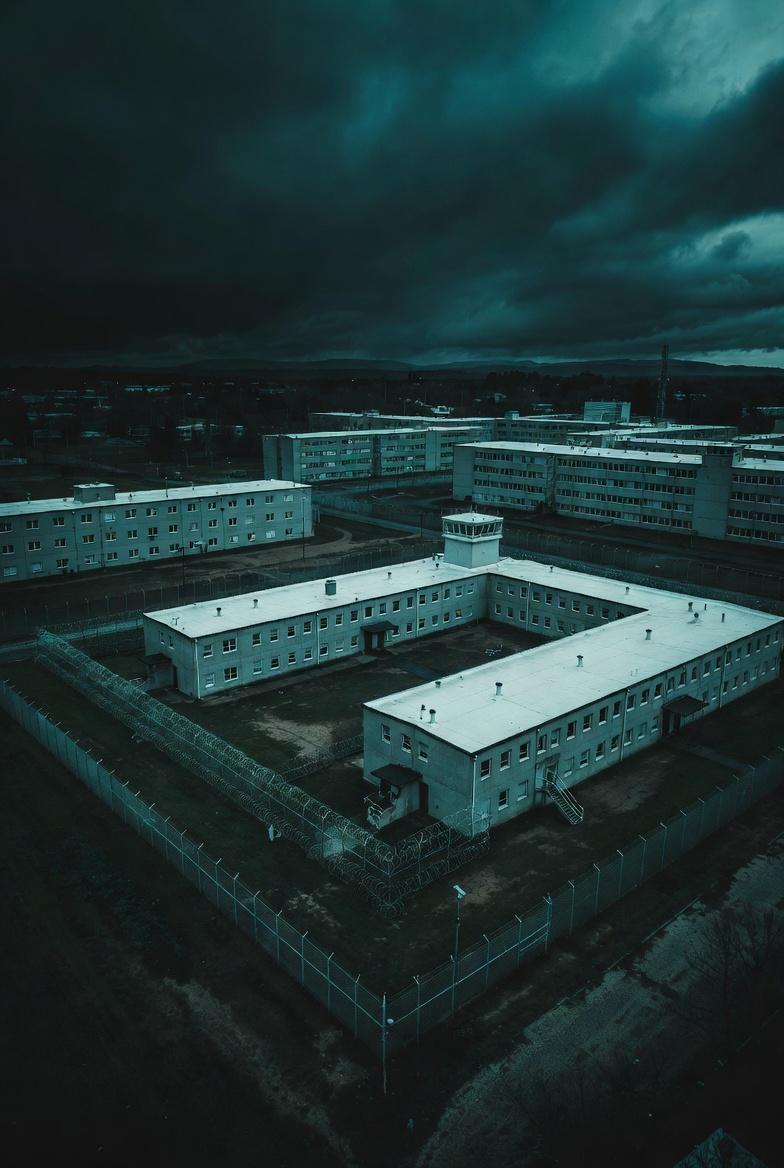
The FCI Terre Haute Satellite Prison Camp is a minimum security federal facility located at 2501 West Bureau Road in Terre Haute, Vigo County, Indiana. Despite being listed under the Indiana Department of Corrections system in available records, this facility operates as a satellite camp adjacent to the main Federal Correctional Institution Terre Haute complex. The camp houses male inmates who have demonstrated low security risk and meet federal minimum security classification criteria.
Families seeking information about inmates can search arrest records and inmate rosters through official channels. The facility accepts mail at PO Box 33, Terre Haute, IN 47808. Visitors should familiarize themselves with visitation policies, approved methods to send money, and communication guidelines before attempting contact with incarcerated individuals at this location.
The FCI Terre Haute Satellite Prison Camp operates as a minimum security annex to the larger Federal Correctional Complex in Terre Haute, which includes higher security facilities on the same grounds. This satellite camp model allows inmates nearing release or with minimal security concerns to serve their sentences in a less restrictive environment while still maintaining federal custody. The camp's proximity to the main FCI enables shared resources and administrative oversight while providing qualifying inmates with more freedom of movement and access to community-oriented programs that facilitate successful reintegration into society.
The satellite camp houses federal male inmates classified as minimum security risks based on factors including sentence length, criminal history, time remaining on sentence, and demonstrated behavior. The population typically consists of non-violent offenders convicted of white-collar crimes, drug possession charges, and other federal offenses that don't involve weapons or violent conduct. Inmates at minimum security camps are generally within a few years of their projected release dates. The camp does not house pre-trial detainees, as those individuals remain in higher security facilities or county jails awaiting court proceedings. All inmates have been sentenced and are serving federal time under Bureau of Prisons custody.
Minimum security camp inmates typically reside in dormitory-style housing units rather than traditional cells, reflecting the reduced security level of the facility. Living quarters feature bunk beds in open bay arrangements with shared bathroom facilities. Inmates receive three meals daily in a communal dining hall, with menus meeting federal nutritional standards. Recreation opportunities include outdoor activities, sports facilities, and common areas for socializing during designated hours. Medical services are provided through the main FCI Terre Haute complex, with routine healthcare available and emergency services accessible when needed. Mental health professionals offer counseling and psychiatric services for inmates requiring behavioral health support. The facility maintains a formal grievance process allowing inmates to address concerns about conditions, staff conduct, or policy disputes through administrative remedies. The camp environment emphasizes personal responsibility and prepares inmates for eventual community reentry.
The satellite camp offers educational programs including GED preparation and testing for inmates without high school diplomas, along with adult continuing education courses to improve literacy and basic skills. Vocational training opportunities prepare inmates for employment after release in various trades and occupations. Substance abuse treatment programs address addiction issues through counseling, group therapy, and evidence-based recovery curricula. Religious services and faith-based programming accommodate multiple denominations with volunteer chaplains and community religious leaders. Reentry preparation programs focus on job readiness, life skills, financial literacy, and transition planning to reduce recidivism. Inmates participate in work assignments that develop employment skills while maintaining facility operations and supporting institutional needs.
Inmates at the satellite camp participate in various work assignments that maintain facility operations and develop marketable job skills. Inside work details include food service, grounds maintenance, building maintenance, janitorial services, and administrative support positions. Some minimum security inmates may qualify for outside work assignments in the surrounding community through supervised details. The camp environment emphasizes the development of work ethic and responsibility. Federal Prison Industries may provide additional employment opportunities depending on the specific programs operating at the Terre Haute complex. Work assignments prepare inmates for successful employment after release.
The FCI Terre Haute Satellite Prison Camp was established as a minimum security annex to support the larger Federal Correctional Complex in Terre Haute, which has operated since the 1940s. The satellite camp model emerged within the federal prison system to provide appropriate housing for lower-risk inmates while maximizing the use of existing infrastructure at larger facilities. The Terre Haute complex has undergone various expansions and modifications over the decades to address changing correctional needs. The camp continues to serve its current role of housing minimum security male federal inmates in Vigo County. While specific construction dates and expansion details for the satellite camp are not widely documented in public records, the facility remains an integral component of federal corrections in Indiana.
Visitors to the FCI Terre Haute Satellite Prison Camp must obtain prior approval through the inmate's visitor list application process. All visitors must present valid government-issued photo identification upon arrival. Dress codes are strictly enforced, prohibiting revealing clothing, items resembling inmate uniforms, and attire deemed inappropriate for a correctional setting. Visitation scheduling procedures and designated visiting hours vary, so families should contact the facility well in advance to confirm current policies and procedures. Visitors may be subject to search procedures. The approval process can take several weeks, so families should submit applications early. Contact the facility directly to verify current visitation rules, schedules, and any restrictions before planning a visit.
To send mail to an inmate at the satellite camp, address correspondence with the inmate's full legal name, register number, and the facility mailing address: PO Box 33, Terre Haute, IN 47808. All incoming mail is subject to inspection. Books and publications must be shipped directly from approved vendors or publishers, not from individuals. Inmates can receive phone privileges through approved inmate telephone accounts, which families fund through designated providers. Phone calls are monitored and recorded. Some federal facilities offer electronic messaging systems, though availability varies by institution. Families should verify current communication options and procedures with facility staff before attempting contact.
Sponsored and Powered by our Partner TruthFinder
Quick Facts
Should I Be Concerned? — Family Guide
FCI - Terre Haute Satellite Prison Camp - Minimum maintains a medium security level with zero reported staff assaults, indicating a relatively stable facility environment. The satellite camp designation typically houses lower-custody inmates engaged in work programs. Visiting a medium-security facility requires standard security screening; plan to arrive early, bring valid ID, and follow all facility regulations for a smooth visit experience.
Neighborhood & Getting There
Located in Terre Haute, Indiana, in Vigo County, this facility sits in west-central Indiana approximately 70 miles west of Indianapolis and 90 miles south of Chicago. The area is accessible via US Highway 41 and Interstate 70. Terre Haute offers basic lodging options including budget hotels near the highway corridor. The region features typical Midwestern industrial and agricultural landscapes with reasonable driving access from major metropolitan areas for family visits.