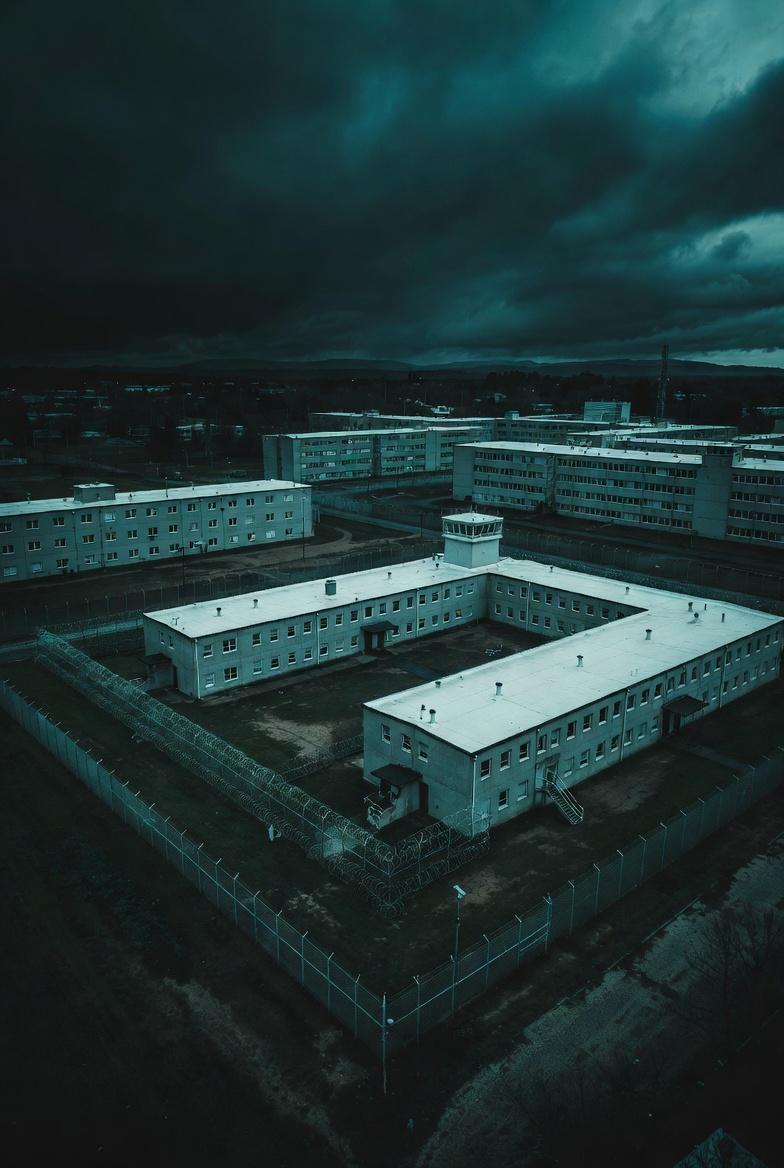
Duval County TX Juvenile Detention is located at 4998 South FM 1329 in San Diego, Texas, approximately 60 miles west of Corpus Christi in rural Duval County. Operating as a medium-security facility, this detention center houses male juvenile offenders under the Texas Department of Corrections system. The facility serves the juvenile justice needs of Duval County and surrounding South Texas communities, providing secure housing for youth awaiting court proceedings or serving sentences.
Families seeking information about detained juveniles can conduct inmate searches through the facility or county records. Loved ones can send money for commissary accounts, schedule visits according to facility guidelines, and access arrest records through appropriate county channels to stay informed about their family member's status and case proceedings.
Duval County TX Juvenile Detention serves one of the most sparsely populated counties in South Texas, where Duval County's entire population numbers fewer than 12,000 residents. This rural setting distinguishes the facility from urban juvenile detention centers, as staff often work with youth from ranching and agricultural communities along the Texas-Mexico border region. The facility's location in San Diego, the county seat, positions it within a predominantly Hispanic community with unique cultural considerations that influence programming and family engagement approaches. The detention center must balance security requirements with the particular challenges of serving a small, tight-knit community where staff and families often have generational connections.
The facility houses male juvenile offenders ranging from pre-adjudication detainees awaiting court hearings to adjudicated youth serving determinate or indeterminate sentences. Given Duval County's small population base, the inmate count fluctuates considerably, with many youth facing charges related to property crimes, substance offenses, and family violence incidents common in rural Texas communities. The population occasionally includes youth transferred from neighboring counties when local facilities reach capacity. Classification processes account for age separation, offense severity, and behavioral history to maintain safety. Special attention addresses the needs of Spanish-speaking youth and those from migrant or agricultural worker families who may have limited educational backgrounds or family support systems due to work-related displacement.
Youth at Duval County TX Juvenile Detention reside in dormitory-style or cell-based housing units designed to provide secure supervision while maintaining age-appropriate environments. Daily schedules include structured meal times with nutrition standards meeting Texas juvenile detention requirements. Recreational opportunities typically include outdoor exercise periods in secure yards and indoor activities, though options may be more limited than in larger urban facilities due to resource constraints. Medical services address routine healthcare needs, with serious conditions requiring transport to regional medical facilities. Mental health services provide counseling and crisis intervention, particularly important given the trauma backgrounds common among detained youth. Detained juveniles have access to grievance procedures allowing them to report concerns about conditions, treatment, or safety issues to facility administration and oversight authorities. Educational programming continues during detention to comply with state education requirements for school-age youth.
Educational programming forms the core of services at Duval County TX Juvenile Detention, with detained youth receiving instruction aligned with Texas Education Agency standards regardless of detention length. Teachers provide individualized instruction addressing varied academic levels, from basic literacy to high school coursework and GED preparation for older youth. Vocational exposure may include basic job readiness skills, though comprehensive vocational training programs typically require longer-term placement facilities. Substance abuse education addresses the drug and alcohol issues affecting many detained youth, incorporating prevention and intervention components. Religious services and volunteer faith-based mentoring programs connect youth with spiritual support. Re-entry planning assistance helps youth and families prepare for return to the community, coordinating with probation officers, schools, and social service agencies to establish support networks before release.
Work assignments within Duval County TX Juvenile Detention focus primarily on facility maintenance and daily operations rather than commercial production. Detained youth may participate in janitorial duties, kitchen assistance under staff supervision, laundry operations, and general facility upkeep as part of responsibility-building programming. These inside job assignments teach basic work habits, accountability, and vocational skills applicable to future employment. Given the facility's juvenile focus and medium-security classification, outside work details and prison industry programs typical of adult facilities are generally not utilized. Work participation often connects to behavioral incentive systems, where responsible performance earns privileges and demonstrates readiness for reduced supervision levels.
Duval County TX Juvenile Detention was established to address the juvenile justice needs of one of South Texas's historic ranching counties, though specific founding dates remain undocumented in available records. Duval County itself gained notoriety in Texas political history during the mid-20th century, and the juvenile detention system developed as part of broader county justice infrastructure serving this border region community. The facility's location on FM 1329 south of San Diego reflects the rural character of county government operations. Over the decades, the detention center has adapted to changing juvenile justice philosophies, shifting from purely punitive approaches toward rehabilitation-focused models emphasizing education and family engagement. The facility continues serving as Duval County's primary secure detention option for youth, coordinating with regional juvenile justice systems and state oversight authorities to maintain standards while addressing the unique needs of South Texas communities.
Visitation at Duval County TX Juvenile Detention allows approved family members and guardians to maintain contact with detained youth according to scheduled visitation times. Visitors must present valid government-issued photo identification and typically undergo approval processes before initial visits. Dress code requirements prohibit clothing resembling inmate attire, excessively revealing garments, or items with offensive imagery, with staff enforcing standards to maintain facility security and appropriate environments for youth. Scheduling procedures vary, and families should contact the facility directly before traveling to confirm current visitation days, hours, and any COVID-19 or emergency-related restrictions. Visits occur in supervised settings with rules governing physical contact and acceptable conversation topics. Given the rural location and potential for policy changes, calling ahead prevents wasted trips and ensures compliance with current requirements.
Families can contact detained youth at Duval County TX Juvenile Detention by sending mail to the juvenile's full name at 4998 South FM 1329 PO Drawer 989, San Diego, TX 78384. Including any assigned identification number helps ensure proper delivery. Incoming mail typically undergoes inspection for contraband and prohibited items. Book shipments usually require approved vendors who send directly to the facility rather than personal packages. Phone access allows detained youth to make collect calls or use prepaid phone accounts established by families, with specific telecommunication provider systems varying by facility contract. Families should contact the detention center directly to learn current phone account setup procedures and approved calling schedules. Electronic messaging systems may be available depending on facility technology contracts and youth behavior levels.
Sponsored and Powered by our Partner TruthFinder
Quick Facts
Should I Be Concerned? — Family Guide
Duval County TX Juvenile Detention operates as a medium-security facility with no reported staff assaults, indicating a relatively stable safety environment. The facility maintains standard security protocols appropriate for juvenile detainees. When visiting, expect standard security procedures including identification verification and possible screening. Contact the facility in advance to confirm visiting policies and any specific requirements for your visit.
Neighborhood & Getting There
Duval County TX Juvenile Detention is located in San Diego, Texas, in the South Texas region approximately 140 miles south of Corpus Christi and 200 miles south of San Antonio. The facility sits in rural Duval County with limited immediate urban amenities. The nearest significant services are in Corpus Christi, roughly 2.5 hours north via US-77. Visitors should plan for extended travel times and consider lodging in larger nearby cities for convenience.