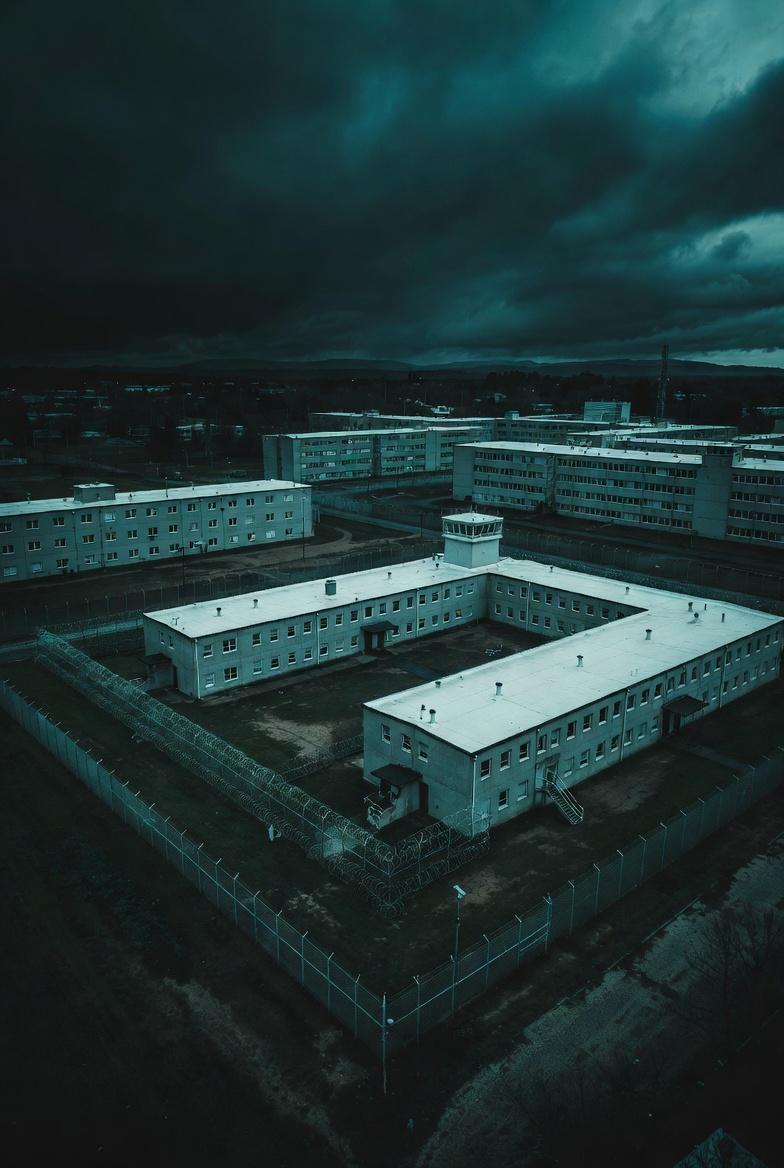
Durham County NC Detention Facility operates as a medium-security detention center located at 219 South Magnum Street in Downtown Durham, North Carolina. This facility functions under the North Carolina Department of Corrections system and exclusively houses male inmates. Situated in the heart of Durham's downtown district, the detention center serves Durham County's law enforcement and judicial needs, managing inmates awaiting trial, sentencing, and those serving county-level sentences.
Families seeking information about incarcerated loved ones can conduct inmate searches through county systems, arrange visitation schedules, and set up approved methods to send money. The facility maintains arrest records and booking information accessible to the public, helping families stay connected with inmates throughout their detention period.
Durham County NC Detention Facility holds a distinctive position within North Carolina's correctional landscape due to its central Downtown Durham location on South Magnum Street. Unlike many detention facilities positioned in remote or industrial areas, this jail operates in the urban core, providing convenient access for families, attorneys, and court proceedings. The facility's integration with Durham County's justice complex allows for efficient inmate transport to nearby courthouses and streamlined processing. Durham County's progressive approach to criminal justice reform has influenced operations at this facility, with emphasis on reducing pre-trial detention periods and implementing alternative sentencing programs where appropriate for the medium-security male population it serves.
The Durham County NC Detention Facility houses a predominantly pre-trial male population awaiting court proceedings in Durham County's judicial system. The medium-security classification reflects the facility's capacity to manage inmates charged with various offenses ranging from misdemeanors to felonies, excluding the most violent or high-risk individuals who require maximum-security placement. The population includes both pre-trial detainees presumed innocent until proven guilty and sentenced inmates serving county-level sentences typically under two years. Durham County's demographic diversity is reflected in the inmate population, which includes individuals from various socioeconomic backgrounds. The facility also accommodates special populations requiring specific attention, including inmates with medical needs and those requiring protective custody arrangements based on case circumstances or safety considerations.
Durham County NC Detention Facility provides housing in various configurations based on classification levels and behavioral status. Inmates typically reside in pod-style housing units with individual cells or dormitory arrangements depending on their security classification and the facility's current capacity. Meals are served three times daily, meeting North Carolina nutritional standards for detention facilities. Recreation opportunities include scheduled outdoor yard time and indoor common areas, though availability depends on security protocols and facility operations.
Medical services address routine healthcare needs, chronic condition management, and emergency situations through on-site nursing staff and contracted physicians. Mental health services provide assessment and treatment for inmates experiencing psychological distress or diagnosed conditions. The facility operates a formal grievance process allowing inmates to report concerns about living conditions, staff interactions, or facility operations through written submissions reviewed by administrative personnel. County oversight and state regulations govern standards for sanitation, temperature control, and basic accommodation requirements throughout the detention center.
Durham County NC Detention Facility offers educational programming designed for the shorter-term detention population, including GED preparation classes for inmates lacking high school credentials. Educational opportunities focus on flexible formats accommodating the transient nature of jail populations with frequent releases and transfers. Substance abuse programming addresses addiction issues prevalent among incarcerated populations, providing group sessions and individual counseling for those struggling with drug and alcohol dependency. Religious services accommodate various faith traditions through volunteer chaplains and visiting clergy who conduct weekly services and provide spiritual counseling. Re-entry planning assists inmates preparing for release, connecting them with community resources, housing assistance, and employment preparation. The programs available reflect the reality of county-level detention, where inmates may remain for weeks or months rather than years, requiring adaptable programming that delivers value during shorter timeframes typical of pre-trial detention and county sentences.
Work assignments at Durham County NC Detention Facility provide structure and reduce idleness while maintaining facility operations. Inside job assignments include kitchen duties where inmates assist with meal preparation and cleanup under staff supervision, janitorial work maintaining cleanliness throughout housing units and common areas, and laundry operations processing institutional linens and inmate clothing. Trustee positions may be available for inmates demonstrating appropriate behavior and lower security classifications, allowing additional responsibilities within the facility. Work assignments serve multiple purposes including reducing operational costs, teaching work habits, and providing productive activity during detention. Participation in work programs may influence good behavior considerations, though availability depends on security classification, pending charges, and administrative approval.
The Durham County NC Detention Facility has served Durham County's law enforcement and judicial system from its location at 219 South Magnum Street in Downtown Durham, though specific founding dates and original construction details are not publicly documented in available records. The facility's downtown location reflects historical patterns of placing detention centers near courthouses and government buildings for operational efficiency. Over the years, Durham County has addressed changing incarceration needs through facility modifications and operational adjustments responding to population fluctuations and evolving correctional standards. The facility has operated within North Carolina's broader criminal justice framework during periods of significant reform discussions regarding pre-trial detention, bail practices, and alternatives to incarceration. Today, the detention center continues its role as Durham County's primary medium-security male detention facility, balancing public safety requirements with constitutional obligations to provide humane conditions for those awaiting trial or serving county-level sentences.
Visitation at Durham County NC Detention Facility requires advance planning and adherence to specific regulations. Visitors must bring valid government-issued photo identification such as a driver's license, state ID, or passport for verification. The facility enforces dress code requirements prohibiting revealing clothing, items resembling inmate uniforms, and attire deemed inappropriate for a secure environment. Potential visitors should expect to complete an approval process before their first visit, which may include background checks and relationship verification. Scheduling procedures vary, and families should contact the facility directly to confirm current visitation days, hours, and any special requirements. All visitors undergo security screening including metal detectors and possible searches. Families traveling from distant locations should call ahead to verify visitation status and confirm their loved one remains housed at this facility before making the trip to Downtown Durham.
Mailing correspondence to inmates at Durham County NC Detention Facility requires proper addressing including the inmate's full legal name, booking number or inmate identification number, followed by the facility address at 219 South Magnum Street, Durham, NC 27701. All incoming mail undergoes inspection for security purposes, and facilities typically reject items violating mail policies. Books and magazines must generally come directly from approved vendors or publishers rather than personal senders to prevent contraband introduction. Inmates can typically make phone calls through approved phone account systems requiring families to establish prepaid accounts or accept collect calls. Rates for jail phone services vary based on provider contracts. Families should inquire about any available electronic messaging systems that some detention facilities implement, though availability varies across North Carolina county facilities.
Sponsored and Powered by our Partner TruthFinder
Quick Facts
Should I Be Concerned? — Family Guide
Durham County NC Detention Facility maintains a medium security environment with zero reported staff assaults, indicating a relatively stable operational record. While exact occupancy data is unavailable, the facility's medium classification suggests manageable population levels and standard safety measures. When visiting, expect standard security screening procedures including ID verification, metal detection, and bag checks at the 219 South Magnum Street entrance.
Neighborhood & Getting There
Located in downtown Durham, North Carolina—the heart of the Research Triangle region—Durham County Detention Facility sits approximately 25 miles from Raleigh and 30 miles from Chapel Hill. The facility's downtown location provides convenient access to the Durham County Courthouse and legal district. Major hotels and highway access via I-85 are within 2-3 miles. Durham's urban infrastructure offers restaurants, services, and visitor accommodations for families traveling from across North Carolina or neighboring states.