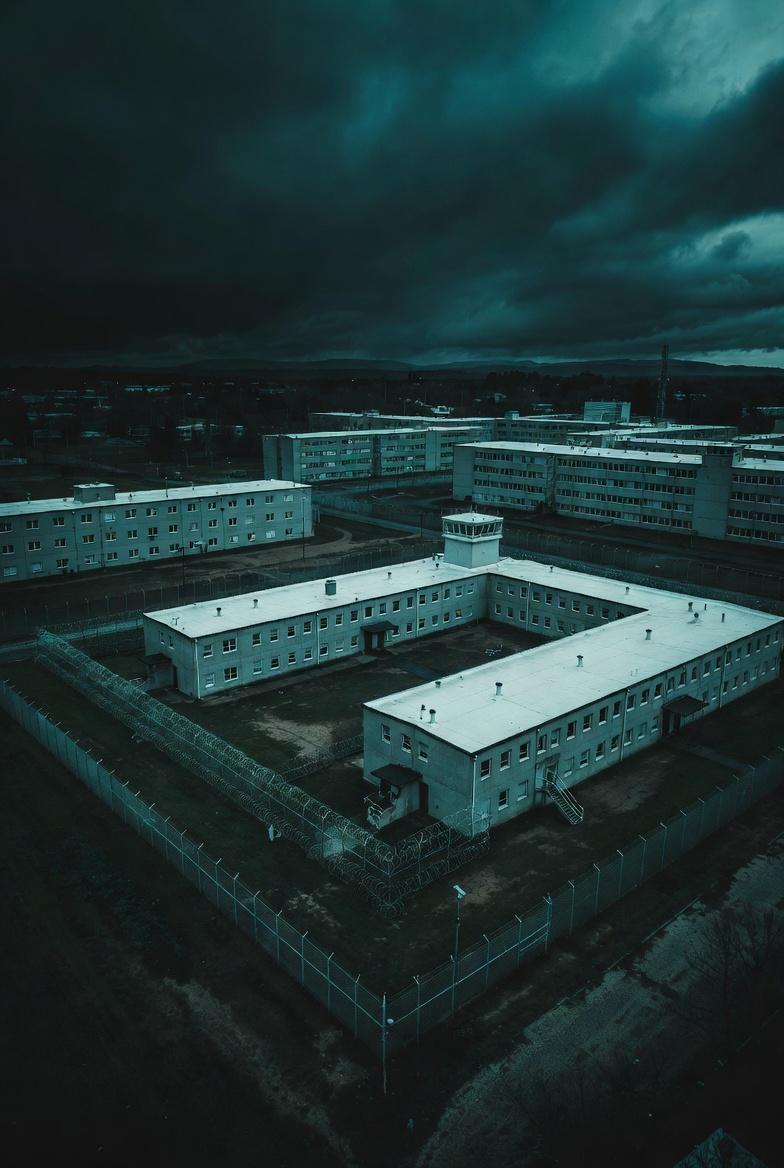
The Douglas County OR Juvenile Detention Center is located at 215 Southeast Jackson in Roseburg, Oregon, serving Douglas County and surrounding areas in the southwestern part of the state. Operating as part of the Oregon juvenile justice system, this medium-security facility provides secure custody and supervision for male youth offenders. The center focuses on rehabilitation and behavioral modification for juveniles awaiting court proceedings or serving court-ordered detention time.
Families seeking information about detained juveniles can access arrest records and housing status through Douglas County's juvenile department. The facility accepts mail and provides limited visitation opportunities for approved family members. Due to the sensitive nature of juvenile detention and privacy protections for minors, families should contact the facility directly for specific information regarding their detained youth.
The Douglas County OR Juvenile Detention Center serves a primarily rural region of southwestern Oregon, addressing the unique challenges of juvenile justice in communities spread across timber country and the Umpqua Valley. Unlike urban detention centers, this facility often handles youth from smaller towns and isolated areas where access to mental health services and family support systems can be limited. The center's role extends beyond secure custody to bridging gaps in social services for at-risk youth from Douglas County's diverse communities, including those affected by the region's economic transitions from timber-dependent industries to more diversified economies.
The Douglas County OR Juvenile Detention Center houses male youth offenders ranging from pre-teens to older adolescents, typically under age eighteen. The population includes juveniles detained pre-adjudication while awaiting court hearings and those serving post-adjudication sentences ordered by the juvenile court. Offenses range from status offenses and misdemeanors to serious felonies including property crimes, assault, drug-related charges, and probation violations. The facility also temporarily houses youth transferred from other jurisdictions or awaiting placement in specialized treatment programs. Due to federal and state privacy laws protecting juvenile records, specific population numbers and individual case details are not publicly disclosed, distinguishing juvenile facilities from adult corrections systems that maintain more transparent inmate databases.
Youth at the Douglas County OR Juvenile Detention Center are housed in secure dormitory-style or cell-based units designed with age-appropriate supervision and safety protocols. Detained juveniles receive three meals daily prepared to meet nutritional standards for growing adolescents, with accommodations for dietary restrictions and medical needs. Daily schedules include structured recreation time, typically in secure indoor or outdoor areas, allowing for physical activity essential to youth development. Medical services address routine healthcare needs, medication management, and emergency treatment, while mental health services provide counseling and crisis intervention for youth experiencing trauma, depression, or behavioral challenges common in detention settings. The facility maintains clear disciplinary procedures and a grievance process allowing detained youth to report concerns about conditions, staff interactions, or safety issues. Educational services continue during detention to minimize disruption to academic progress, though programming varies based on length of stay and individual case circumstances.
Educational programming at the Douglas County OR Juvenile Detention Center ensures that detained youth continue their academic studies during confinement, with instruction tailored to individual grade levels and learning needs. The facility coordinates with local school districts to provide curriculum alignment and credit recovery opportunities. Behavioral modification programs address anger management, conflict resolution, and decision-making skills that contributed to delinquent behavior. Substance abuse education and counseling are available for youth with drug or alcohol involvement, recognizing the prevalence of substance issues among juvenile offenders. Religious services and spiritual counseling are provided upon request, respecting diverse faith backgrounds. Re-entry planning begins early in detention, connecting youth and families with community resources, probation services, and transitional supports to reduce recidivism and promote successful reintegration into family and school environments.
Unlike adult correctional facilities, juvenile detention centers in Oregon do not operate traditional work programs or prison industries. The Douglas County OR Juvenile Detention Center may assign age-appropriate responsibilities to detained youth as part of daily living and behavioral development. These assignments can include dormitory maintenance, meal service assistance, and facility cleaning tasks that teach responsibility and work habits. Such activities are designed to be educational rather than punitive, helping youth develop structure and accountability. Any work assignments are limited in scope and duration, always secondary to educational programming, counseling, and rehabilitation activities that remain the primary focus of juvenile detention.
The Douglas County OR Juvenile Detention Center was established to provide local secure custody for youth offenders in Douglas County, eliminating the need to transport juveniles to distant facilities and maintaining family connections during detention. The facility developed in response to Oregon's evolving juvenile justice philosophy emphasizing rehabilitation and community-based interventions rather than purely punitive approaches. Located in Roseburg, the county seat and largest city in Douglas County, the center serves a geographically large area encompassing both the Interstate 5 corridor and remote mountain communities. Over the years, the facility has adapted to changing standards for juvenile detention, including enhanced mental health services, trauma-informed care practices, and evidence-based programming. Today the center continues its role as a critical component of Douglas County's juvenile justice system, balancing public safety with youth rehabilitation in southwestern Oregon.
Visitation at the Douglas County OR Juvenile Detention Center is restricted and requires advance approval due to the sensitive nature of juvenile detention and protection of minors. Parents and legal guardians typically receive priority visitation access, while other family members and friends must be approved through a formal process. Visitors must present valid government-issued photo identification and adhere to strict dress codes prohibiting revealing clothing, gang colors, or items that could compromise facility security. Visitation schedules are limited and may vary based on the detained youth's status and behavioral compliance. Contact visits may be restricted, with visits conducted through glass partitions or in supervised common areas. Families should call the facility well in advance to understand specific visitation rules, scheduling procedures, and any restrictions that apply to their particular situation.
Mail sent to youth detained at the Douglas County OR Juvenile Detention Center should include the juvenile's full legal name and the facility address at 215 Southeast Jackson, Roseburg, OR 97470. Due to privacy protections for juveniles, booking numbers or inmate identification numbers may not be publicly available, so accurate name spelling is essential. All incoming mail is inspected for contraband and prohibited items before delivery. Families wishing to send books or educational materials should verify approved vendor policies with facility staff, as restrictions on direct shipments may apply. Phone communication is typically limited, with calls made collect or through prepaid phone accounts established by families. Some juvenile facilities offer video visitation or electronic messaging, though availability varies. Families should contact the facility directly to learn about specific communication options and restrictions for their detained youth.
Sponsored and Powered by our Partner TruthFinder
Quick Facts
Should I Be Concerned? — Family Guide
Douglas County OR Juvenile Detention Center maintains a Medium security level with zero reported staff assaults, indicating a relatively safe environment for visitors. As a juvenile facility, it operates under stricter protocols than adult detention centers. When visiting, expect standard security screening procedures, dress codes, and supervised visitation areas to ensure safety for all visitors and residents.
Neighborhood & Getting There
Roseburg is located in Douglas County in southern Oregon, approximately 180 miles south of Portland. The facility sits in downtown Roseburg near the county courthouse complex. The area offers standard highway access via I-5, with basic lodging and services available nearby. Roseburg serves as the regional hub for Douglas County, with medical facilities and support services accessible to families visiting detained juveniles.