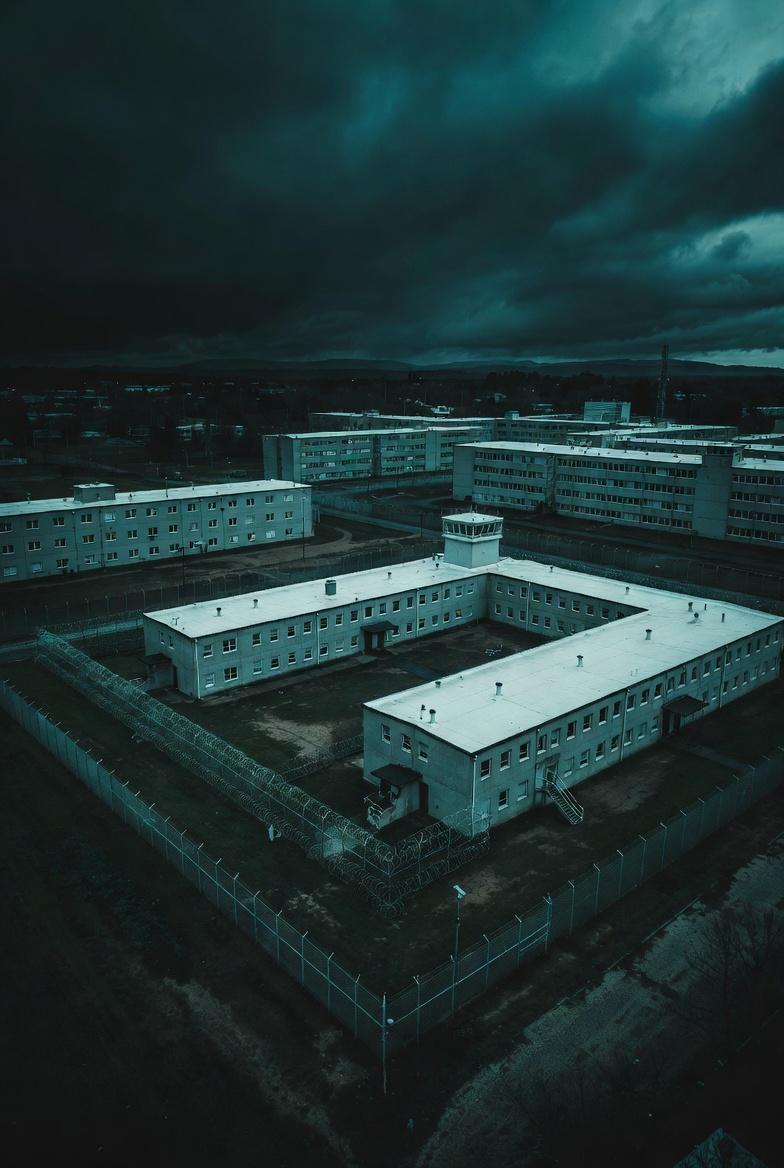
Denver County Fillmore Juvenile Detention is located at 1508 Fillmore Street in Central Denver, Colorado. Operating under the Colorado Department of Corrections, this medium security facility houses male juvenile offenders. The facility sits in a central Denver neighborhood, providing detention services for youth involved in the Denver County justice system. As a county-level juvenile detention center, it serves the specific needs of young offenders requiring secure custody.
Families seeking information about youth detained at Fillmore can conduct inmate searches through the Denver County Sheriff's Department. Options for supporting incarcerated youth include scheduled visitation, depositing funds for commissary purchases, and sending approved mail. Understanding arrest records and current charges helps families navigate the juvenile justice process and maintain connection with their loved ones during detention.
Denver County Fillmore Juvenile Detention occupies a unique position as Denver's primary youth detention facility, serving the state's most populous metropolitan area. Unlike adult facilities, this location focuses exclusively on male juveniles, requiring specialized staff trained in adolescent development and youth justice. The Fillmore Street location places the facility within central Denver, providing accessibility for court appearances at nearby Denver County courts while maintaining secure detention. The facility's focus on youth programming distinguishes it from adult corrections, emphasizing rehabilitation and education over punishment, reflecting Colorado's commitment to evidence-based juvenile justice practices.
The facility houses male juveniles ranging from pre-teens to young adults under age eighteen who have been charged with or convicted of offenses in Denver County. The population includes both pre-trial detainees awaiting court proceedings and adjudicated youth serving sentences. Offenses range from status offenses and misdemeanors to serious felonies including assault, theft, and drug-related charges. Youth may be held temporarily while awaiting placement in longer-term state facilities or community programs. The population fluctuates based on arrest patterns, court schedules, and placement availability. Special attention is given to vulnerable populations including youth with mental health needs, substance abuse issues, and those requiring protective custody due to age or offense severity.
Denver County Fillmore Juvenile Detention provides housing units designed specifically for adolescent detainees, with configurations that allow for appropriate supervision and separation by age, offense severity, and behavior classification. Youth receive three meals daily prepared according to nutritional standards for growing adolescents. Recreation opportunities include daily physical activity time, though availability depends on facility security needs and staffing. Medical services address routine healthcare needs, sick call requests, and emergency treatment, with particular attention to adolescent health concerns. Mental health services are critical components given the high rates of trauma and behavioral health needs among detained youth. Educational services continue schooling to comply with compulsory education laws. The grievance process allows youth to raise concerns about conditions, staff interactions, or treatment, with reviews conducted by supervisory staff to ensure accountability and appropriate detention conditions.
Educational programming at Denver County Fillmore Juvenile Detention ensures continued schooling during detention, with classroom instruction provided by certified teachers covering core academic subjects. Youth work toward grade-level advancement and may pursue GED preparation if appropriate. Life skills programming addresses decision-making, anger management, conflict resolution, and social skills development. Substance abuse education helps youth understand addiction and consequences of drug use, particularly relevant given substance involvement in many juvenile offenses. Religious services and spiritual counseling are available for youth seeking faith-based support. Counseling services address trauma, family issues, and behavioral challenges. Re-entry planning begins upon admission, connecting youth and families with community resources, coordinating with probation officers, and developing transition plans to reduce recidivism upon release.
Work assignments at juvenile facilities differ significantly from adult prisons, focusing on skill development rather than labor production. Youth may participate in facility maintenance tasks including cleaning common areas, assisting with meal service, and maintaining housing units under staff supervision. These assignments teach responsibility, work habits, and cooperation while contributing to facility operations. Job assignments are structured as learning opportunities with staff guidance rather than independent work. Unlike adult facilities with industrial operations, juvenile detention emphasizes education and programming over work production. Youth may earn incentives or privileges through responsible completion of assigned tasks, reinforcing positive behavior and accountability within the detention setting.
Denver County Fillmore Juvenile Detention has served as Denver's youth detention facility for decades, though specific founding dates remain undocumented in public records. The facility developed in response to Denver's need for secure juvenile detention separate from adult jail populations, reflecting evolving understanding of adolescent development and juvenile justice reform. The Fillmore Street location in central Denver provided proximity to Denver County courts where juvenile cases are heard. Over the years, the facility has adapted to changing juvenile justice philosophies, moving from punitive approaches toward rehabilitation and evidence-based practices. Colorado's juvenile justice reforms have influenced operations, emphasizing education, mental health services, and family engagement. Today, Denver County Fillmore continues serving as the primary secure detention option for male youth in Denver County requiring custody pending court proceedings or serving short-term sentences.
Visitation at Denver County Fillmore Juvenile Detention allows families to maintain crucial connections with detained youth. Visitors must present valid government-issued photo identification and typically undergo approval processes before visits. Dress codes prohibit clothing resembling inmate attire, overly revealing garments, or items with offensive imagery. Visitor policies for juvenile facilities often differ from adult jails, sometimes allowing more frequent or longer visits recognizing the importance of family contact for youth development. Scheduling procedures may require advance registration or occur during specific visiting hours. Physical contact policies vary based on facility rules and individual youth status. Families should call the facility well in advance to understand current visitation policies, approval requirements, and scheduling procedures, as juvenile detention rules can change frequently.
Families can send mail to youth at Denver County Fillmore Juvenile Detention by addressing correspondence with the youth's full legal name and booking number to 1508 Fillmore Street, Denver, CO 80206. Mail undergoes inspection for security purposes before delivery. Restrictions typically prohibit hardcover books, packages, and certain materials, with approved vendors required for book shipments. Telephone communication may be available through facility phone systems, often requiring families to establish prepaid accounts. Phone privileges depend on individual youth behavior and facility rules. Email or electronic messaging availability varies by facility technology and policies. Families should contact the facility directly to understand current communication options, approved vendor lists, and account setup procedures for maintaining contact during detention.
Sponsored and Powered by our Partner TruthFinder
Quick Facts
Should I Be Concerned? — Family Guide
Denver County Fillmore Juvenile Detention maintains medium security standards with zero reported staff assaults, suggesting a relatively stable facility environment. As a juvenile detention center, it operates under state youth justice oversight with structured daily routines and supervised interactions. Visitors should expect standard security screening procedures including ID verification and property restrictions. Contact the facility in advance to confirm visiting policies, as juvenile facilities often have specific hours and special requirements for family visits.
Neighborhood & Getting There
Denver County Fillmore Juvenile Detention is located on Fillmore Street in Central Denver, within Colorado's largest metropolitan area. The facility sits in an urban residential section of Denver, approximately 8 miles from downtown Denver's core. The location offers direct highway access via I-25 and local arterial streets. Multiple hotels and visitor accommodations are available throughout Denver, with the downtown area offering additional lodging 15-20 minutes away. The surrounding neighborhood includes mixed residential and commercial development typical of central Denver.