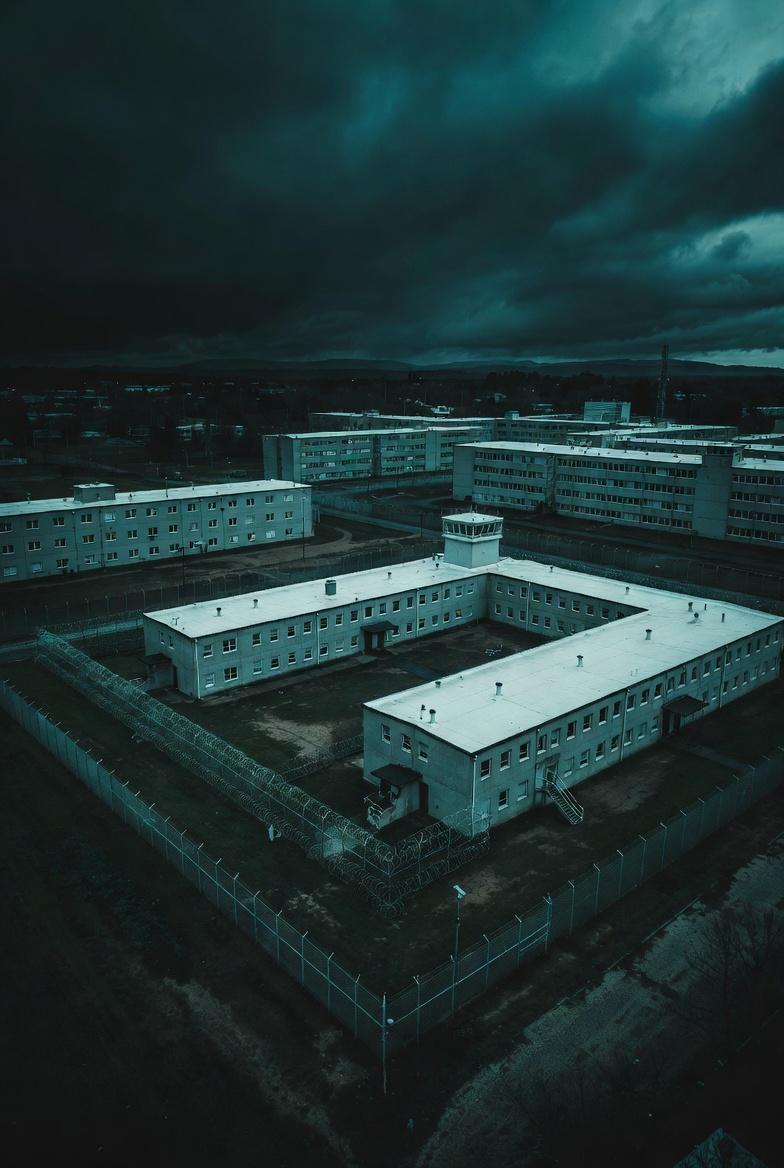
Denton County TX Juvenile Detention Center is a medium-security juvenile facility located at 210 South Woodrow Lane in Denton, Texas. This facility operates under the Denton County juvenile justice system and serves male youth offenders in Denton County. The center focuses on secure detention while providing educational services and rehabilitative programming designed specifically for juvenile populations awaiting court proceedings or serving adjudicated sentences.
Families seeking information about juveniles detained at this facility can access records through the Denton County Juvenile Services department. Visitation schedules, procedures for sending funds, and guidelines for maintaining contact with detained youth are available through the facility administration. Understanding the specific rules for juvenile facilities helps families provide appropriate support during this challenging time.
Denton County TX Juvenile Detention Center distinguishes itself within the Texas juvenile justice system through its county-level operation rather than state control. Unlike Texas Juvenile Justice Department facilities that handle more serious offenders statewide, this center serves Denton County youth specifically, allowing for closer family proximity and stronger community ties. The facility's focus on localized intervention means detained youth remain near their families, schools, and community resources, which research shows improves rehabilitation outcomes. This county-based approach enables coordination with local courts, schools, and social services to create individualized case plans that address each youth's specific circumstances and community reintegration needs.
The juvenile population at Denton County TX Juvenile Detention Center consists primarily of male youth offenders from Denton County facing various classifications. The facility houses both pre-adjudication detainees awaiting court hearings and post-adjudication youth serving sentences ordered by the juvenile court. Offense types range from status offenses and misdemeanors to more serious felony charges including property crimes, assault, drug offenses, and probation violations. The population includes first-time offenders alongside youth with prior involvement in the juvenile justice system. Special attention is given to youth requiring mental health services, educational support, or substance abuse intervention, with assessments conducted upon intake to determine individual needs and appropriate housing assignments within the secure facility.
Youth detained at Denton County TX Juvenile Detention Center reside in secure housing units designed specifically for juvenile populations. Living quarters typically feature dormitory-style or pod configurations with structured supervision to ensure safety and security. Daily schedules include regular meal times with nutrition-appropriate menus for growing adolescents, scheduled recreation periods for physical activity, and structured programming time. Medical services are available to address routine healthcare needs, injuries, and chronic conditions, with access to outside medical specialists when necessary. Mental health services provide counseling and crisis intervention for youth experiencing emotional difficulties or diagnosed mental health conditions. Educational services continue during detention to prevent academic interruption. Recreation opportunities include both indoor and outdoor activities when weather permits. The facility maintains a grievance process allowing detained youth to formally address concerns about conditions, treatment, or services, with procedures designed to be age-appropriate and accessible to the juvenile population.
Denton County TX Juvenile Detention Center provides educational programming as a primary component of its rehabilitative mission, ensuring detained youth continue their academic progress regardless of detention length. Educational services typically align with Texas Education Agency standards and may include individualized instruction, credit recovery, and special education services for eligible youth. Life skills programming addresses decision-making, anger management, and conflict resolution to reduce recidivism risk. Substance abuse education targets youth with drug or alcohol involvement, providing age-appropriate intervention and awareness programming. Religious services and spiritual counseling are available to youth whose families request such services. Reintegration planning begins at intake, with case managers coordinating with families, schools, and community providers to prepare for successful transition back to the community, whether through release, probation, or placement in alternative programs.
Work assignments at Denton County TX Juvenile Detention Center focus primarily on facility maintenance and daily operations rather than traditional prison industries. Detained youth may participate in supervised work details including housekeeping tasks, food service assistance, laundry operations, and general facility maintenance under staff supervision. These assignments serve multiple purposes: teaching work ethic and responsibility, maintaining facility operations, and providing structured activity during detention. Participation in work assignments is typically considered a privilege for youth demonstrating appropriate behavior and compliance with facility rules. Unlike adult facilities, juvenile detention work programs emphasize skill-building and responsibility development rather than production or compensation, aligning with the rehabilitative philosophy of the juvenile justice system.
The establishment of Denton County TX Juvenile Detention Center reflects Denton County's growth and the corresponding need for local juvenile justice facilities. As Denton County expanded significantly in recent decades, transforming from a primarily rural county to one of the fastest-growing metropolitan areas in Texas, the demand for juvenile services increased accordingly. The facility at 210 South Woodrow Lane was developed to provide secure detention for county youth within the community rather than transporting juveniles to distant facilities. This location in Denton allows the county juvenile court system to maintain efficient operations while keeping detained youth closer to families and local resources. The center has adapted to changing juvenile justice philosophies over the years, shifting from purely punitive approaches toward rehabilitation-focused programming that emphasizes education, family involvement, and community reintegration as primary goals for detained youth.
Visitation at Denton County TX Juvenile Detention Center operates under specific guidelines designed for juvenile facilities and family contact. Visitors must typically provide valid government-issued photo identification and complete any required approval processes before visits are permitted. Dress code requirements prohibit revealing clothing, gang-related attire, and clothing resembling facility uniforms to maintain security and appropriate environment. Visitation schedules are determined by the facility and may vary based on housing assignments or individual case circumstances. Contact visits may be limited depending on security classifications and behavior records. Families should understand that juvenile facilities often have different visitation procedures than adult jails, with emphasis on maintaining family connections as part of rehabilitation. Calling the facility ahead of time is essential to confirm current visitation schedules, complete any pre-approval requirements, and understand specific rules that apply to juvenile visits.
Families wishing to send mail to youth detained at Denton County TX Juvenile Detention Center should address correspondence with the youth's full legal name and any assigned identification number, directed to 210 South Woodrow Lane, Denton, TX 76205. All incoming mail is subject to inspection for security purposes, and facilities typically have restrictions on acceptable items, sizes, and content. Books and publications often must come directly from approved vendors or publishers rather than individuals. Phone contact may be available through collect calls or prepaid phone accounts, depending on facility policies and individual case circumstances. Families should contact the facility directly to establish phone accounts and understand calling schedules. Email or electronic messaging systems may be available through approved vendors, though juvenile facilities vary in their adoption of such technology compared to adult institutions.
Sponsored and Powered by our Partner TruthFinder
Quick Facts
Should I Be Concerned? — Family Guide
Denton County TX Juvenile Detention Center operates at medium security with no reported staff assaults, indicating a relatively stable facility environment. As a juvenile detention center, security protocols prioritize youth safety and rehabilitation rather than maximum custody. Families should expect standard visitation screening procedures; contact the facility in advance to confirm current visiting policies and any restrictions based on your facility status.
Neighborhood & Getting There
Located in Denton, Texas, approximately 35 miles north of Dallas-Fort Worth metropolitan area, this facility sits in the heart of Denton County. The area offers convenient highway access via I-35 and local roads. Denton is a college town home to Texas Woman's University and University of North Texas, providing nearby lodging options, restaurants, and services. Family visitors from Dallas-Fort Worth can reach the facility in approximately 45 minutes to one hour depending on traffic conditions.