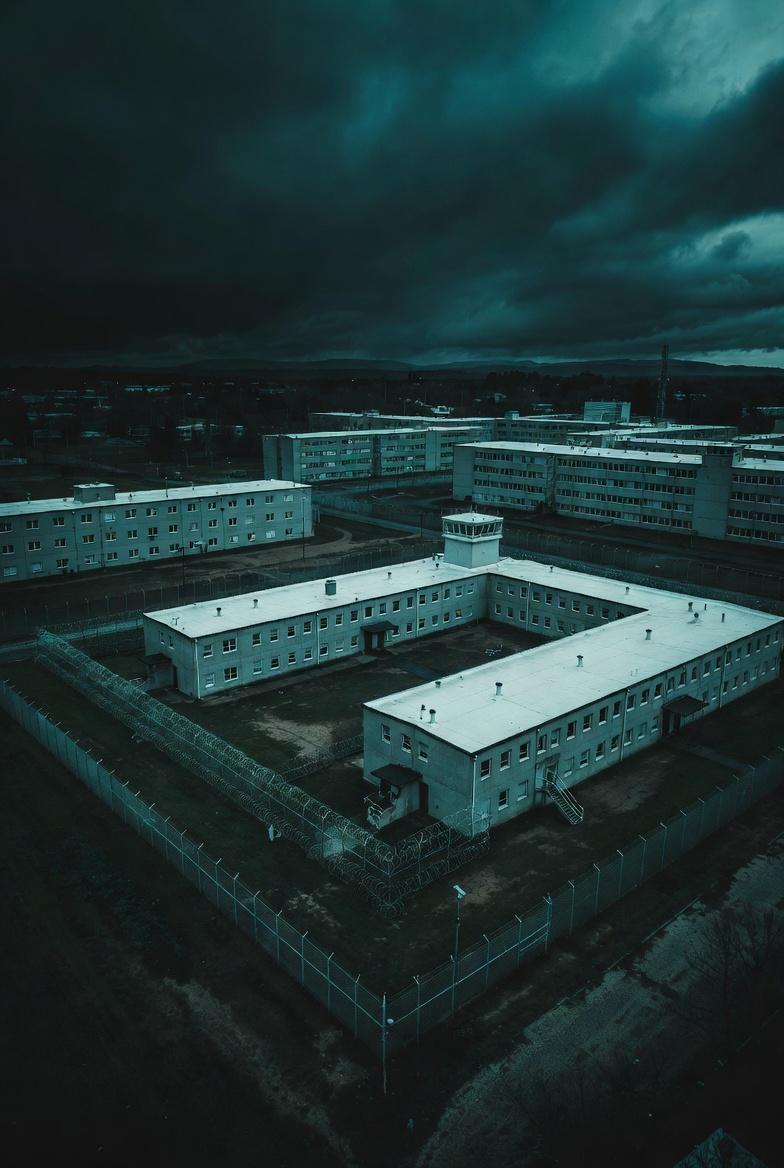
Davidson County TN Youth Development is located at 3981 Stewarts Lane in Nashville, with a Scottsboro mailing address in Davidson County, Tennessee. This medium-security facility operates under the Tennessee Department of Corrections and exclusively houses male youth offenders. The facility serves as a critical component in Tennessee's juvenile justice system, providing secure detention for young males who have been committed to state custody.
Families seeking information about youth at this facility can conduct inmate searches through Tennessee Department of Corrections resources. Relatives can support their incarcerated loved ones by sending money to their accounts, scheduling approved visits, and maintaining communication through mail. Arrest records and booking information are available through Davidson County law enforcement channels for those seeking details about recent intakes.
Davidson County TN Youth Development stands apart as one of Tennessee's specialized facilities dedicated exclusively to male juvenile offenders within the state corrections system. Unlike adult correctional facilities, this youth development center emphasizes rehabilitation and education-focused programming tailored specifically to adolescent developmental needs. The facility's location on Stewarts Lane in the Nashville area positions it within Davidson County's juvenile justice infrastructure, allowing for coordination with local courts, social services, and family support systems. This proximity enables more accessible family visitation and community-based programming connections that are essential for successful youth rehabilitation and eventual community reintegration.
The facility houses male youth who have been adjudicated through Tennessee's juvenile justice system and committed to state custody. The population typically includes juveniles who have been found delinquent for serious offenses that exceeded local detention capabilities or who require longer-term structured programming. While specific population numbers are not publicly disclosed, youth development centers typically maintain lower capacity levels than adult facilities to allow for individualized treatment planning. The population includes both pre-dispositional youth awaiting court proceedings and post-dispositional juveniles serving committed time. Many residents have complex needs including trauma histories, educational deficits, substance abuse issues, and mental health diagnoses that require specialized intervention approaches designed for adolescent populations.
Youth at Davidson County TN Youth Development reside in housing units designed for juvenile populations, with configurations that balance security requirements with developmental appropriateness. Living quarters typically feature dormitory-style or pod arrangements with supervision levels appropriate for medium-security classification. Residents receive three nutritionally balanced meals daily, planned to meet the dietary needs of growing adolescents. Recreation opportunities include both indoor and outdoor activities, with structured physical education and leisure time essential for youth development. Medical services address acute and chronic health needs, with access to pediatric-appropriate healthcare providers. Mental health services are particularly emphasized in youth facilities, offering counseling, therapy, and crisis intervention tailored to adolescent needs. Educational programming continues during residential placement to ensure youth maintain academic progress. The facility maintains a grievance process allowing residents to formally address concerns about their treatment or conditions, with oversight designed to protect youth rights while maintaining security protocols.
Davidson County TN Youth Development provides educational programming as a core component of its mission, with accredited classroom instruction allowing residents to work toward grade-level advancement and high school equivalency credentials. Vocational training opportunities introduce youth to practical skills that support future employment prospects upon release. Substance abuse programming addresses chemical dependency issues common among juvenile justice populations, using evidence-based curricula adapted for adolescent participants. Religious and faith-based programs offer spiritual support and character development opportunities for interested youth. Behavior modification and cognitive-behavioral interventions help residents develop decision-making and impulse control skills. Re-entry planning begins early in placement, with case managers coordinating transition services, family reunification efforts, and community resource connections to support successful return to home communities and reduce recidivism among this young population.
Youth at the facility may participate in work assignments that teach responsibility and job readiness skills while contributing to facility operations. Inside work details typically include food service assistance, housekeeping duties, laundry operations, and groundskeeping tasks performed under supervision. These assignments are structured as learning opportunities rather than labor exploitation, with emphasis on skill development, punctuality, and workplace behavior appropriate for adolescent workers. Some Tennessee youth facilities coordinate with community organizations for supervised outside work projects that allow residents to contribute positively to their communities while gaining practical experience. Work assignments are balanced with mandatory educational programming to ensure academic progress continues during confinement.
While the specific founding date of Davidson County TN Youth Development is not publicly documented in available records, the facility emerged as part of Tennessee's evolving approach to juvenile justice. Tennessee has historically operated separate facilities for youth offenders, recognizing that adolescents require different interventions than adult prisoners. The Stewarts Lane location in Nashville has served the Davidson County area's need for secure juvenile placement, addressing cases where community-based alternatives proved insufficient. Over the years, juvenile justice philosophy has shifted from purely punitive approaches toward rehabilitation models emphasizing education, treatment, and family engagement. The facility's current role reflects this evolution, providing structured programming within a secure environment while preparing youth for eventual community reintegration. Tennessee continues to evaluate and adjust its juvenile justice infrastructure in response to changing populations, evidence-based practices, and legal standards governing youth confinement.
Families planning to visit youth at Davidson County TN Youth Development should contact the facility directly to learn current visitation policies, as procedures for juvenile facilities often differ from adult institutions. Visitors typically must complete an approval process before being added to a youth's authorized visitor list. Valid government-issued photo identification is required for all adult visitors. Dress codes are strictly enforced, with conservative, modest clothing required and restrictions on colors or styles that may pose security concerns. Visitation scheduling procedures vary by facility; some operate on fixed schedules while others require advance appointments. Families should expect security screening including metal detection and possible searches upon entry. Contact the facility well in advance of planning a visit to confirm current hours, approval requirements, and any special procedures for visiting juvenile populations.
Mail sent to youth at Davidson County TN Youth Development should be addressed with the resident's full legal name and identification number, followed by the facility address: 3981 Stewarts Lane Nashville, TN 37218. All incoming mail is inspected for security purposes before delivery. Correspondence policies for juvenile facilities may include additional restrictions on content to ensure age-appropriateness. Books and publications typically must come directly from approved vendors or publishers rather than personal senders. Phone communication is generally available through prepaid phone accounts that families establish, allowing youth to make outgoing calls during designated times. Families should verify current phone provider and account setup procedures. Some Tennessee facilities offer electronic messaging systems, though availability varies by location and security level for youth populations.
Sponsored and Powered by our Partner TruthFinder
Quick Facts
Should I Be Concerned? — Family Guide
Davidson County TN Youth Development maintains a medium security classification with zero reported staff assaults, indicating a relatively safe environment. The facility's youth development mission emphasizes rehabilitation and education over punitive measures. Visitors should expect standard security procedures including ID verification and bag checks; contact ahead regarding current visiting policies and any restrictions related to youth protection protocols.
Neighborhood & Getting There
Davidson County TN Youth Development is located at 3981 Stewarts Lane in Nashville, within Davidson County. The facility sits in the broader Nashville metropolitan area, Tennessee's capital and largest city. Nashville is easily accessible via Interstate 24 and other major highways. The region offers numerous hotels, restaurants, and services along major corridors. Visitors traveling from surrounding areas should allow 15-45 minutes depending on origin point within Middle Tennessee.