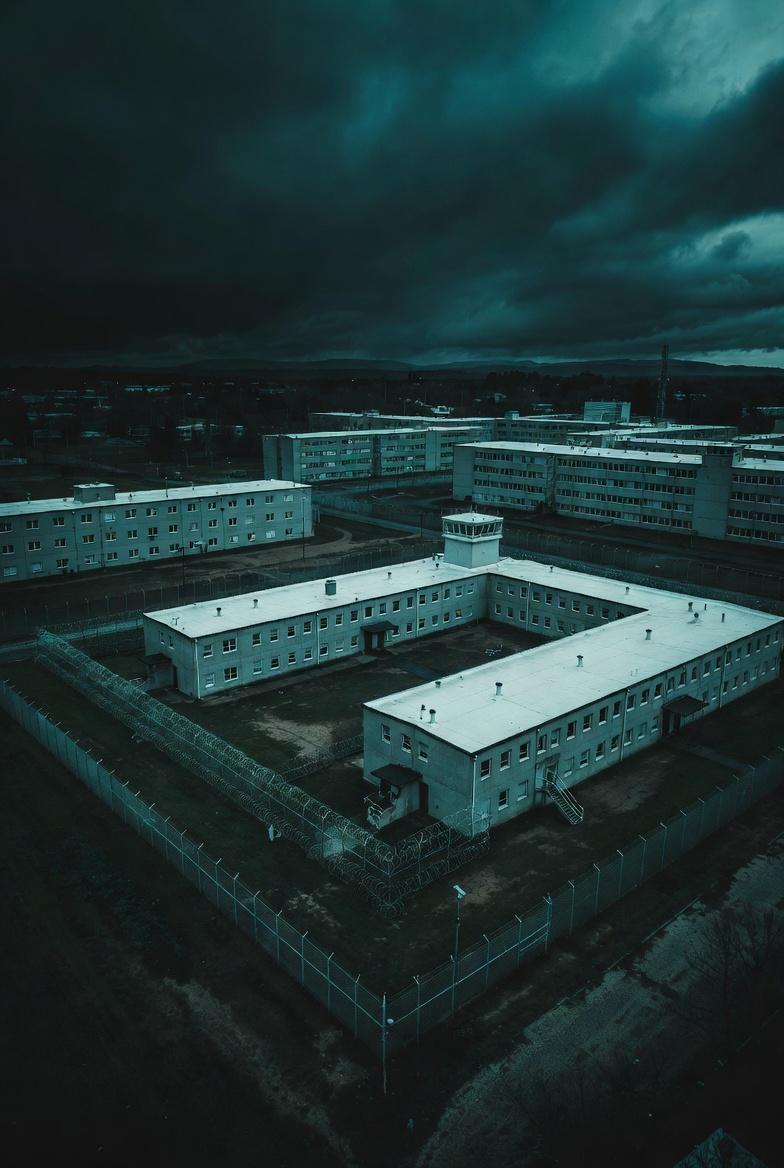
Culpeper Juvenile Detention Center is a medium-security juvenile detention facility located in Mitchells, Culpeper County, Virginia. Situated at 12240 Coffeewood Drive, this facility operates under the Virginia Department of Corrections and exclusively houses male juvenile offenders. The center serves multiple jurisdictions in the Commonwealth, providing secure detention for youth awaiting court proceedings or serving shorter-term commitments. The facility emphasizes structured programming and supervision designed specifically for adolescent populations within the Virginia correctional system.
Families seeking information about juveniles detained at Culpeper can conduct inmate searches through official Virginia DOC channels. The facility processes visitation requests, accepts monetary deposits for juveniles' accounts, and maintains arrest records accessible to families and legal representatives. Understanding the specific procedures at this Mitchells location helps families stay connected with detained youth throughout the detention process.
Culpeper Juvenile Detention Center distinguishes itself within the Virginia correctional system through its exclusive focus on male juvenile populations in the central Virginia region. Located in the rural community of Mitchells in Culpeper County, the facility serves as a regional detention resource for multiple court jurisdictions. The center's classification as a medium-security facility reflects its capacity to house juveniles with varying custody levels while maintaining age-appropriate security protocols distinct from adult facilities. Its location on Coffeewood Drive provides a setting removed from urban environments, allowing for programming tailored to adolescent behavioral needs and developmental considerations.
The juvenile population at Culpeper Juvenile Detention Center consists exclusively of male youth offenders detained under Virginia's juvenile justice system. The facility houses a mix of pre-adjudication detainees awaiting court hearings and adjudicated youth serving court-ordered commitments. Offense classifications range from status offenses and misdemeanor charges to more serious felony allegations, with housing assignments determined by individual risk assessments and age considerations. The population includes juveniles transferred from local detention centers requiring more structured placement, as well as direct admissions from law enforcement agencies. Classification processes account for developmental stages, educational needs, and behavioral management requirements specific to adolescent populations. The center accommodates youth requiring separation from adult facilities while maintaining appropriate supervision levels based on individual offense histories and institutional behavior.
Housing at Culpeper Juvenile Detention Center utilizes dormitory-style and single-cell configurations designed for juvenile populations, with assignments based on age, classification level, and behavioral history. Living units incorporate structured daily schedules that include educational time, recreational activities, and counseling sessions tailored to adolescent development. Meals are provided in designated dining areas following nutritional standards established for growing youth populations. Recreation opportunities include both indoor and outdoor activities under staff supervision, recognizing the developmental needs of adolescents for physical activity and structured play. Medical services address routine healthcare needs, injury treatment, and medication management, with youth receiving age-appropriate care from qualified healthcare providers. Mental health services include counseling, crisis intervention, and behavioral management programs addressing trauma, anxiety, and adjustment issues common in detained youth. The grievance process allows juveniles to formally address concerns about their treatment, conditions, or services, with procedures adapted to ensure understanding among younger populations and protection from retaliation.
Educational programming at Culpeper Juvenile Detention Center provides mandatory schooling for all detained youth, maintaining compliance with Virginia's compulsory education laws. Academic instruction covers core subjects with opportunities for credit recovery and individualized education plans for youth with special needs. The facility offers GED preparation for age-eligible juveniles lacking high school completion. Vocational exposure introduces youth to potential career pathways through exploratory activities appropriate to the detention setting. Substance abuse education addresses drug and alcohol issues prevalent among justice-involved youth, utilizing age-appropriate curricula and counseling approaches. Religious services accommodate various faith traditions, with volunteer chaplains providing worship opportunities and spiritual guidance. Life skills programming focuses on anger management, decision-making, conflict resolution, and social skills development essential for successful community reintegration. Re-entry preparation assists youth transitioning back to community settings, coordinating with families, schools, and probation officers to support continuity of care.
Work assignments at Culpeper Juvenile Detention Center focus on facility maintenance tasks appropriate for juvenile populations, including dining hall responsibilities, laundry operations, and general housekeeping duties. These assignments serve educational purposes by teaching workplace behaviors, responsibility, and task completion skills. Youth may participate in grounds maintenance activities under staff supervision, learning basic landscaping and property care. Unlike adult facilities, work programs emphasize skill development and responsibility-building rather than industrial production. Assignments consider individual age, physical capabilities, and behavioral status, with participation often linked to incentive systems rewarding positive conduct and program engagement within the juvenile setting.
Documentation regarding the specific founding date of Culpeper Juvenile Detention Center remains limited in publicly available records, though the facility has operated as part of Virginia's regional juvenile detention infrastructure serving central Virginia jurisdictions. The center developed during periods when Virginia expanded specialized facilities separating juvenile offenders from adult populations, reflecting evolving standards in juvenile justice emphasizing age-appropriate detention environments. Located in rural Culpeper County near Mitchells, the facility's placement reflects considerations for both security and programming space suitable for adolescent populations. Throughout its operational history, the center has adapted to changing juvenile justice philosophies, including increased emphasis on rehabilitation, education, and mental health services. Today, Culpeper Juvenile Detention Center continues serving as a medium-security resource within the Virginia Department of Corrections system, providing regional detention capacity for male juveniles requiring secure placement pending adjudication or serving court-ordered commitments.
Visitation at Culpeper Juvenile Detention Center requires advance approval through a formal application process, with all visitors subject to background screening before authorization. Families should contact the facility directly to obtain current visitation schedules, which typically designate specific days and times for visits. Approved visitors must present valid government-issued photo identification upon arrival and comply with dress code requirements prohibiting revealing clothing, gang-related items, and attire resembling staff uniforms. The facility maintains strict policies regarding items brought into visitation areas, generally prohibiting personal belongings beyond essential identification. Visitation procedures emphasize supervised contact appropriate to the detention setting, with staff monitoring all interactions. Given that policies and schedules can change, families are strongly encouraged to call ahead before traveling to confirm visitation times, verify approval status, and understand current facility-specific requirements.
Mail sent to juveniles at Culpeper Juvenile Detention Center should include the youth's full legal name and any assigned identification number, addressed to 12240 Coffeewood Drive PO Box 1000, Mitchells, VA 22729. All incoming correspondence undergoes inspection for contraband and prohibited materials before delivery. Books and publications typically require shipment directly from approved vendors or publishers rather than personal sources, ensuring compliance with facility security protocols. Telephone access operates through established phone accounts funded by families, allowing juveniles to make monitored outbound calls during designated periods. Families should verify current communication policies directly with the facility, as juvenile detention centers often maintain more restrictive contact procedures than adult facilities to protect minors and facilitate rehabilitation goals.
Sponsored and Powered by our Partner TruthFinder
Quick Facts
Should I Be Concerned? — Family Guide
Culpeper Juvenile Detention Center operates at medium security with zero reported staff assaults, indicating a relatively stable operational environment. As a juvenile facility, it maintains age-appropriate security measures and programming. Visitors should expect standard security procedures including ID verification and facility rules compliance during visits.
Neighborhood & Getting There
Culpeper Juvenile Detention Center is located in Mitchells, Virginia, in Culpeper County, approximately 75 miles northwest of Richmond and 120 miles from Washington, D.C. The rural central Virginia location offers highway access via US Route 29. Charlottesville is the nearest significant city, about 45 minutes away. Limited lodging options exist locally; visitors typically stay in Culpeper town (15 minutes away) with basic hotel and dining options available.