Cranston - Juvenile Correctional Services
State Prison | Rhode Island County — Rhode Island
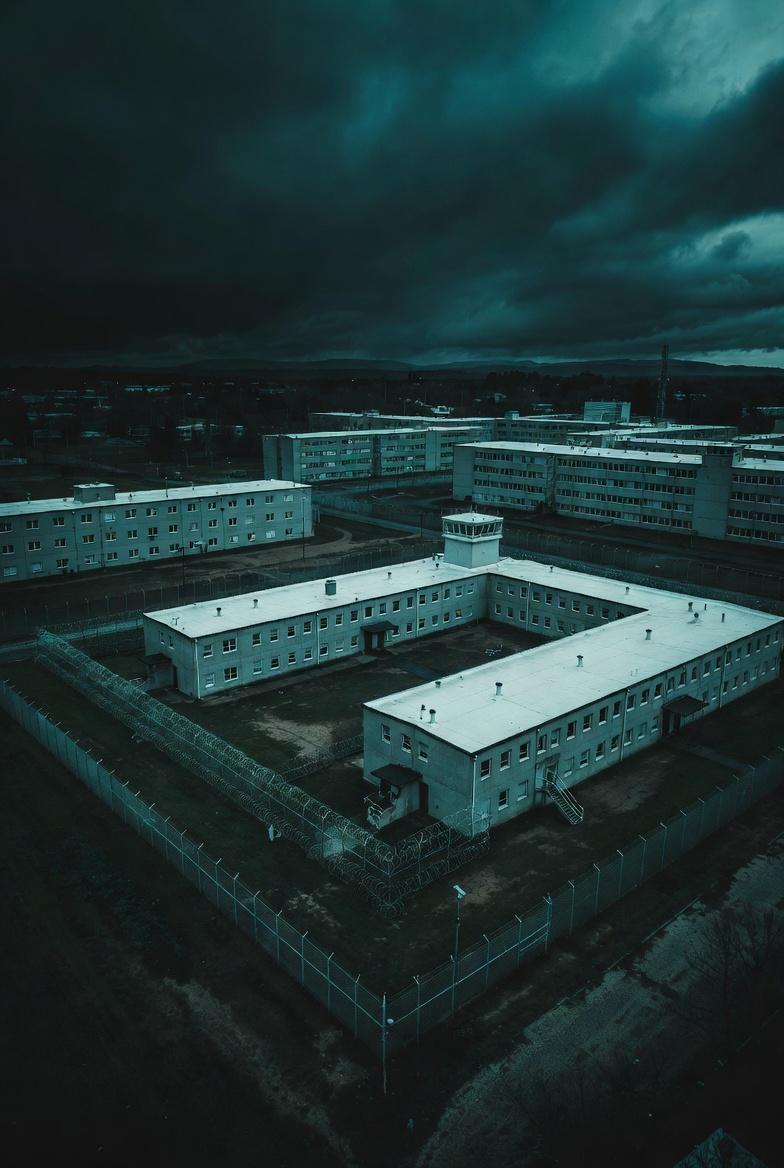
Cranston Juvenile Correctional Services operates as a medium-security facility located at 600 Howard Avenue in Cranston, Rhode Island County. This specialized institution falls under the jurisdiction of the Rhode Island Department of Corrections and exclusively houses male juvenile offenders. The facility serves as one of Rhode Island's primary juvenile correctional centers, providing secure detention while offering rehabilitative services tailored to young offenders. The facility focuses on accountability, education, and preparing juveniles for successful reintegration into their communities.
Families seeking information about juveniles detained at this facility can conduct inmate searches through the Rhode Island Department of Corrections system. Families can arrange visitation, deposit funds for commissary needs, and access arrest records. Understanding the facility's specific rules and procedures helps maintain important connections during a juvenile's incarceration and supports their rehabilitation process.
Cranston Juvenile Correctional Services stands apart within the Rhode Island correctional system as a specialized facility dedicated exclusively to male juvenile offenders. Unlike adult facilities, this institution emphasizes age-appropriate rehabilitation and intervention strategies designed specifically for young people in the justice system. The facility's focus on education, counseling, and behavioral modification reflects Rhode Island's commitment to juvenile justice reform and reducing recidivism among youth offenders. Being located in Cranston, the state's third-largest city, allows for coordinated services with local educational institutions, mental health providers, and community organizations that support successful transitions back to society for juveniles completing their sentences.
The juvenile population at Cranston Juvenile Correctional Services consists of male offenders under the age of eighteen who have been adjudicated through Rhode Island's juvenile justice system. These young people may be detained for various offenses ranging from property crimes and drug-related charges to more serious violent offenses. The population includes both pre-adjudication detainees awaiting court proceedings and adjudicated juveniles serving committed sentences. Special attention is given to juveniles with mental health needs, substance abuse issues, and those requiring educational interventions. Because Rhode Island operates as a unified correctional system, juveniles requiring maximum security or specialized treatment may be housed in designated areas separate from the general population to ensure safety and appropriate programming.
Juveniles at Cranston Juvenile Correctional Services are housed in dormitory-style or cell-based units designed to provide secure custody while maintaining age-appropriate living environments. Daily schedules include structured meal times served in dining areas, with meals designed to meet nutritional requirements for growing adolescents. Recreation opportunities include both indoor and outdoor activities, allowing juveniles to engage in physical exercise and leisure time under staff supervision. Medical services are available on-site, with healthcare providers addressing routine medical needs, administering medications, and coordinating specialized care when necessary. Mental health services play a crucial role given the high prevalence of psychological and behavioral health needs among juvenile offenders, with counselors and therapists providing individual and group interventions. The facility maintains a grievance process allowing juveniles to formally address concerns about their treatment, conditions, or services. Staff members receive specialized training in adolescent development and behavior management to maintain security while supporting rehabilitation goals.
Education forms the cornerstone of programming at Cranston Juvenile Correctional Services, with mandatory school attendance for all eligible juveniles. Academic instruction helps juveniles continue their education, work toward high school diplomas, or prepare for GED certification. Vocational training opportunities may be available to teach practical job skills that support employment upon release. Substance abuse programming addresses drug and alcohol dependency issues common among juvenile offenders, using evidence-based curricula designed for adolescents. Counseling services target anger management, conflict resolution, and decision-making skills to reduce future criminal behavior. Religious services and faith-based programming are accessible for juveniles seeking spiritual guidance. Re-entry planning begins early in a juvenile's commitment, coordinating with families, schools, probation officers, and community providers to ensure successful transitions and reduce the likelihood of reoffending.
Work assignments at Cranston Juvenile Correctional Services focus on teaching responsibility and basic employment skills while maintaining facility operations. Juveniles may be assigned to food service duties, including meal preparation and dining area maintenance under staff supervision. Housekeeping assignments help maintain cleanliness throughout housing units and common areas. Laundry services provide work experience in sorting, washing, and distributing clothing and linens. These work programs serve dual purposes of reducing operational costs while instilling work habits, punctuality, and accountability that benefit juveniles upon release to their communities.
The establishment of Cranston Juvenile Correctional Services reflects Rhode Island's evolution in handling juvenile offenders through specialized facilities rather than housing them with adult populations. Rhode Island has long operated as a unified correctional system where the Department of Corrections manages both adult and juvenile facilities, allowing for coordinated policies and oversight. The facility at 600 Howard Avenue has served as a central location for juvenile corrections in the state, though specific founding dates and construction details are not extensively documented in public records. Over the years, the facility has adapted to changing philosophies in juvenile justice, moving from purely punitive approaches toward rehabilitation-focused models emphasizing education, treatment, and community reintegration. Today, Cranston Juvenile Correctional Services continues its role as a primary detention and commitment facility for male juveniles in Rhode Island's justice system.
Visitation at Cranston Juvenile Correctional Services provides crucial opportunities for juveniles to maintain family connections during their incarceration. Visitors must bring valid government-issued photo identification and are subject to approval processes that may include background checks. Dress codes are strictly enforced, typically prohibiting revealing clothing, items resembling inmate attire, and clothing with offensive graphics or language. Visitors should expect to pass through security screening, which may include metal detectors and searches of personal belongings. Scheduling requirements and visiting hours vary, and families should contact the facility directly before planning their first visit to understand current procedures, restrictions, and any special rules applying to juvenile visitation. Maintaining consistent family contact supports positive outcomes for juveniles.
Families can send mail to juveniles at Cranston Juvenile Correctional Services by addressing correspondence with the juvenile's full legal name and identification number, followed by the facility address at 600 Howard Avenue, Cranston, RI 02920. All incoming mail is subject to inspection for contraband and prohibited items. Books and educational materials typically must be sent directly from approved vendors or publishers rather than individuals. Phone access allows juveniles to maintain contact with approved family members through collect calls or prepaid phone accounts established by relatives. Families should contact the facility to understand specific requirements for phone services, as policies govern call frequency and approved contact lists.
Sponsored and Powered by our Partner TruthFinder
Quick Facts
Should I Be Concerned? — Family Guide
Cranston - Juvenile Correctional Services maintains a Medium security classification with zero reported staff assaults, indicating a relatively stable facility environment. As a juvenile corrections facility, it focuses on rehabilitation and educational programming. Visitors should expect standard security screening procedures and supervised visitation areas. Contact the facility directly to confirm current visiting policies and schedule visits in advance.
Neighborhood & Getting There
Cranston is located in Rhode Island County, approximately 10 miles south of Providence, Rhode Island's capital. The facility sits in the central Rhode Island region with convenient highway access via I-95 and Route 6. Providence is about 20 minutes away by car and offers hotels, dining, and services for families visiting. The area is suburban with residential neighborhoods surrounding the correctional facility.