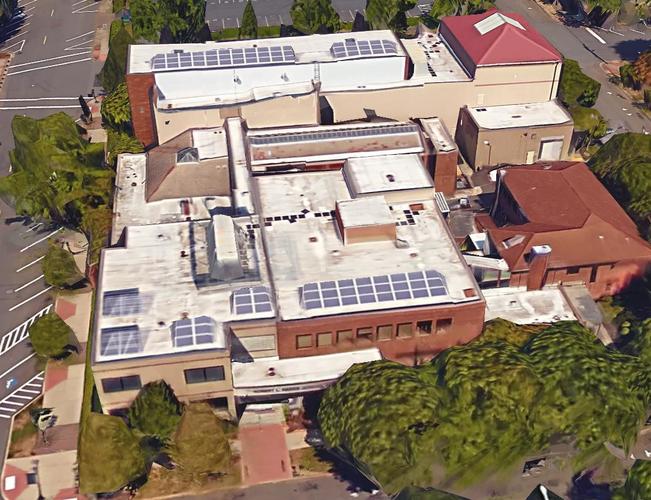
Clark County WA Juvenile Detention Facility
County Jail | Clark County — Washington | CCDF | Clark County Washington | WA CC
Clark County WA Juvenile Detention Facility is located at 500 West 11th Street in Vancouver, Washington, within Clark County. This medium-security facility operates under the Washington Department of Corrections system and is overseen by Administrator Kevin Memsic. The facility houses male juveniles who are awaiting court proceedings or serving adjudicated sentences. As a juvenile detention center, it provides secure custody while emphasizing rehabilitation and age-appropriate programming for youth offenders.
Families seeking information about youth held at this facility can search detention records through Clark County's juvenile justice system. Relatives can arrange approved visitation, send funds for commissary purchases, and maintain contact through mail correspondence. Understanding facility procedures helps families support juveniles during their detention while complying with security protocols specific to youth facilities.
Clark County WA Juvenile Detention Facility operates specifically as a youth-focused institution within Washington's correctional system, distinguishing it from adult facilities throughout the state. The facility prioritizes age-appropriate rehabilitation over punishment, implementing specialized protocols designed for adolescent development. Its location in Vancouver places it within Southwest Washington's largest population center, serving Clark County and surrounding jurisdictions. As a county-operated juvenile facility, it maintains closer ties to local courts, schools, and community services than state-run institutions, enabling coordinated case management and family engagement that supports successful reintegration into the community.
The facility houses male juveniles ranging from pre-teens to young adults under age eighteen who have been charged with or adjudicated for various offenses. The population includes youth detained pre-trial while awaiting court hearings, those serving post-adjudication sentences, and juveniles held on probation violations. Offense types range from status offenses and misdemeanors to serious felonies. Classification considers factors including age, offense severity, behavioral history, and individual needs. Some youth may have substance abuse issues, mental health diagnoses, or educational deficits requiring specialized attention. The transient nature of juvenile detention means the population fluctuates as youth move through different stages of the justice process, with lengths of stay varying from days to months.
Youth at Clark County WA Juvenile Detention Facility reside in secure housing units designed for adolescent populations, with rooms or cells configured differently than adult facilities. Daily schedules include structured programming, meals, recreation, and educational activities appropriate for developmental stages. The facility provides three meals daily with attention to nutritional needs of growing youth. Recreation includes indoor and outdoor activities when security permits, allowing physical exercise essential for adolescent health. Medical services address routine healthcare, medications, and urgent needs through qualified staff and community healthcare partnerships. Mental health services recognize the prevalence of trauma and behavioral issues among detained youth, offering counseling and crisis intervention. The grievance process allows juveniles to report concerns about conditions, treatment, or rights violations through formal channels monitored by facility administration and oversight agencies.
Educational programming is mandatory and central to the facility's mission, ensuring youth continue schooling during detention through accredited instruction aligned with Washington state standards. Teachers provide individualized instruction across grade levels, working toward credits and graduation requirements. Special education services support youth with learning disabilities or individualized education plans. Substance abuse programming addresses chemical dependency issues common among detained juveniles through counseling and education. Life skills training prepares youth for successful community reintegration. Religious services accommodate various faith traditions through volunteer chaplains and community partnerships. Behavioral modification programs focus on anger management, decision-making, and accountability. Re-entry planning begins at intake, coordinating with families, schools, and community providers to support transitions back home.
Work assignments in juvenile facilities differ significantly from adult institutions, emphasizing skill-building and responsibility rather than labor. Youth may participate in facility maintenance tasks such as cleaning common areas, assisting with meal service, or maintaining recreation spaces. These assignments teach work ethics, time management, and cooperation while maintaining facility operations. Unlike adult prisons with extensive industries or outside work crews, juvenile detention focuses on age-appropriate responsibilities that contribute to daily routines. Participation in work assignments may be voluntary or assigned based on behavioral status, with incentives including commissary privileges or recognition within the facility's behavior management system.
While the exact founding date of Clark County WA Juvenile Detention Facility remains undocumented in available public records, juvenile detention in Clark County has evolved alongside Washington's juvenile justice system over decades. The facility at 500 West 11th Street has served as the county's primary secure detention center for youth, reflecting changing philosophies about juvenile justice from punishment-focused models toward rehabilitation and treatment approaches. Washington state has progressively reformed juvenile justice policies, emphasizing evidence-based practices, family engagement, and community-based alternatives to detention. The facility has adapted through these transitions, implementing programming that addresses root causes of delinquency while maintaining secure custody. Today, Clark County WA Juvenile Detention Facility operates within a broader juvenile justice framework emphasizing accountability, competency development, and successful reintegration into the community.
Visitation at Clark County WA Juvenile Detention Facility allows families to maintain crucial connections with detained youth through scheduled visits. Visitors must typically provide government-issued photo identification and complete approval processes before visits. Dress codes prohibit clothing resembling detention uniforms or containing inappropriate graphics, with specific restrictions on colors and styles. Scheduling procedures vary and may include advance registration or designated visitation hours for different housing units. Visitors should expect security screening including metal detectors and property inspections. Contact visits may be limited based on security level and individual behavioral status. Families should call the facility well in advance to understand current visitation policies, approval requirements, scheduling procedures, and any restrictions related to the youth's case or status.
Mail correspondence provides essential connection between detained youth and families. Letters should be addressed with the juvenile's full name, booking or identification number if known, and the facility address at 500 West 11th Street, Vancouver, WA 98666-5000. Incoming mail undergoes inspection for contraband and prohibited items. Books and publications typically must come directly from approved vendors or publishers rather than personal senders. Families should verify specific mail policies including restrictions on content, enclosures, and package acceptance. Phone privileges allow youth to make collect calls or use prepaid phone accounts established by families through approved vendors. Some juvenile facilities offer email or messaging systems, though availability varies by facility policy and individual privileges.
Sponsored and Powered by our Partner TruthFinder
Quick Facts
Should I Be Concerned? — Family Guide
Clark County WA Juvenile Detention Facility maintains a medium-security classification with zero reported staff assaults, indicating a generally safe environment for visitors. The facility focuses on youth rehabilitation and structured care. When visiting, expect standard security procedures including identification verification and property screening; contact the facility in advance to confirm current visiting policies and any restrictions.
Neighborhood & Getting There
Clark County WA Juvenile Detention Facility is located in downtown Vancouver, Washington, the county seat of Clark County in Southwest Washington. Vancouver sits approximately 3 hours north of Portland, Oregon, and 3 hours south of Seattle. The facility's downtown location provides convenient highway access via I-5 and local roads. Nearby hotels, restaurants, and services are available throughout Vancouver's commercial district, making it accessible for families visiting from across the Pacific Northwest region.