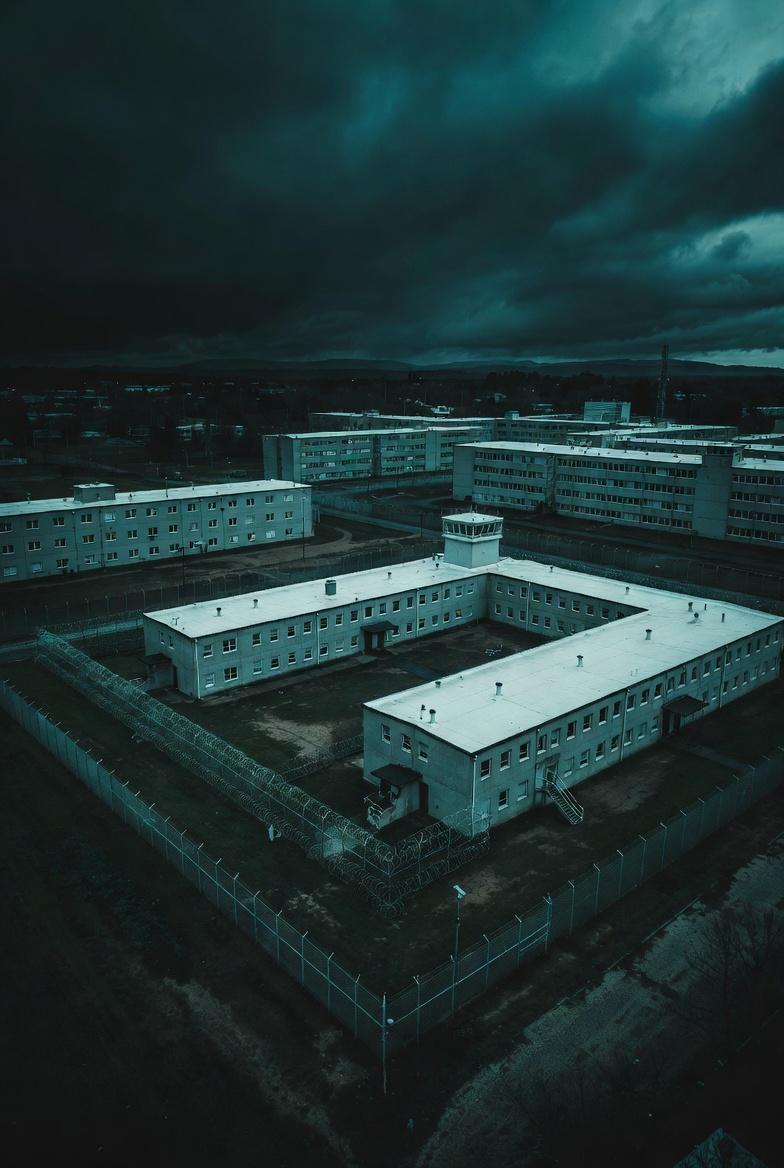
Chesterfield VA Juvenile Detention Home is a medium-security juvenile detention facility located at 9600 Krause Road in Chesterfield, Virginia. Operated within the Virginia Department of Corrections system, this facility specifically houses male juveniles who are awaiting court hearings or serving commitments. The detention home serves Chesterfield County and surrounding jurisdictions in central Virginia, providing secure custody for youth involved in the juvenile justice system.
Families seeking information about juveniles detained at this facility can search detention records through appropriate county channels. Visitation policies are tailored to juvenile populations, and families can send correspondence to the Krause Road address. Understanding the detention process and maintaining contact with detained youth can support positive outcomes during this challenging time.
Chesterfield VA Juvenile Detention Home stands apart as a specialized youth facility within the Virginia corrections landscape. Unlike adult facilities, this detention home operates under juvenile justice principles emphasizing rehabilitation and accountability appropriate for developing adolescents. The facility's location in Chesterfield County positions it to serve both the Richmond metropolitan area and surrounding rural communities. Its focus exclusively on male juveniles allows for specialized programming addressing the unique developmental, educational, and behavioral health needs of young males in detention, distinguishing it from co-educational juvenile facilities elsewhere in Virginia.
The detention home houses male juveniles ranging from pre-adolescence through age seventeen, depending on court jurisdiction. The population includes both pre-adjudication youth awaiting court proceedings and post-adjudication juveniles serving commitments after court disposition. Offenses range from status offenses and misdemeanors to serious felonies including violent crimes and property offenses. Many detained youth face challenges including substance abuse issues, trauma histories, educational deficits, and mental health conditions. The transient nature of juvenile detention means the population fluctuates significantly, with some youth detained briefly while awaiting court hearings and others remaining for extended commitments. Classification procedures assess each juvenile's risk level, behavioral needs, and vulnerability to determine appropriate housing and supervision levels within the facility.
Juveniles at Chesterfield Detention Home are housed in secure dormitory-style or cell-based units with supervision levels matched to individual risk assessments. Daily schedules include structured meal times, educational programming during weekdays, and scheduled recreation periods both indoors and outdoors when weather permits. Medical services address routine healthcare needs, medication management, and sick calls, while mental health professionals provide counseling and crisis intervention for youth experiencing psychological distress. Nutritionally balanced meals accommodate dietary restrictions and religious preferences. Recreation includes physical activities, games, and leisure time allowing youth to decompress from the structured environment. A formal grievance process allows detained juveniles to report concerns about conditions, treatment, or rule violations. Staff conduct regular welfare checks and maintain constant supervision to ensure safety. Educational services continue during detention to minimize academic disruption, and youth receive assignments appropriate to their grade level and abilities.
Educational programming forms the cornerstone of services at Chesterfield Juvenile Detention Home, with accredited teachers providing instruction in core subjects to prevent educational regression during confinement. Youth work toward grade-level competencies and may pursue GED preparation if appropriate. Behavioral modification programs address anger management, conflict resolution, and decision-making skills. Substance abuse education targets youth with chemical dependency issues, teaching coping strategies and relapse prevention. Religious services and pastoral counseling are available for youth seeking spiritual support. Life skills programming covers topics like hygiene, communication, and goal-setting. Re-entry planning begins upon admission for committed youth, coordinating with families, schools, and community providers to facilitate successful transition back to the community.
Work assignments at the juvenile detention home differ significantly from adult facilities, focusing on teaching responsibility rather than generating revenue. Juveniles participate in facility maintenance duties including cleaning common areas, meal service assistance, and laundry tasks under staff supervision. These assignments teach work ethic, time management, and practical skills while maintaining the facility. Youth may earn privileges or incentives for consistent work performance and positive behavior. Outside work crews or prison industries typical of adult facilities are not utilized given the secure custody requirements and developmental stage of the juvenile population. The emphasis remains on rehabilitation and skill-building appropriate for adolescents.
Chesterfield County has operated juvenile detention services for decades as part of Virginia's court service unit system, though specific founding dates for the current Krause Road facility are not publicly documented in available records. The facility represents Virginia's commitment to separating juvenile offenders from adult criminal populations, consistent with juvenile justice philosophy emphasizing rehabilitation over punishment. Over the years, juvenile justice practices have evolved from purely punitive approaches toward evidence-based interventions addressing underlying factors contributing to delinquent behavior. The detention home has adapted to changing best practices, incorporating educational programming, mental health services, and family engagement strategies. Today, the facility continues fulfilling its mission of providing secure custody while preparing youth for successful community reintegration through structured programming and individualized case management.
Visitation at Chesterfield VA Juvenile Detention Home is crucial for maintaining family connections during detention. Visitors must typically provide valid government-issued photo identification and submit to approval processes before visiting. Dress codes prohibit revealing clothing, gang-related apparel, and attire resembling staff uniforms. Visitation schedules are established by facility administration and may differ from adult facilities given the developmental needs of juvenile populations. Contact visits may be permitted depending on the juvenile's security classification and behavioral record. Families should call the facility in advance to confirm current visitation days, hours, approval procedures, and any temporary policy changes. Understanding and following all rules ensures visits proceed smoothly and positively benefit the detained youth.
Families can send mail to juveniles detained at Chesterfield VA Juvenile Detention Home by addressing correspondence to the juvenile's full name at 9600 Krause Road, Chesterfield, VA 23832. All incoming mail undergoes inspection for contraband and prohibited items. Books and publications typically must be sent directly from approved vendors or publishers rather than from individuals. Telephone privileges allow detained youth to maintain family contact through collect calls or prepaid phone accounts established by families. Some juvenile facilities now offer electronic messaging systems, though availability varies. Families should contact the facility directly to learn specific procedures for mail, phone accounts, and any electronic communication options currently available for staying connected with detained juveniles.
Sponsored and Powered by our Partner TruthFinder
Quick Facts
Should I Be Concerned? — Family Guide
Chesterfield VA Juvenile Detention Home maintains a medium-security classification with zero reported staff assaults, indicating a generally stable facility environment. As a juvenile detention center, the facility prioritizes rehabilitation and safety for youth residents. When visiting, expect standard security procedures including ID verification and bag checks. Plan visits in advance by contacting the facility directly, as visitation schedules for juvenile facilities are typically more restricted than adult correctional centers.
Neighborhood & Getting There
Chesterfield VA Juvenile Detention Home is located in Chesterfield County, approximately 20 miles southwest of Richmond, Virginia's capital. The facility sits in a suburban area with access to major routes including Route 60. Richmond-area hotels and services are 20-30 minutes away via I-95 or Route 288. The region offers typical suburban amenities with reasonable driving times from the broader Richmond metropolitan area for family visits.