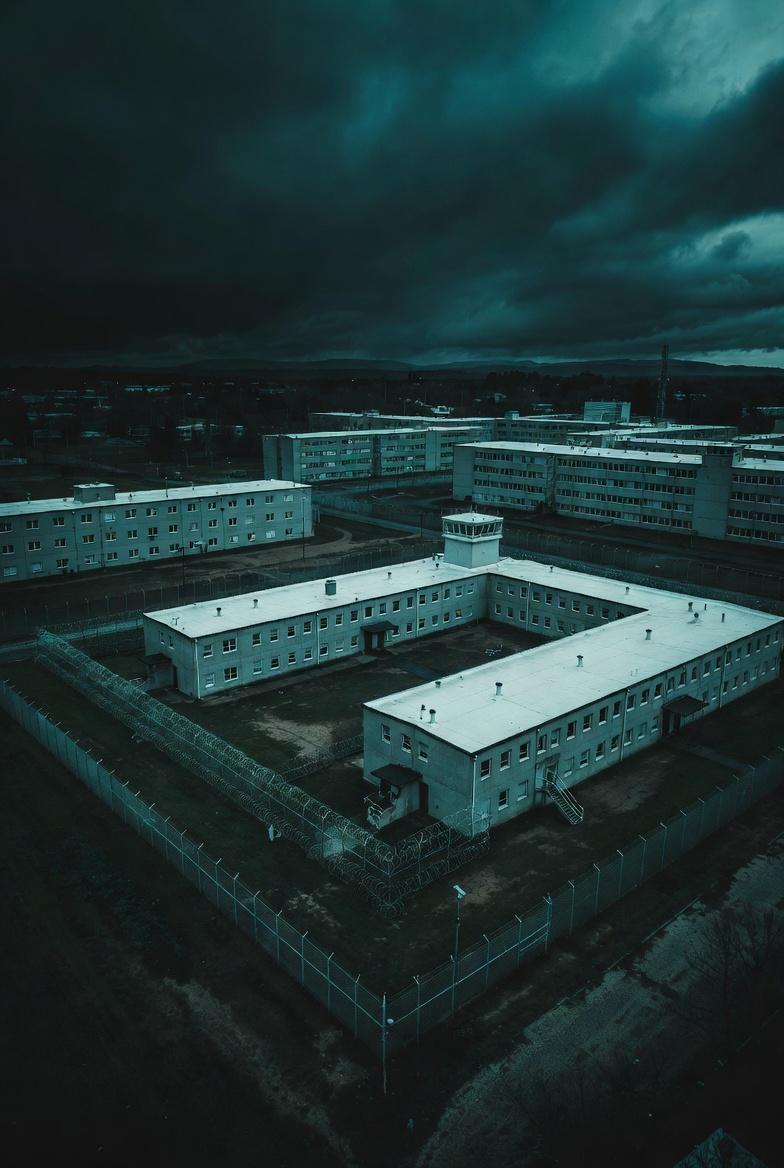
Carteret County Detention Facility operates as a medium-security detention center located at 306 Craven Street in Beaufort, North Carolina. Part of the North Carolina Department of Corrections system, this facility serves Carteret County by housing male inmates. The detention center is situated in the historic coastal town of Beaufort, positioned along North Carolina's Crystal Coast region. The facility processes individuals arrested within Carteret County jurisdiction and houses both pre-trial detainees awaiting court proceedings and sentenced inmates serving county-level terms.
Families seeking information about inmates housed at Carteret County Detention Facility can conduct inmate searches through county resources, access arrest records, and learn about visitation procedures. The facility provides multiple ways for families to maintain contact with incarcerated loved ones, including scheduled visitation, phone privileges, and mail correspondence. Understanding the facility's specific procedures helps families navigate sending money, arranging visits, and staying connected throughout the incarceration period.
Carteret County Detention Facility serves a unique coastal jurisdiction in North Carolina, managing detention operations for a county that includes barrier islands, fishing communities, and seasonal tourism populations. The facility's location in Beaufort, one of North Carolina's oldest towns dating to 1709, positions it within a region where law enforcement must address both year-round resident needs and significant seasonal population fluctuations. This coastal county setting means the detention center processes cases involving maritime activities, transient populations, and the particular challenges of island communities. The facility's integration with Carteret County's court system and local law enforcement agencies reflects the distinct character of this Crystal Coast region.
The inmate population at Carteret County Detention Facility consists primarily of male offenders classified under medium-security protocols. The facility houses a mixture of pre-trial detainees awaiting court appearances in Carteret County courts and sentenced inmates serving terms for county-level convictions. Offense types typically include misdemeanor violations, low-level felonies, probation violations, and individuals awaiting transfer to state facilities after sentencing. The coastal location means the facility may process charges related to fishing violations, boating offenses, and tourism-related incidents alongside traditional criminal charges. Population levels fluctuate with seasonal patterns affecting the county. The detention center manages both short-term holds for individuals awaiting bond hearings and longer stays for those serving county sentences or facing extended pre-trial detention periods.
Carteret County Detention Facility maintains housing units designed for medium-security classification, with inmates assigned to cells or dormitory-style quarters based on classification assessments and security needs. Inmates receive three daily meals prepared according to North Carolina detention standards, with accommodations made for medical dietary requirements and religious observances. The facility provides designated recreation periods, though specific amenities depend on security considerations and facility design. Medical services address routine healthcare needs, sick call requests, and medication management, with emergency situations referred to appropriate medical facilities. Mental health services provide assessment and crisis intervention as needed within the detention environment. Inmates have access to a grievance process for addressing concerns about conditions, treatment, or facility operations. Daily schedules include count times, meal service, recreation access, and designated periods for showers and telephone use. The facility maintains security protocols consistent with its medium-security designation while managing the operational needs of a county-level detention center.
Carteret County Detention Facility offers programming appropriate to its role as a county detention center, with options varying based on length of stay and security classifications. Educational opportunities may include GED preparation for inmates serving longer sentences or awaiting trial for extended periods. Religious services provide spiritual support through volunteer chaplains and community religious organizations. Substance abuse education addresses addiction issues common among the inmate population, offering information about recovery resources and treatment options. The facility may coordinate with community organizations to provide re-entry planning assistance for inmates preparing for release, helping them connect with local resources for housing, employment, and continuing treatment. Program availability depends on staffing levels, volunteer participation, and the transient nature of the county jail population. Many inmates serve relatively short sentences, limiting participation in longer-term programming initiatives.
Work assignments at Carteret County Detention Facility provide selected inmates with opportunities to assist in daily operations while developing work habits and reducing idleness. Inside job assignments typically include kitchen duties, facility maintenance, laundry operations, and janitorial responsibilities. Inmates may assist with meal preparation and service, cleaning housing units and common areas, and general upkeep of the detention center. Work assignments are privileges granted based on behavior, security classification, and trustworthiness assessments. Participation in work programs helps maintain facility operations while giving inmates constructive activity during their incarceration. As a county-level facility, large-scale prison industries programs are not typically available.
Carteret County Detention Facility serves a coastal North Carolina county with deep historical roots, though specific founding dates for the current detention center are not widely documented in public records. The facility's location in Beaufort places it in one of North Carolina's oldest continuously inhabited communities, established in 1709. The current detention center represents the county's modern approach to incarceration and pre-trial detention, replacing earlier jail facilities that served the county throughout its history. County detention operations have evolved alongside changes in North Carolina's criminal justice system, court procedures, and corrections standards. The facility continues to serve as Carteret County's primary detention center, housing inmates arrested by local law enforcement agencies including the Carteret County Sheriff's Office and municipal police departments. Today, the facility operates within the framework of North Carolina Department of Corrections standards while maintaining its function as a county-level detention center.
Visitation at Carteret County Detention Facility provides families with opportunities to maintain personal contact with incarcerated loved ones. All visitors must present valid government-issued photo identification before being admitted. The facility enforces dress code requirements that typically prohibit revealing clothing, clothing resembling inmate attire, and items that could pose security concerns. Visitors should expect to undergo security screening procedures before entering visitation areas. The facility may require visitor approval processes or background checks for certain classifications. Visitation scheduling, days, and hours are determined by facility policy and may vary based on housing assignments or security status. Families should contact the facility directly before traveling to confirm current visitation schedules, procedures, and any restrictions that may apply to specific inmates.
Families can contact inmates at Carteret County Detention Facility through mail correspondence addressed properly with the inmate's full name and booking number sent to PO Box 239, Beaufort, NC 28516. All incoming mail undergoes inspection according to facility security protocols. Books and publications must typically come directly from approved vendors or publishers to be accepted. Inmates have access to telephone services through prepaid phone accounts established by families, allowing collect calls or pre-funded calling systems. Families should check with facility administration regarding available communication methods, phone account setup procedures, and any restrictions on correspondence. Electronic messaging systems may be available depending on facility contracts, providing additional communication options beyond traditional mail and phone services.
Sponsored and Powered by our Partner TruthFinder
Quick Facts
Should I Be Concerned? — Family Guide
Carteret County Detention Facility maintains a medium security environment with zero reported staff assaults, indicating a relatively stable facility. As a county detention center, it primarily houses lower-custody inmates awaiting trial or serving short sentences. Visitors should expect standard security procedures and allow extra time for entry processing when visiting.
Neighborhood & Getting There
Carteret County Detention Facility is located in Beaufort, a historic coastal town in eastern North Carolina approximately 150 miles southeast of Raleigh. The facility sits in the heart of the Crystal Coast region near the Atlantic Ocean. Beaufort is accessible via US Highway 70 and offers basic lodging options, restaurants, and services. Nearest major airport is Coastal Carolina Regional Airport (ECP), approximately 15 miles away. The area features maritime character with local waterfront amenities nearby.