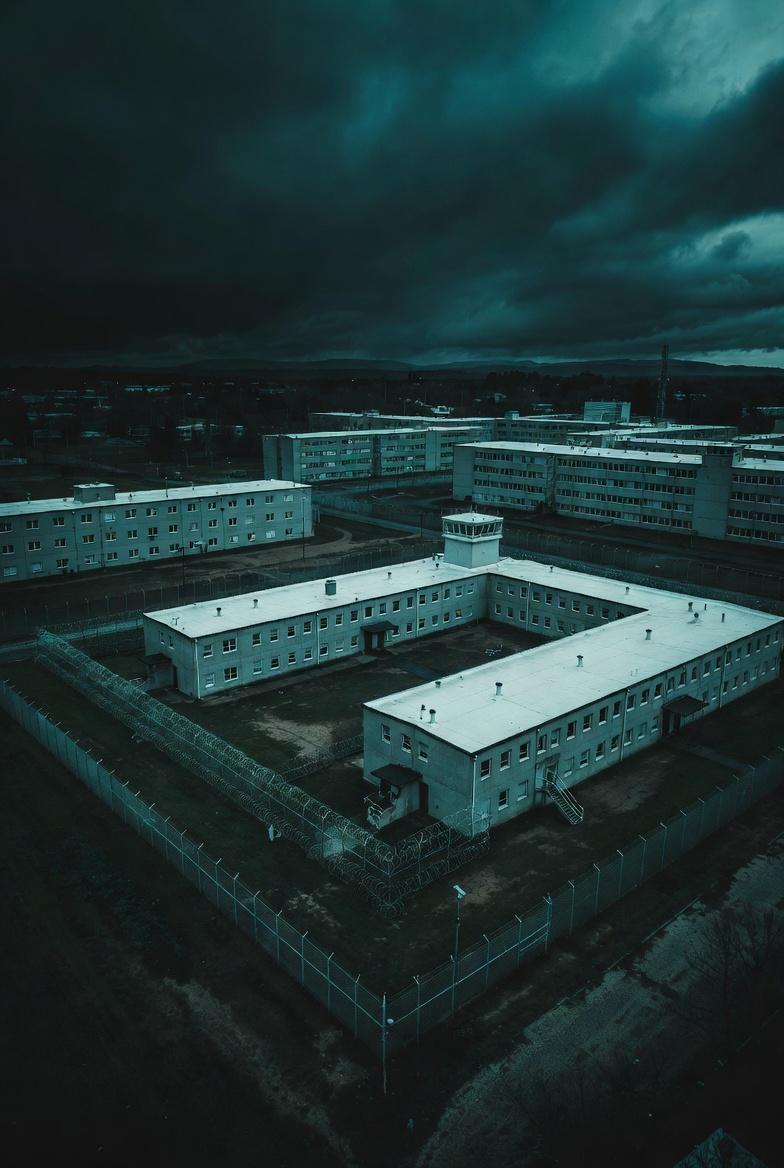
Cabarrus NC Youth Development Center is a medium security juvenile correctional facility located at 1484 Old Charlotte Road Southwest in Concord, Cabarrus County, North Carolina. This state-operated institution falls under the jurisdiction of the North Carolina Department of Corrections and exclusively houses male youth offenders. The facility serves as a commitment center for adjudicated juveniles requiring secure placement within the state's youth development system.
Families seeking information about juveniles detained at Cabarrus NC Youth Development Center can search for residents through the North Carolina Department of Public Safety's online database. The facility provides resources for families to send funds, schedule visits, and maintain contact with detained youth. Understanding visitation procedures and communication guidelines helps families stay connected during a young person's period of commitment.
Cabarrus NC Youth Development Center distinguishes itself within North Carolina's juvenile justice system as a specialized commitment facility designed specifically for male youth offenders requiring medium security placement. Unlike adult correctional facilities or detention centers for pre-adjudication juveniles, this center focuses on rehabilitating committed youth through structured programming tailored to adolescent development. Its location in Concord positions it within the greater Charlotte metropolitan area, allowing families from Cabarrus, Mecklenburg, and surrounding counties easier access for visitation. The facility operates under a youth development model emphasizing accountability, education, and positive behavioral change rather than purely punitive measures.
The resident population at Cabarrus NC Youth Development Center consists entirely of male juveniles who have been adjudicated delinquent and committed to state custody by North Carolina courts. These youth offenders have been found responsible for offenses ranging from property crimes and drug violations to more serious violent offenses requiring secure placement. The facility houses post-adjudication youth rather than pre-trial detainees, meaning all residents have completed court proceedings and received commitment orders. Population demographics typically reflect statewide patterns in juvenile justice involvement, with residents requiring varying levels of intervention based on offense severity, behavioral needs, and rehabilitation potential. The center accommodates youth at different stages of their commitment, from initial placement through transition planning prior to release or transfer.
Youth residents at Cabarrus NC Youth Development Center live in structured housing units designed for secure juvenile populations. Daily routines include scheduled wake times, meals served in dining areas, educational programming during school hours, and structured recreation periods. Housing assignments consider factors including age, behavior level, and program needs. Medical care is provided through on-site health services addressing routine and urgent healthcare needs specific to adolescent populations. Mental health services recognize that many committed youth have experienced trauma or struggle with behavioral health conditions requiring therapeutic intervention. Counseling services and crisis intervention are available to address emotional and psychological needs. Youth have access to a formal grievance process allowing them to report concerns about conditions, treatment, or services. Recreation opportunities include both indoor and outdoor activities appropriate for adolescent physical development. The facility maintains temperature control, sanitation standards, and safety protocols specific to juvenile correctional environments.
Educational programming forms the cornerstone of rehabilitation efforts at Cabarrus NC Youth Development Center, with all school-age residents required to participate in academic instruction. Youth work toward high school diplomas or GED credentials through accredited educational services. Vocational training opportunities introduce residents to employable skills that support successful community reintegration. Substance abuse programming addresses addiction issues affecting many youth in the juvenile justice system, providing age-appropriate treatment and prevention education. Religious services and faith-based programming are available for youth seeking spiritual development during their commitment. Life skills training prepares residents for independent living and responsible decision-making. Re-entry planning begins well before release, connecting youth and families with community resources, educational opportunities, and support services that reduce recidivism risk and promote successful transitions.
Work assignments at Cabarrus NC Youth Development Center teach responsibility and provide skill development opportunities for committed youth. Inside facility jobs include kitchen duties, maintenance assistance, janitorial work, and institutional support roles that keep the center functioning while teaching workplace expectations. These assignments emphasize punctuality, task completion, following instructions, and working cooperatively with others. Youth may progress to positions with greater responsibility based on behavior and demonstrated reliability. Work programs complement educational and vocational training by providing hands-on experience in structured work environments. Participation in work assignments is typically tied to the facility's behavioral management system, with privileges earned through consistent positive conduct.
The specific founding date of Cabarrus NC Youth Development Center is not widely documented in public records, though it operates within North Carolina's established juvenile justice infrastructure that has evolved significantly over recent decades. The facility emerged during a period when the state moved toward specialized youth development centers rather than housing juveniles in adult prisons or large training schools. North Carolina's juvenile justice system underwent substantial reforms in the late twentieth and early twenty-first centuries, emphasizing rehabilitation and age-appropriate programming for young offenders. The Concord location in Cabarrus County provided access to communities across the central Piedmont region. Like other youth development centers statewide, the facility has adapted to changing juvenile justice philosophies, court decisions affecting youth incarceration, and evidence-based practices in adolescent rehabilitation. Today it continues serving as a commitment resource for male youth requiring secure placement within the state system.
Families planning to visit youth at Cabarrus NC Youth Development Center should contact the facility in advance to understand current visitation policies and scheduling procedures. Visitors must typically complete an approval process before being added to a resident's authorized visitor list. Valid government-issued photo identification is required for all adult visitors. Dress codes are strictly enforced, prohibiting clothing that resembles staff uniforms, reveals excessive skin, or contains inappropriate graphics or language. Visitation schedules, duration limits, and the number of simultaneous visitors are regulated by facility policy. Contact visits may be restricted based on security levels and individual resident privileges. Given that policies can change and specific rules may apply to individual cases, families should call ahead to confirm current requirements and avoid disappointment upon arrival.
Correspondence to youth at Cabarrus NC Youth Development Center should be addressed with the resident's full legal name, identification number if known, and the facility's physical address at 1484 Old Charlotte Road Southwest, Concord, NC 28027. All incoming mail is subject to inspection for security purposes. Families should avoid sending prohibited items and understand that correspondence rules for juvenile facilities may differ from adult institutions. Books and educational materials typically must come directly from approved vendors or publishers. Phone contact operates through facility accounts, with youth granted phone privileges according to behavioral level and facility rules. Some juvenile facilities offer electronic messaging systems, though availability varies. Families should verify current communication options and restrictions directly with the facility to maintain appropriate contact during a youth's commitment period.
Sponsored and Powered by our Partner TruthFinder
Quick Facts
Should I Be Concerned? — Family Guide
Cabarrus NC Youth Development Center maintains a medium security classification with zero reported staff assaults, indicating a relatively stable safety environment. The facility prioritizes youth rehabilitation and structured programming. Families should contact the facility directly about current visitation policies and any restrictions, as juvenile detention protocols vary and may require scheduling in advance.
Neighborhood & Getting There
Cabarrus NC Youth Development Center is located in Concord, the Cabarrus County seat in the Piedmont region of North Carolina, approximately 20 miles northeast of Charlotte. The facility sits on Old Charlotte Road Southwest in a semi-rural area with easy highway access via I-85. Concord offers several hotels and motels along the interstate corridor, approximately 20-25 minutes away. The region provides typical Piedmont amenities with shopping and dining options near downtown Concord.